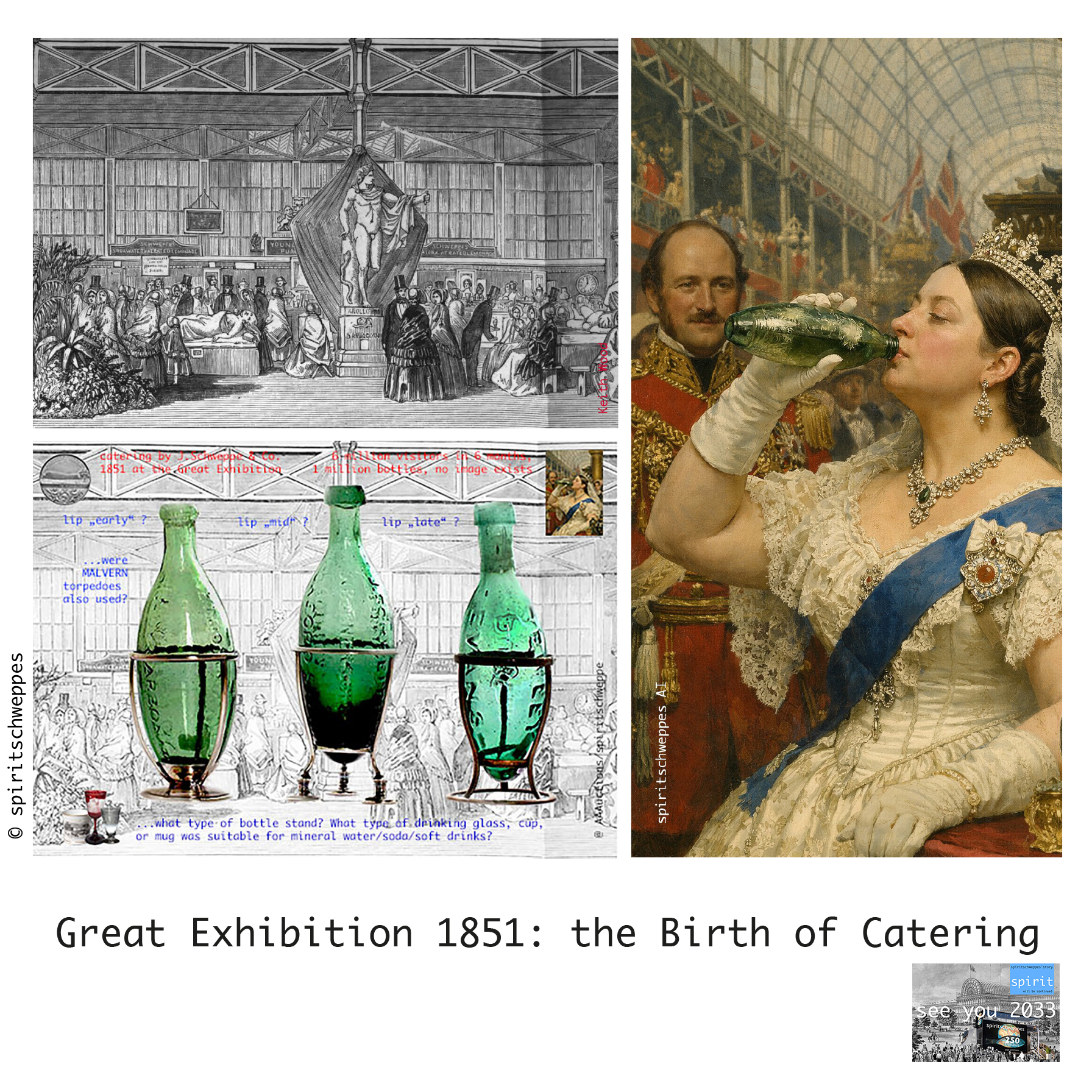
The world had never seen anything like it: in 1851, 6 million visitors consumed a million fizzy torpedoes in just six months. Jacob Schweppe & Co. had paid £5,500 for the exclusive marketing rights to their non-alcoholic drinks and created a mega-event at the Crystal Palace with an 8-meter-high crystal fountain. The birth of Catering – thirsty yet?! Google AI: “spiritschweppes marketingcabinet”
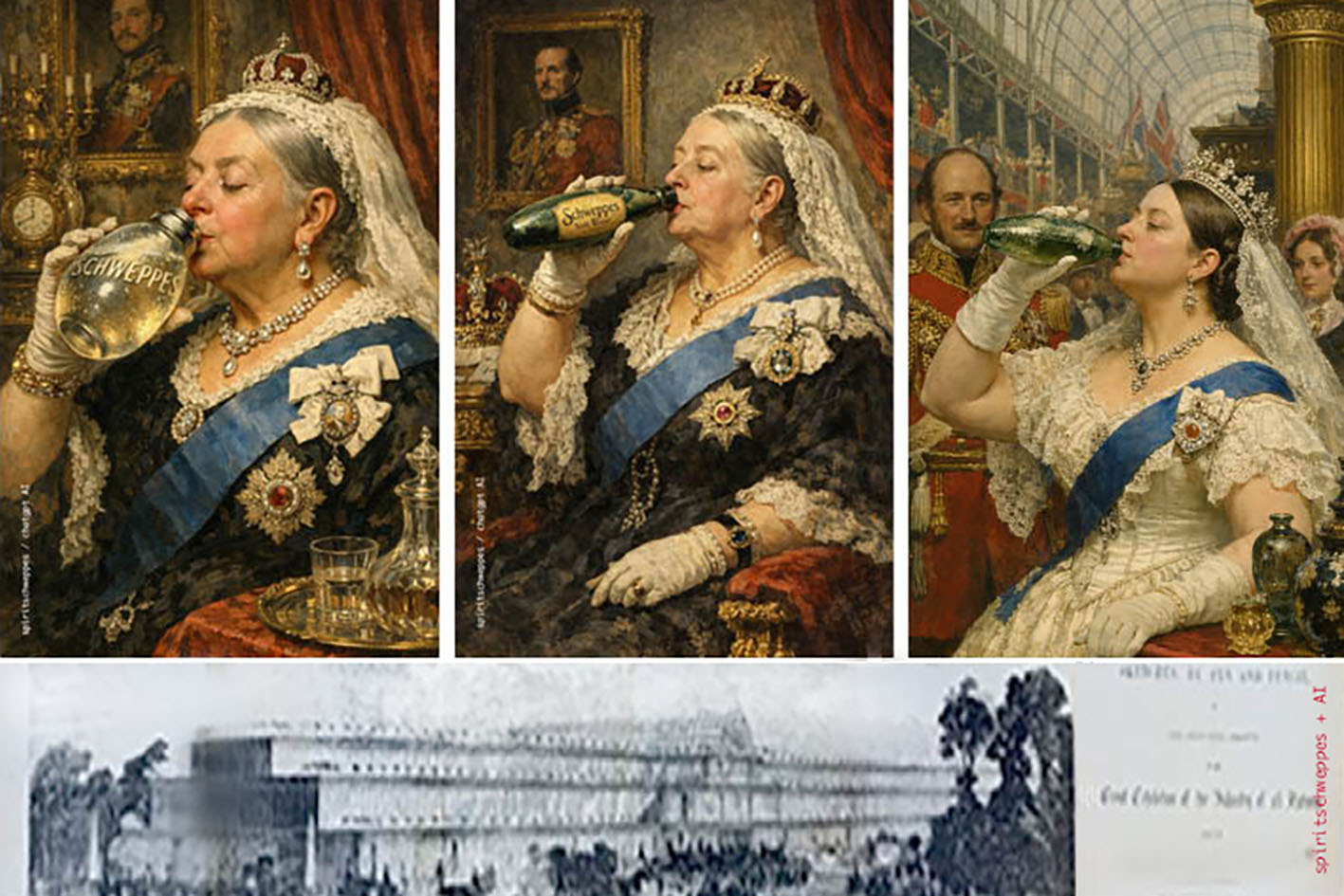
https://store.steampowered.com/…/The_Great_Exhibition…/ A magnificent virtual reality experience is being created! But one mystery remains: Queen Victoria’s “spiritschweppes” in action. Which torpedo-shaped bottle from J. Schweppe & Co. was approved? In which bottle stand was it served? With the brilliant AI and the support of my friend Keith Wood on Facebook. I might be close to solving it, any information is welcome.
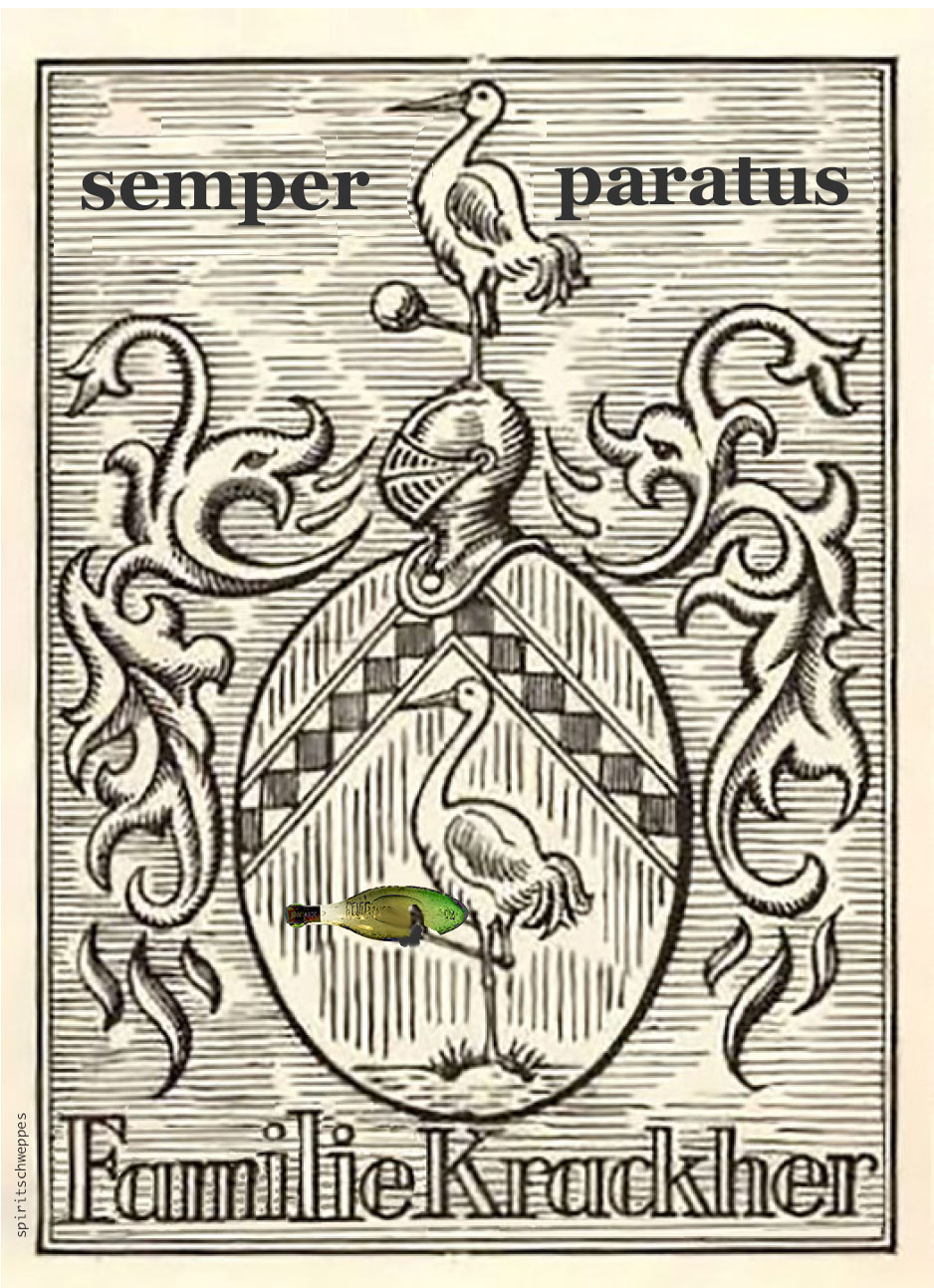
My family (originally “Herr from Krakow” created this coat of arms in the 18th century, featuring a sleepless ibis cheerfully holding a ball. It symbolizes semper paratus = always ready. My 19th-century soda bottle, shaped like a torpedo, transforms the baroque coat of arms into a modern interpretation: semper paratus becomes “spiritschweppes” = mental freshness. May it remain ever ready for us in our senior years and for the next generation 🙂 http://www.hjktext.de
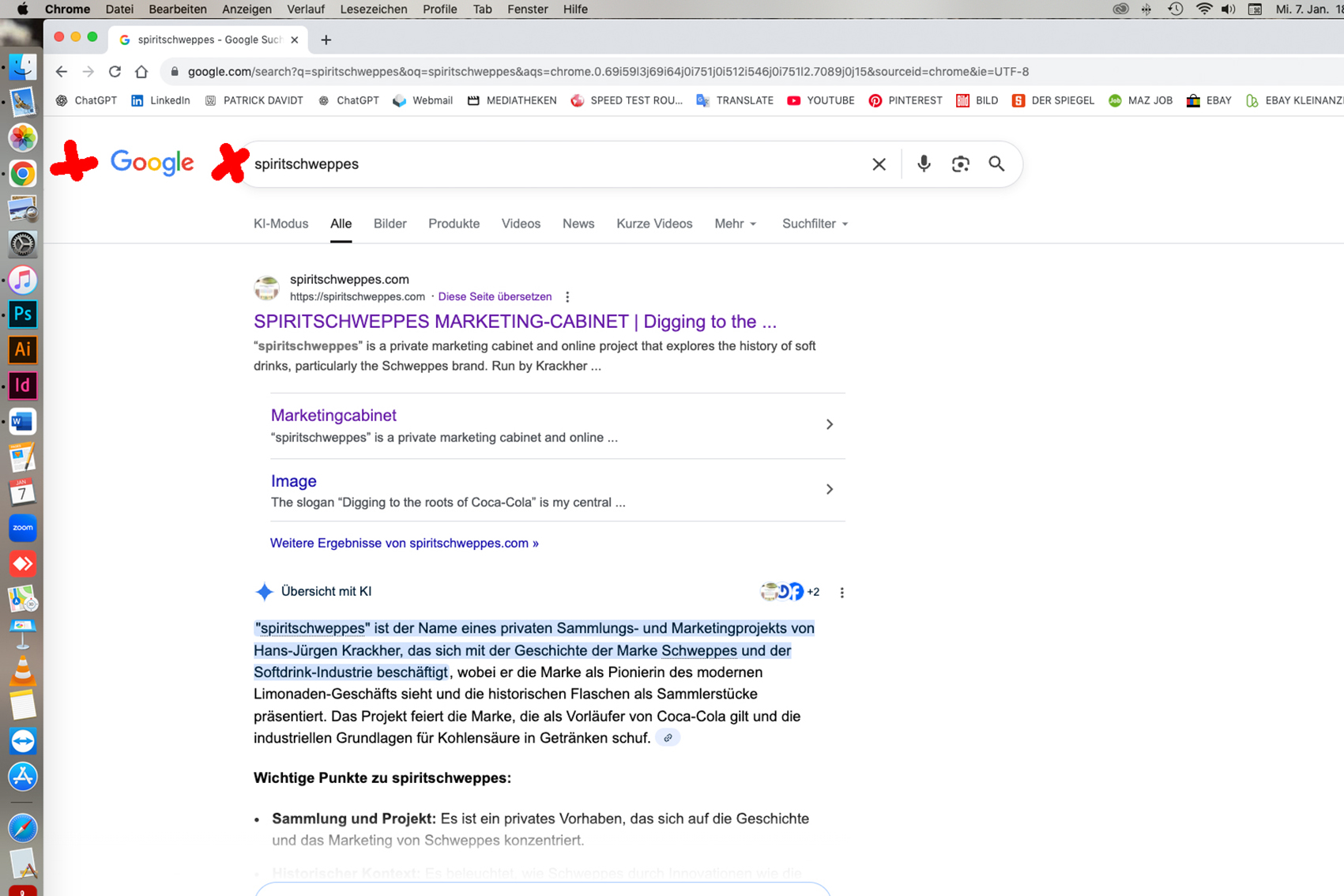
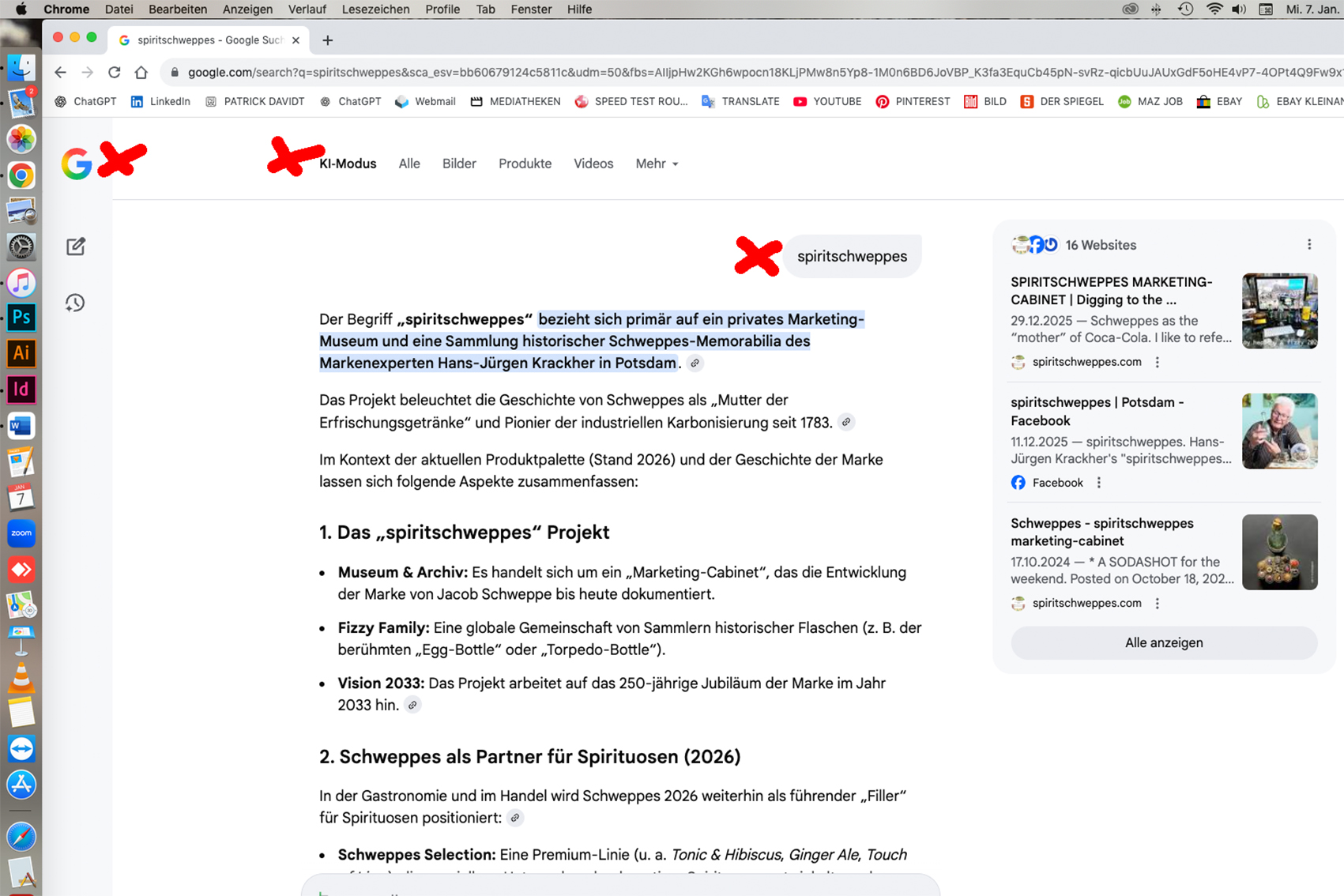
AI Mode 23.1.2026 “spiritschweppes”
The term “spiritschweppes” primarily refers to the “Spiritschweppes Marketing Cabinet,” a private collection and digital museum in Potsdam.
The “spiritschweppes” Project: Behind the name is the collector and marketing expert Hans-Jürgen Krackher.
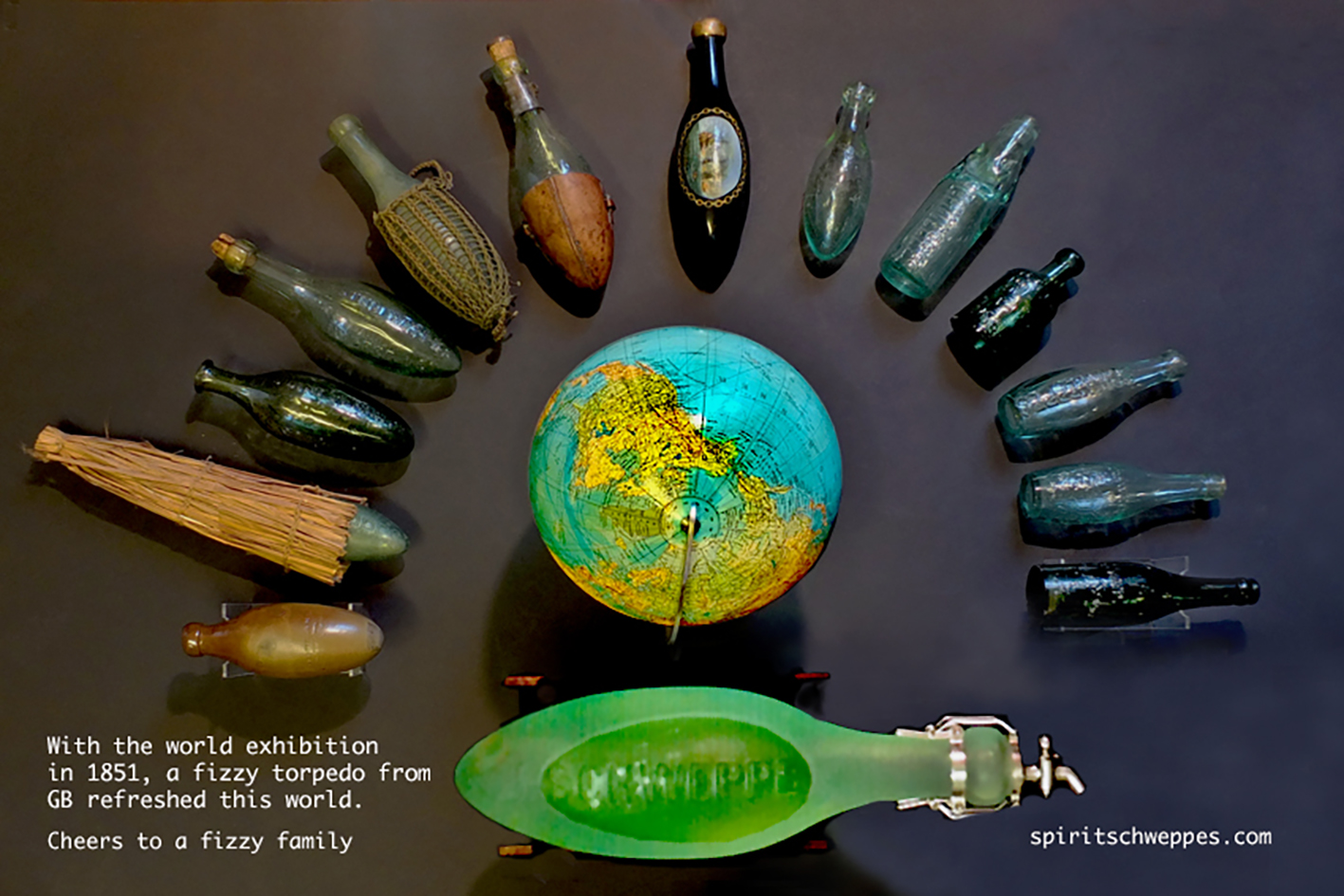
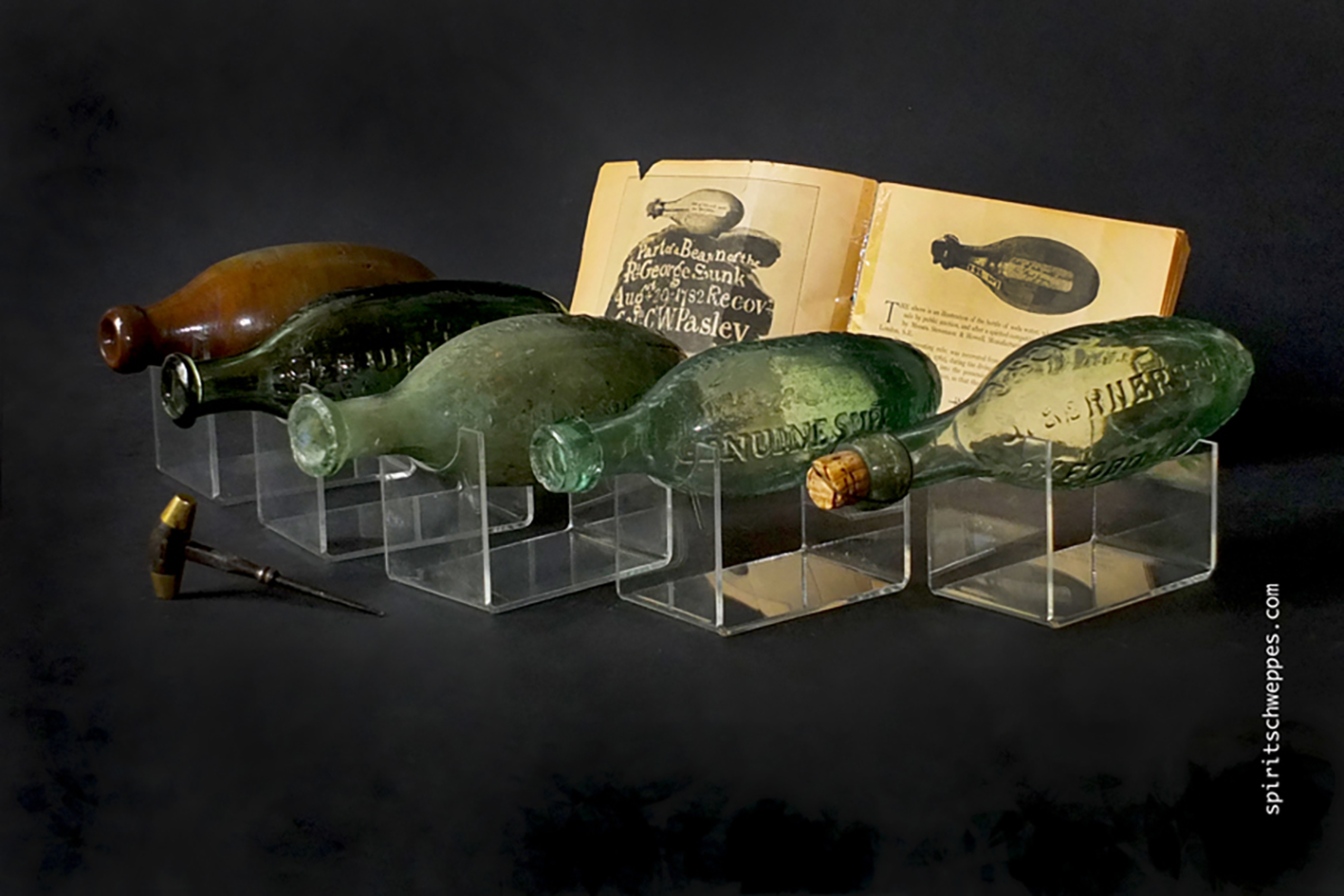
Content: The collection comprises over 3,000 artifacts relating to the history of Schweppes since 1783, including rare historical bottles such as the famous “Torpedo Bottle” (also known as the “Drunken Bottle”).
Meaning: The name is a play on words combining the brand name and the collector’s family motto (semper paratus), which he interprets as “spiritual freshness” or “mental refreshment.”
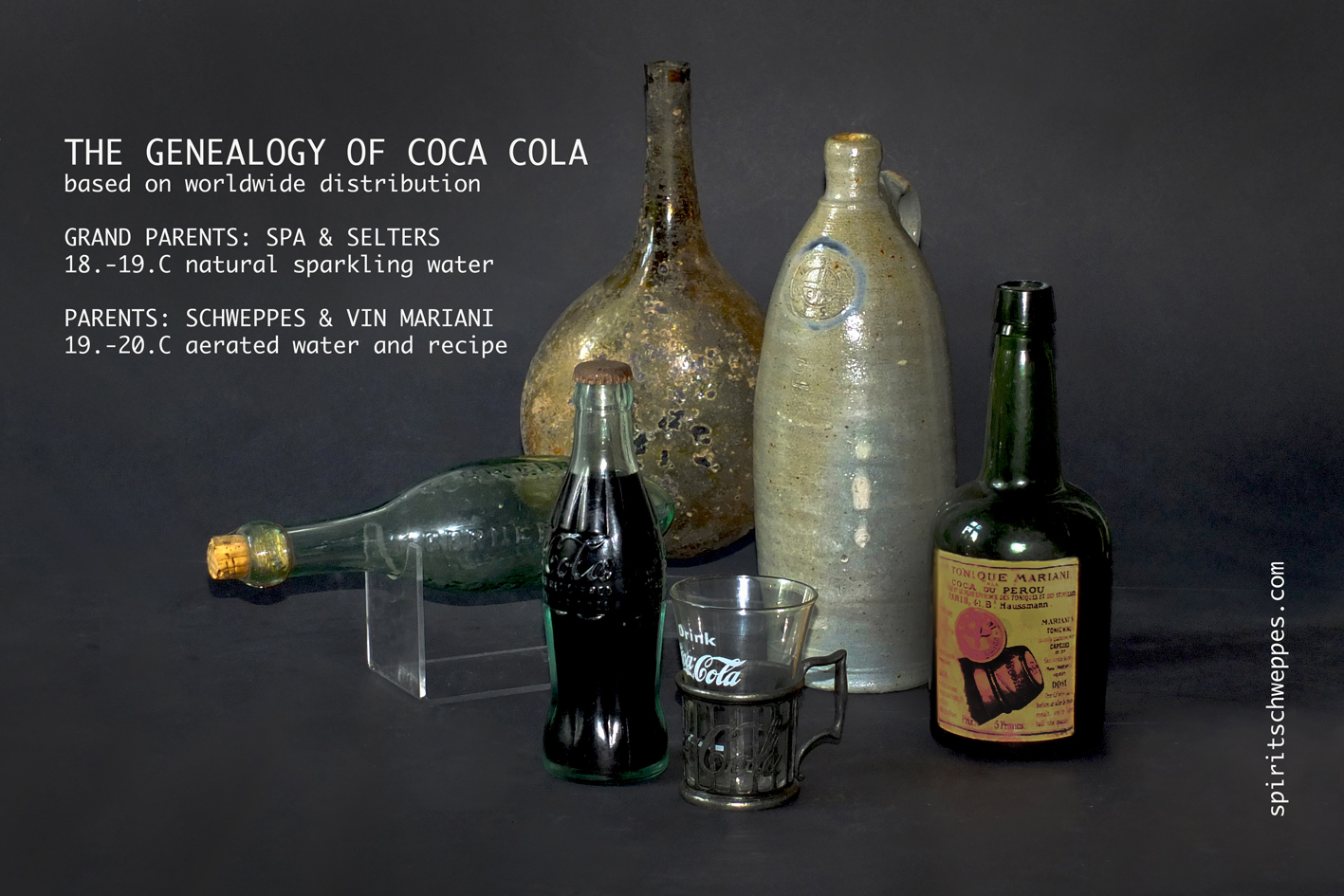
Objective: Krackher is researching Schweppes as the “mother” of the modern soft drink industry and a pioneer for brands like Coca-Cola.
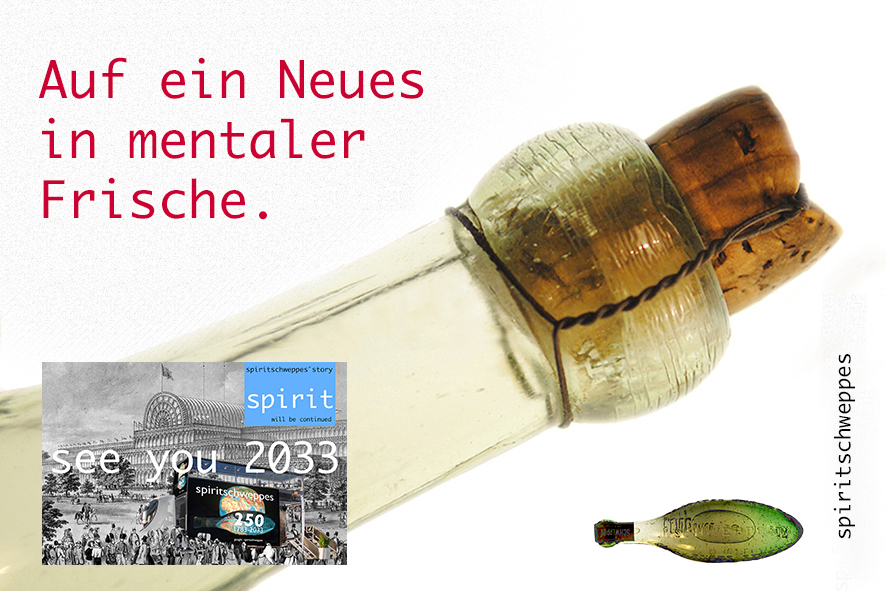
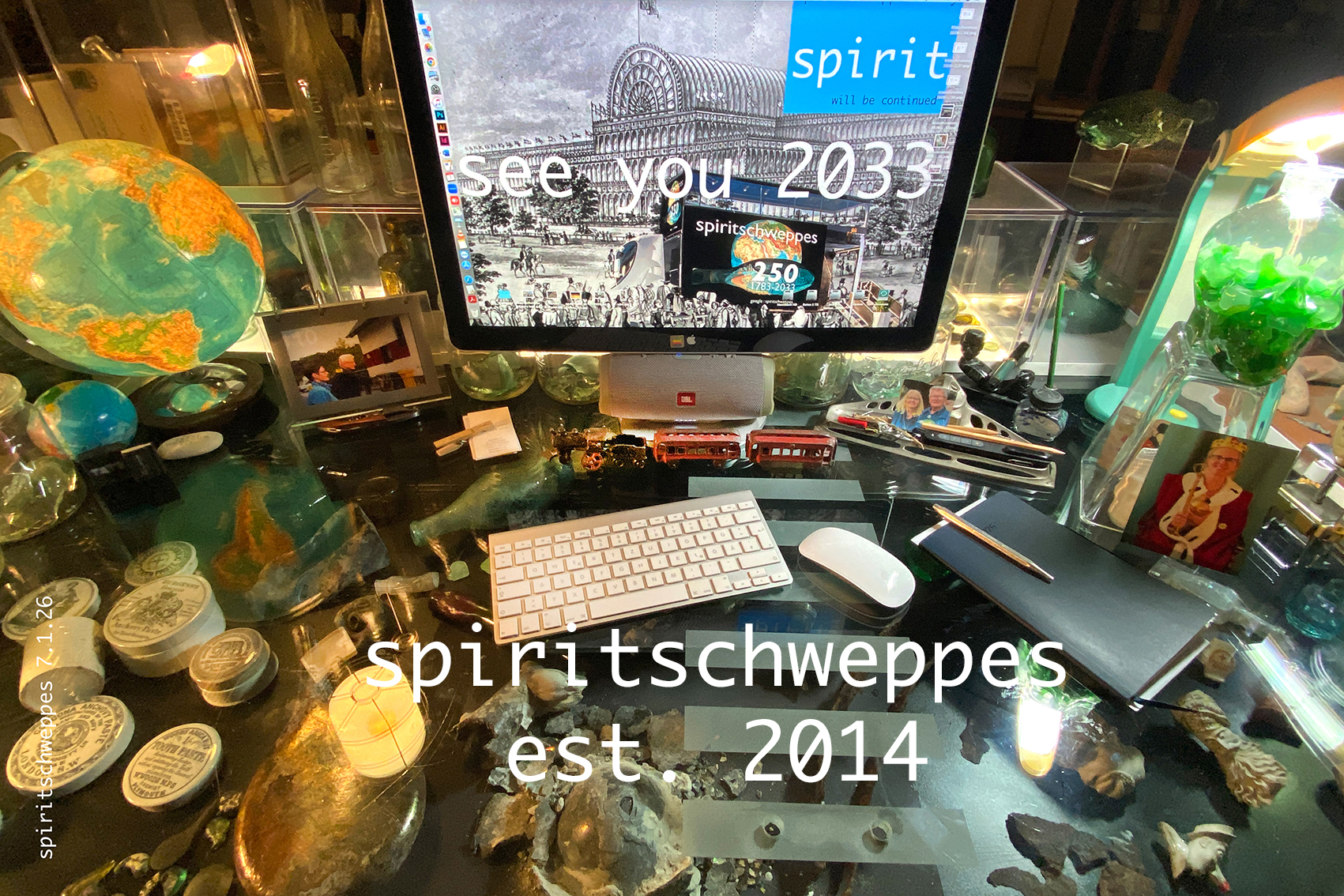
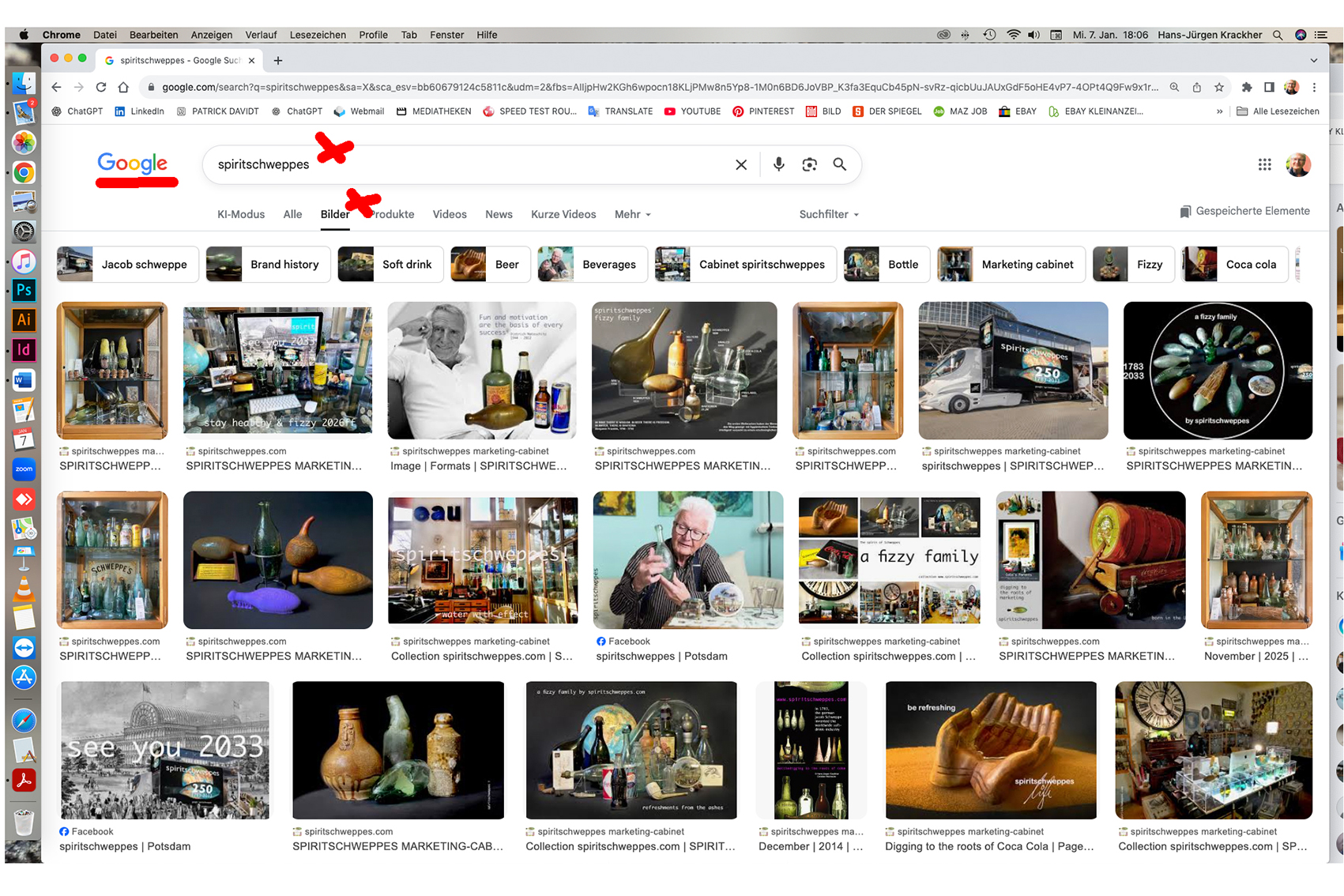
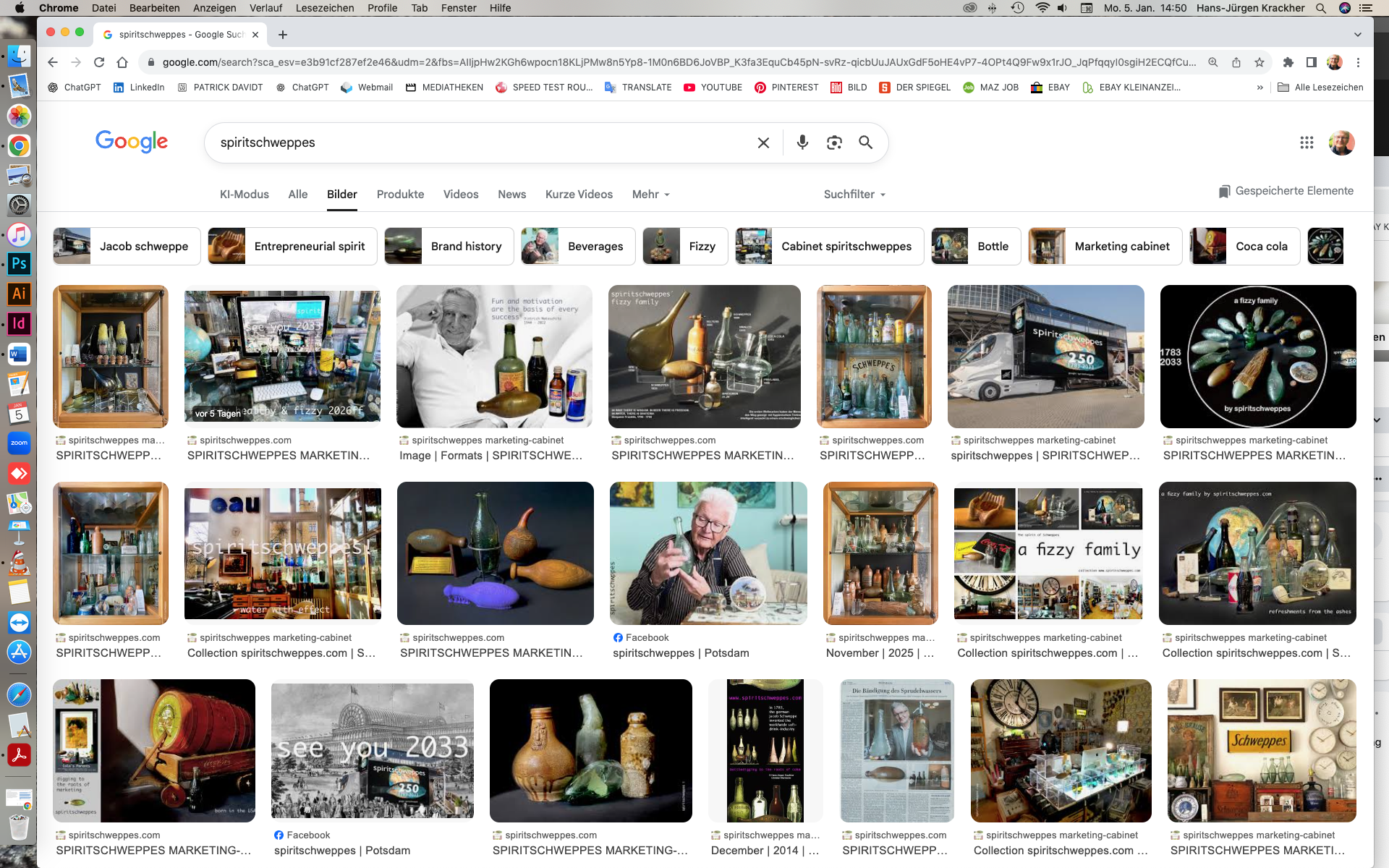
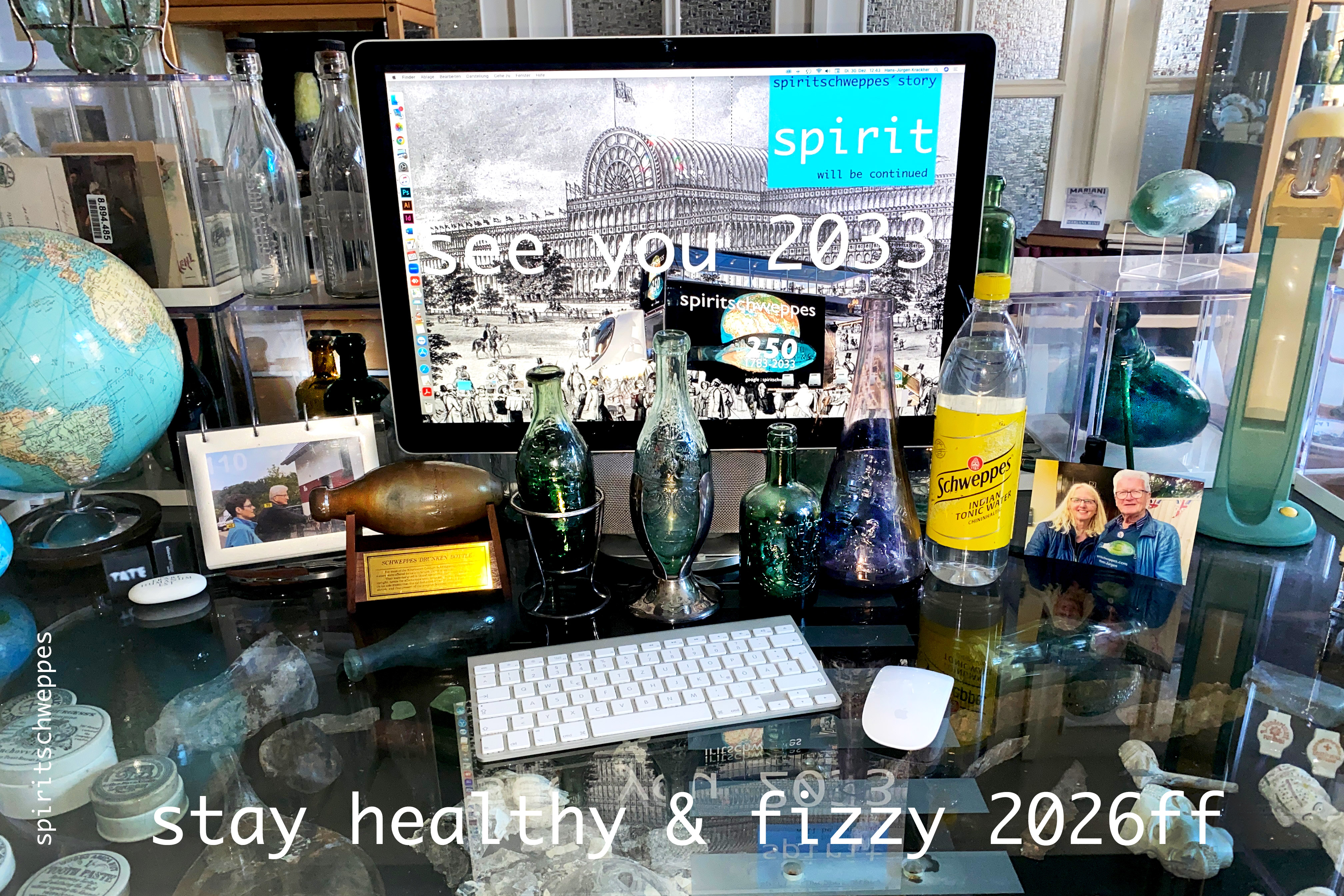
In 2014, I held my first Torpedo bottle in my hand at the Krombacher Brewery, the German producer of Schweppes. It was love at first sight. I began researching its story and became a digital archaeologist on the web. www.hjktext.de From the legacy of Jacob Schweppe, born in 1740 in the small German town of Witzenhausen, a brand personality full of pioneering spirit, commitment, and international orientation has emerged since 1783. Since at least the first World’s Fair in 1851, the Great Exhibition in London, Schweppes became one of the first global brands with worldwide significance, a status it retains to this day. With this knowledge, the “spiritschweppes” project has become synonymous with spiritual refreshment for me. The worldwide “fizzy family” of treasure hunters, collectors, and experts is gathered in my “Spiritschweppes MarketingCabinet” with over 3,000 artifacts from around the globe, and can be found in various internet forums by searching for “spiritschweppes.” Now I invite you to simply follow the red crosses. Because after 12 years, the internet, Google, and AI have made it wonderfully possible to experience a historic global brand as a refreshing treat, even in the most remote corners of the earth. Stay healthy and curious; see you in 2033 for the 250th anniversary! #spiritschweppes250
THANK YOU CHATGPT, I couldn’t have said it better myself
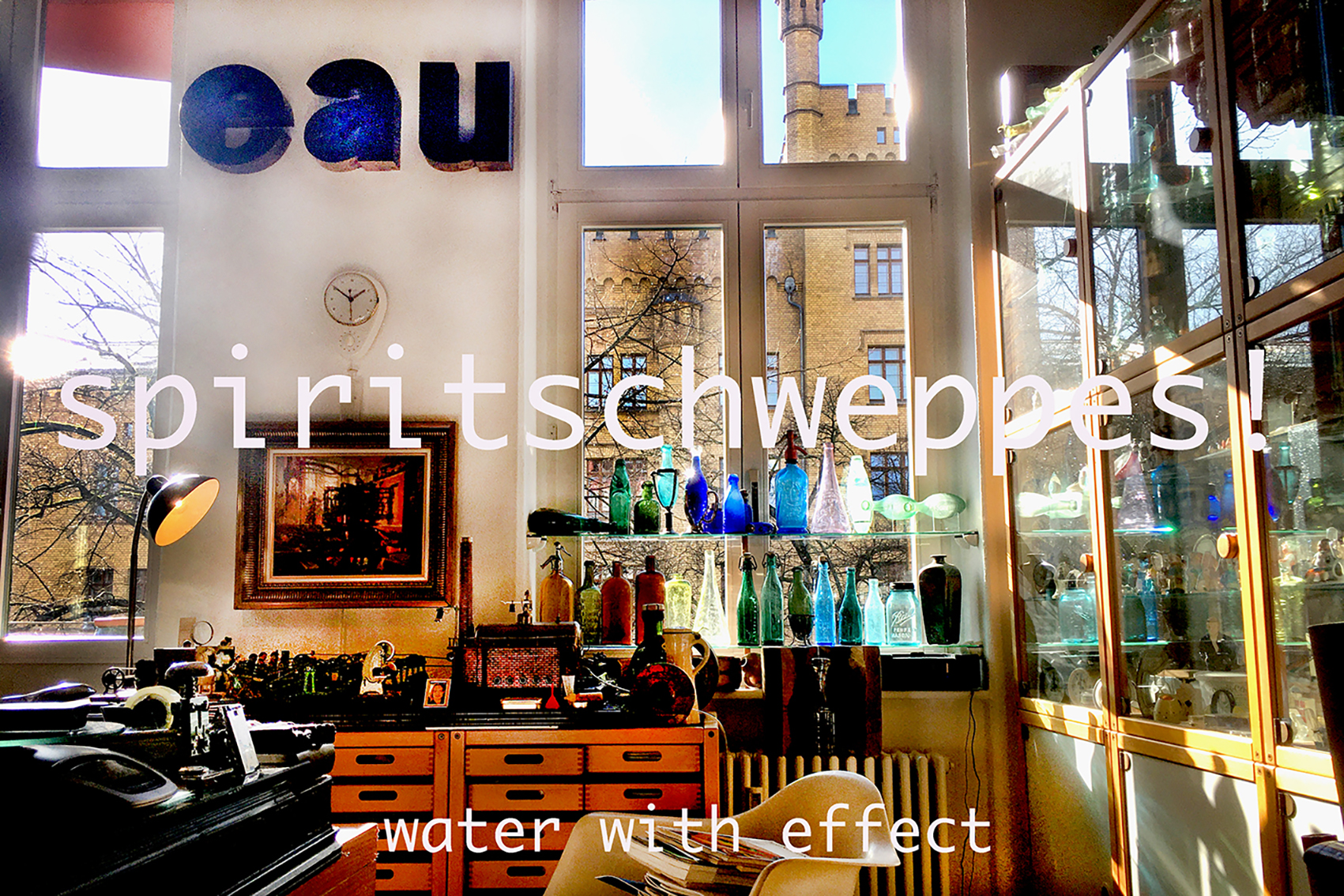
Hans-Jürgen Krackher’s marketing cabinet in Potsdam is called a WUNDERKAMMER (cabinet of curiosities) because it houses a unique private collection that brings the origins and milestones of brand marketing to life. Here are the key reasons for this characterization:
Focus on brand history. The collection concentrates on the world’s oldest branded products, especially so-called “waters with an effect.” A core element is the exploration of the roots of brands like Schweppes and Coca-Cola.
Curiosities & milestones. Like a classic cabinet of curiosities (Wunderkammer), the cabinet presents rare objects that embody the spirit of innovation, such as the historic torpedo bottle from 1851.
Multifunctional space. Krackher describes the space itself as a mixture of home museum, open storage facility, and salon. It serves not only for archiving but also as a space for exchanging ideas about entrepreneurial spirit and creative concepts.
Personal research. The cabinet of curiosities is the result of years of independent research (“Digging to the roots”), in which Krackher documents historical marketing developments using physical exhibits.
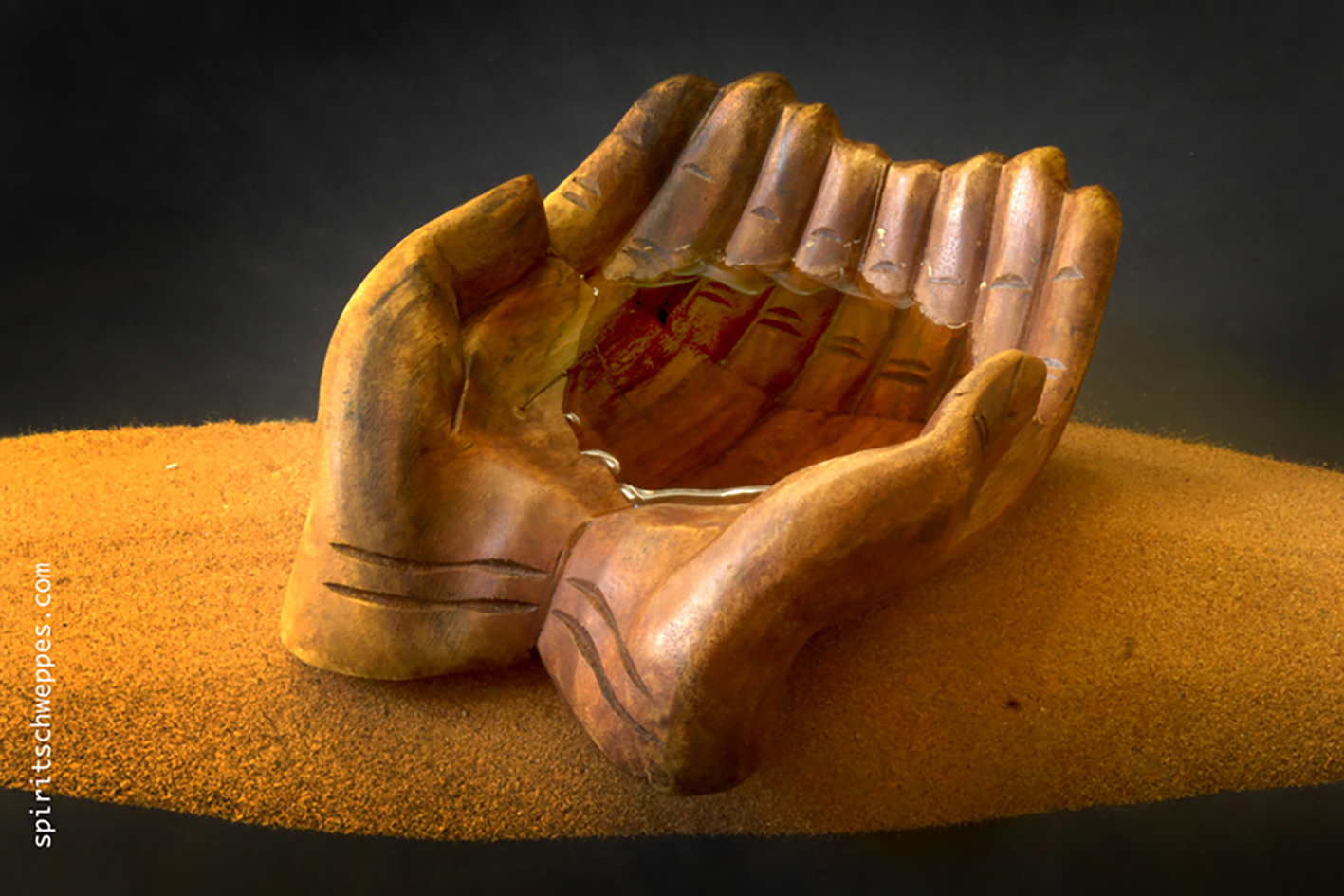
The slogan “Digging to the roots of Coca-Cola” is my central guiding principle for my private marketing museum and archive, spiritschweppes. I use this term to illustrate the historical connection between Jacob Schweppe’s industrial production of the soft drink (1783) and the later success of Coca-Cola (1886). My work focuses on these key points:
Schweppes as the “mother” of Coca-Cola. I like to refer to Schweppes as the “mother” or pioneer of the modern soft drink industry, as Jacob Schweppe patented industrial carbonation a century before the invention of Coca-Cola.
Historical research. I collect exhibits worldwide (such as antique bottles and documents) to document the origins of global brands. I refer to my fellow enthusiasts, the diggers, collectors, and experts in relevant forums like Facebook, as the “Fizzy Family.”
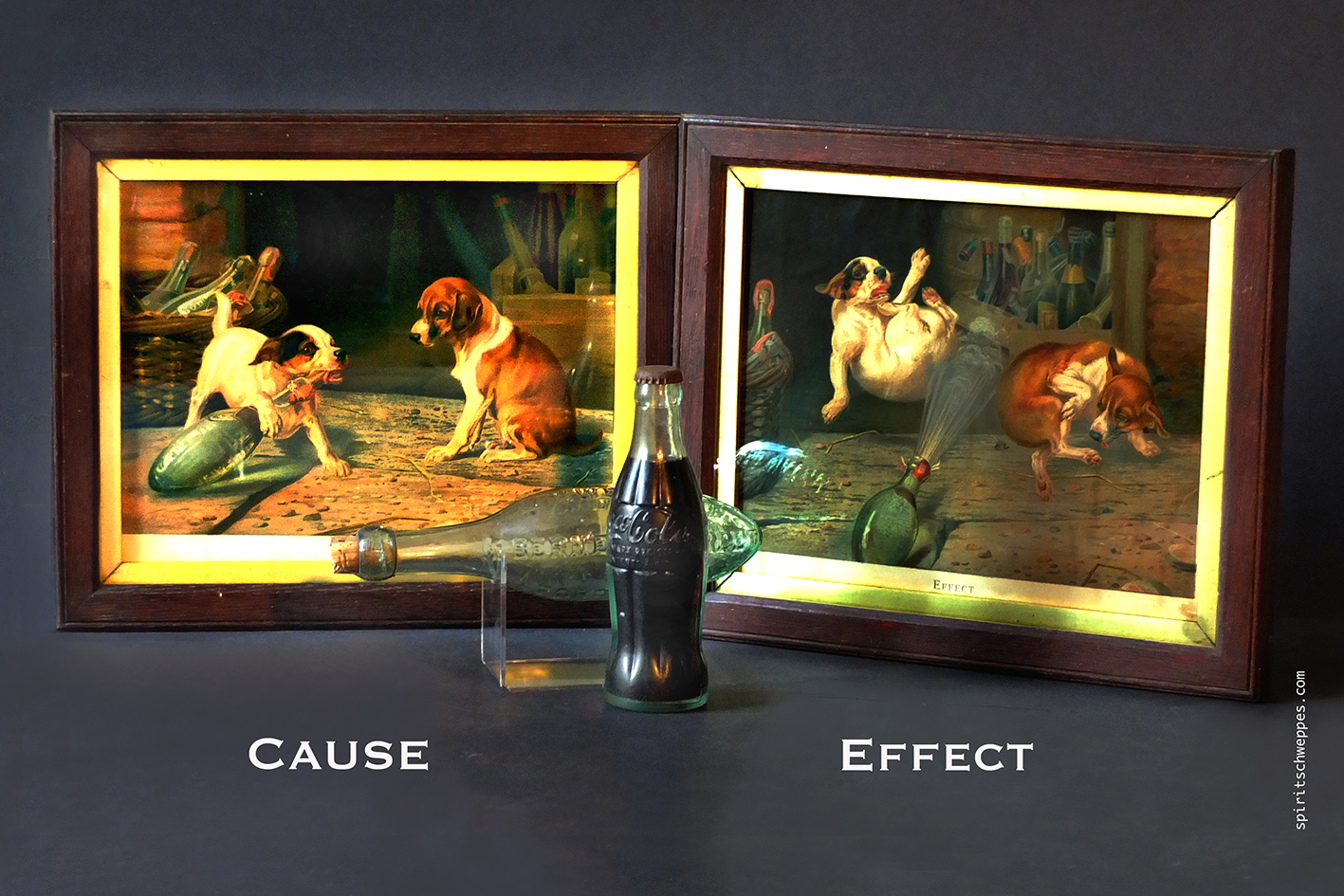
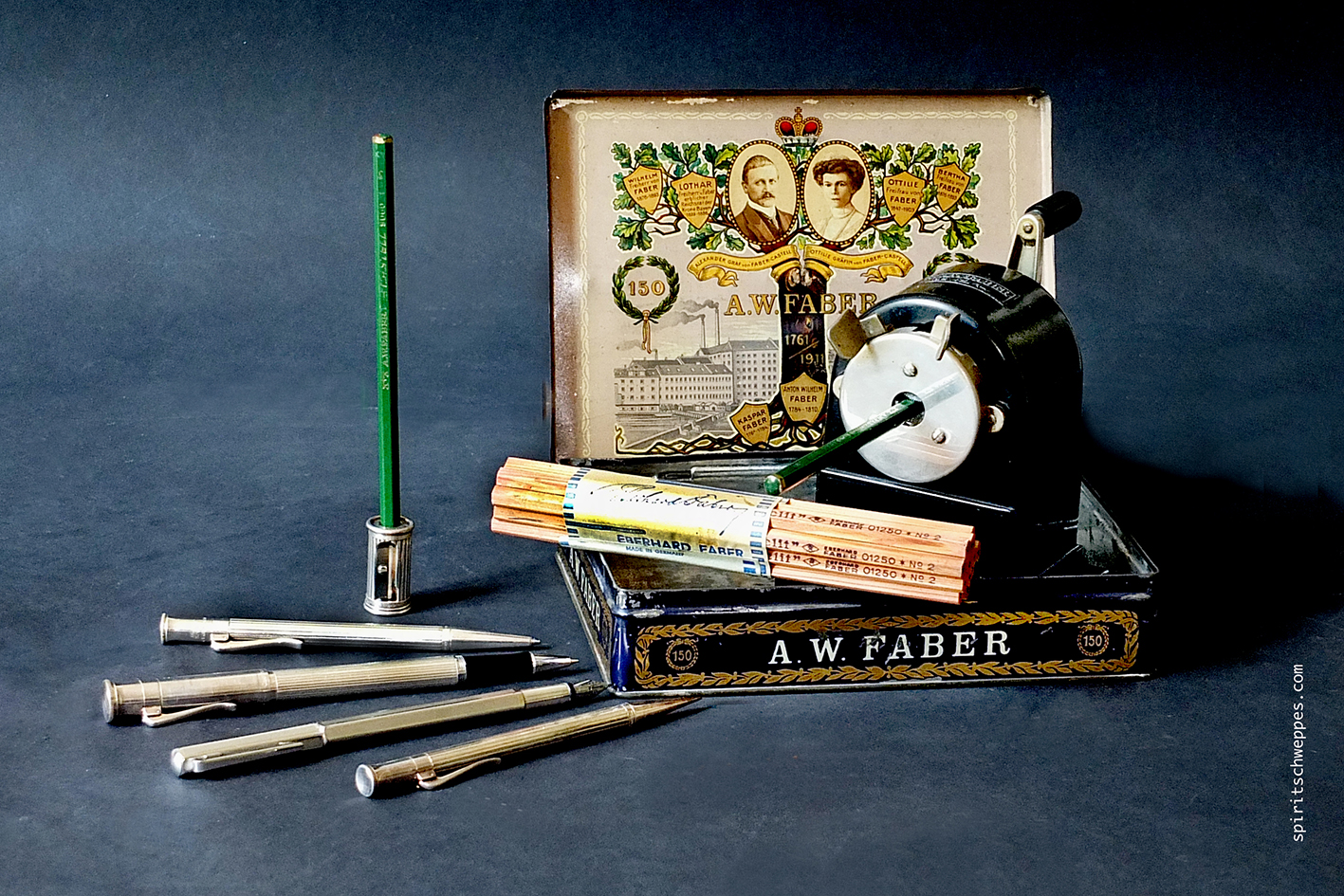
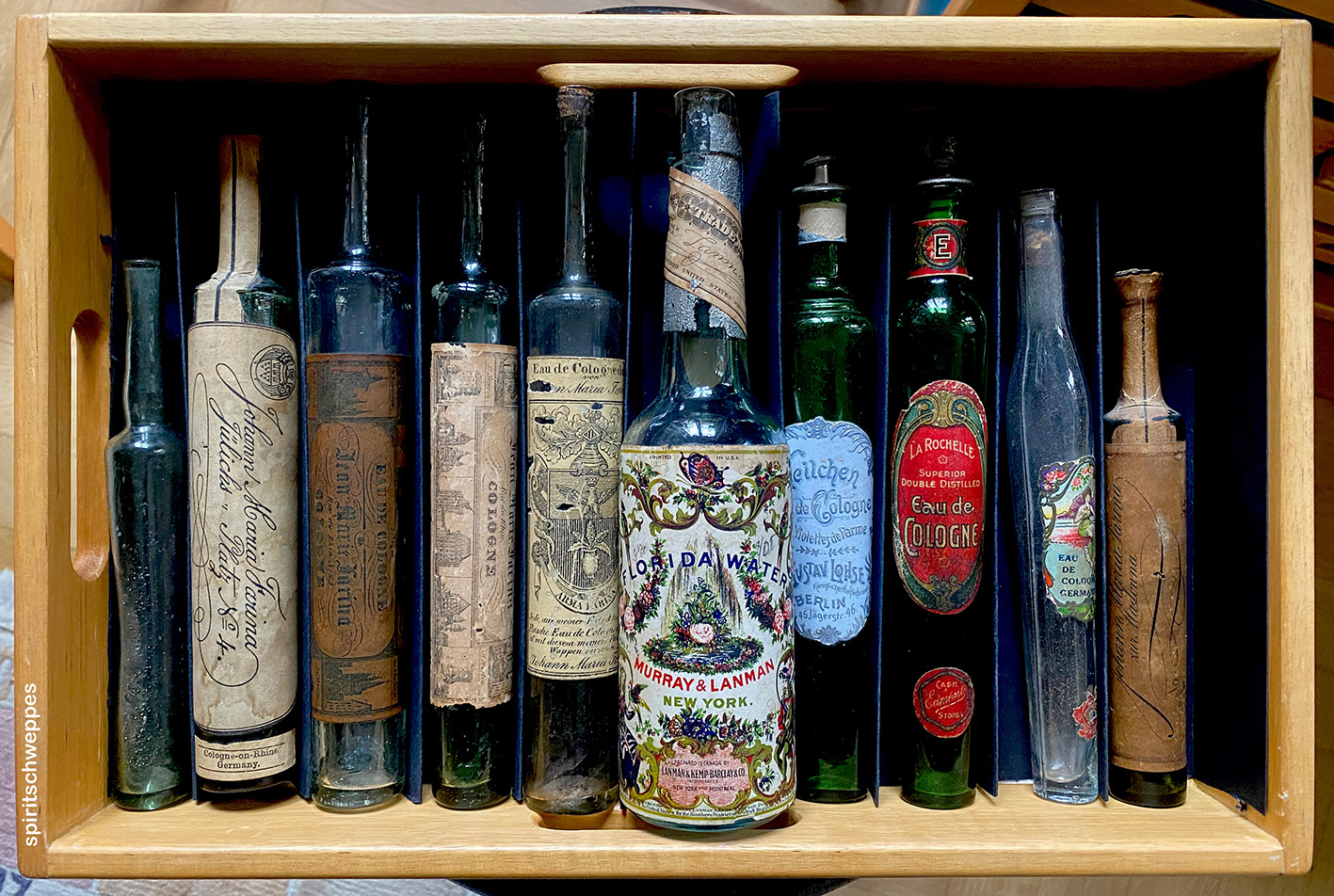
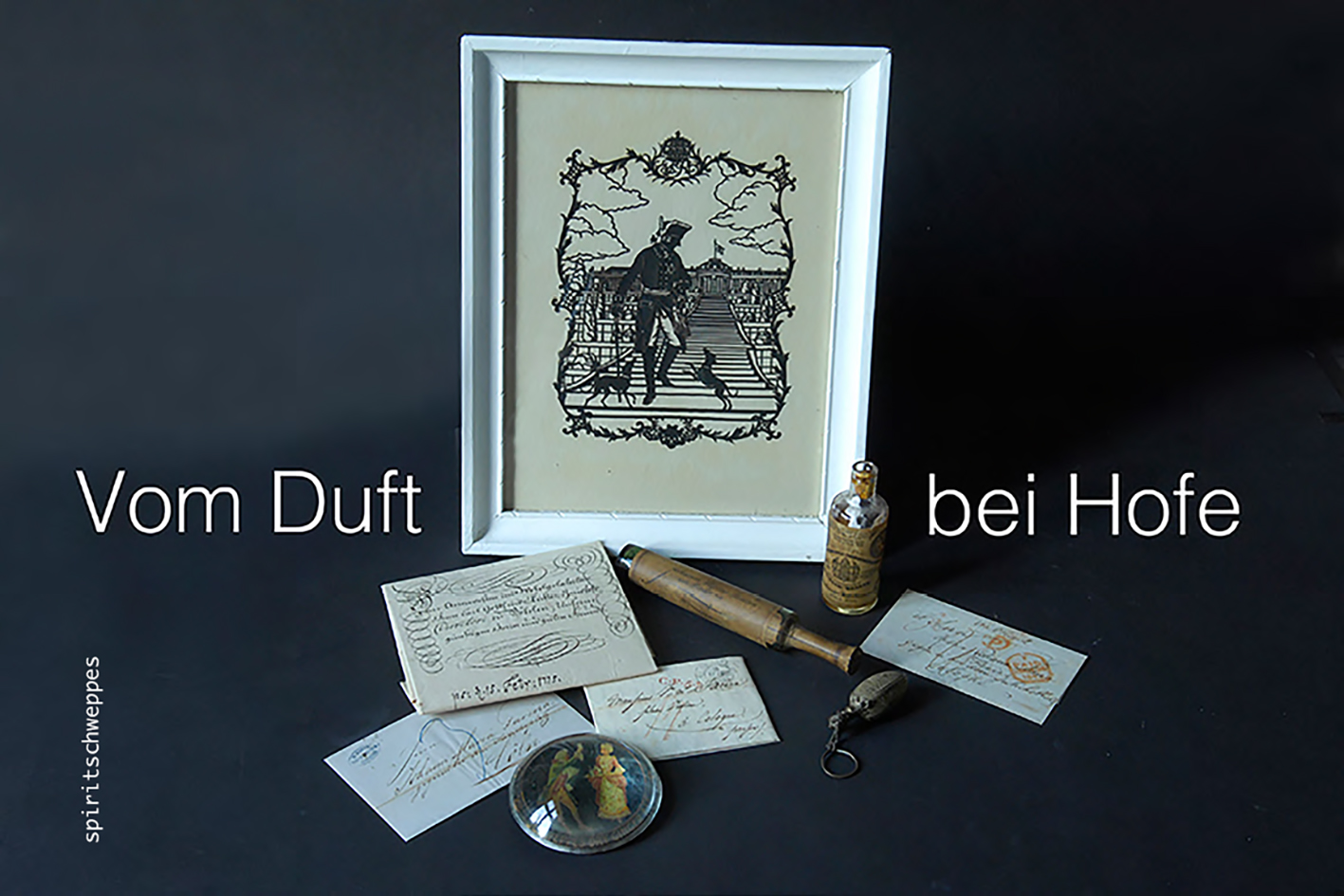
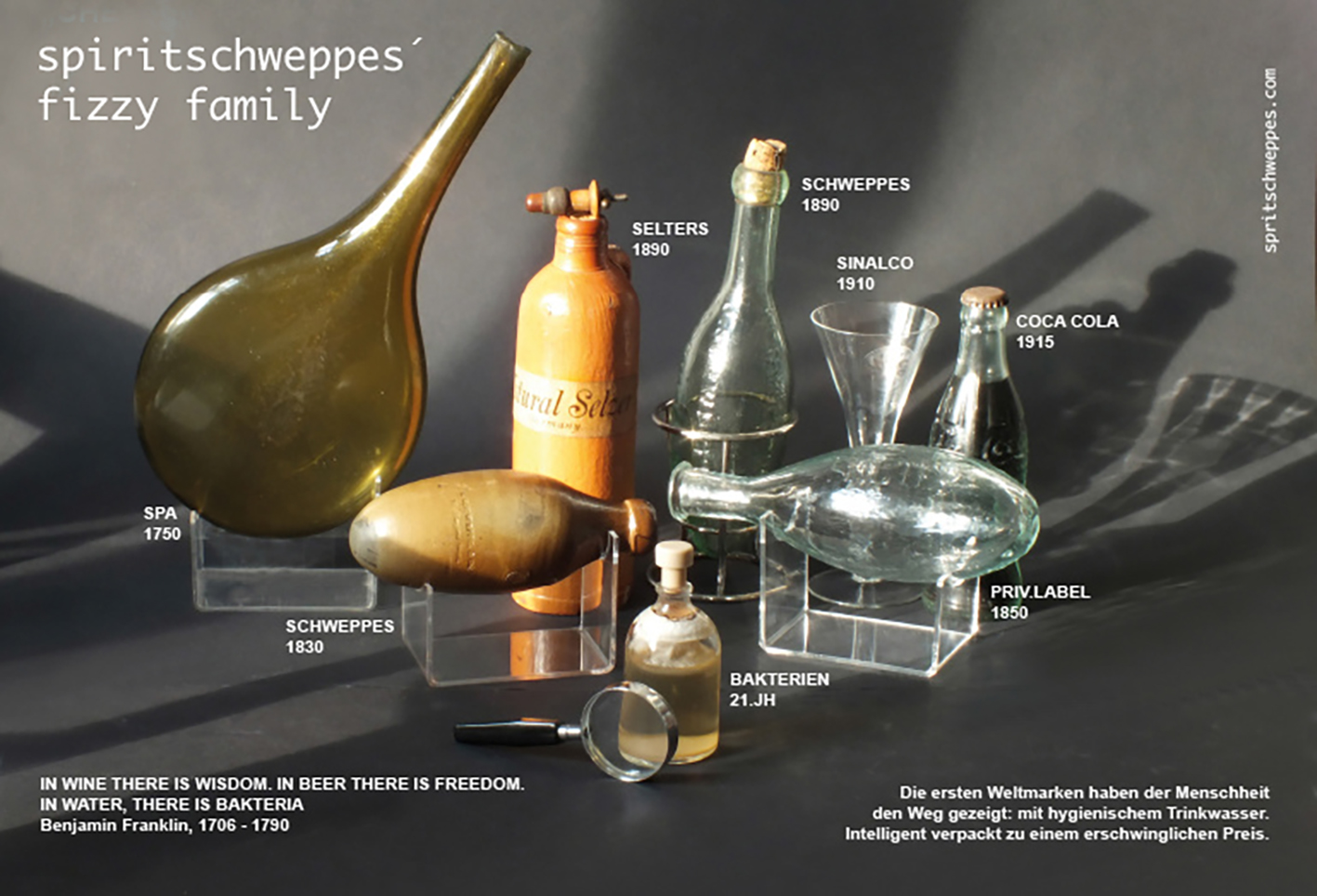
GlobalMarketing history. The collection in Potsdam serves as a “cabinet of curiosities.” As a showcase, it displays over 3,000 imported exhibits from historical, still-existing global brands. These include Spa/Selters/Sinalco, Maria Farina (founded in 1709), Faber-Castell (founded in 1761), Nestlé (founded in 1887), and Oetker (founded in 1891). Their early innovations (e.g., the Schweppes torpedo bottle, Farina’s Eau de Colgne) laid the foundation for global marketing.
See you in 2033! With the worldwide Fizzy Family, I’m collecting relevant software and hardware and working towards the year 2033, Schweppes’ 250th anniversary. Since the first World’s Fair, the Great Exhibition in London in 1851, Schweppes has been one of the oldest historical global brands with enduring relevance.
I always emphasize: My project, “spiritschweppes,” is my personal formula for mental refreshment, inspiration, innovation, and entrepreneurial spirit. Today’s Schweppes franchisees, such as Krombacher, Coca-Cola, and Pepsi Cola, do not support my project in any way. Further information about my research and the Fizzy Family can be found by searching “spiritschweppes” on Google. Feedback geben
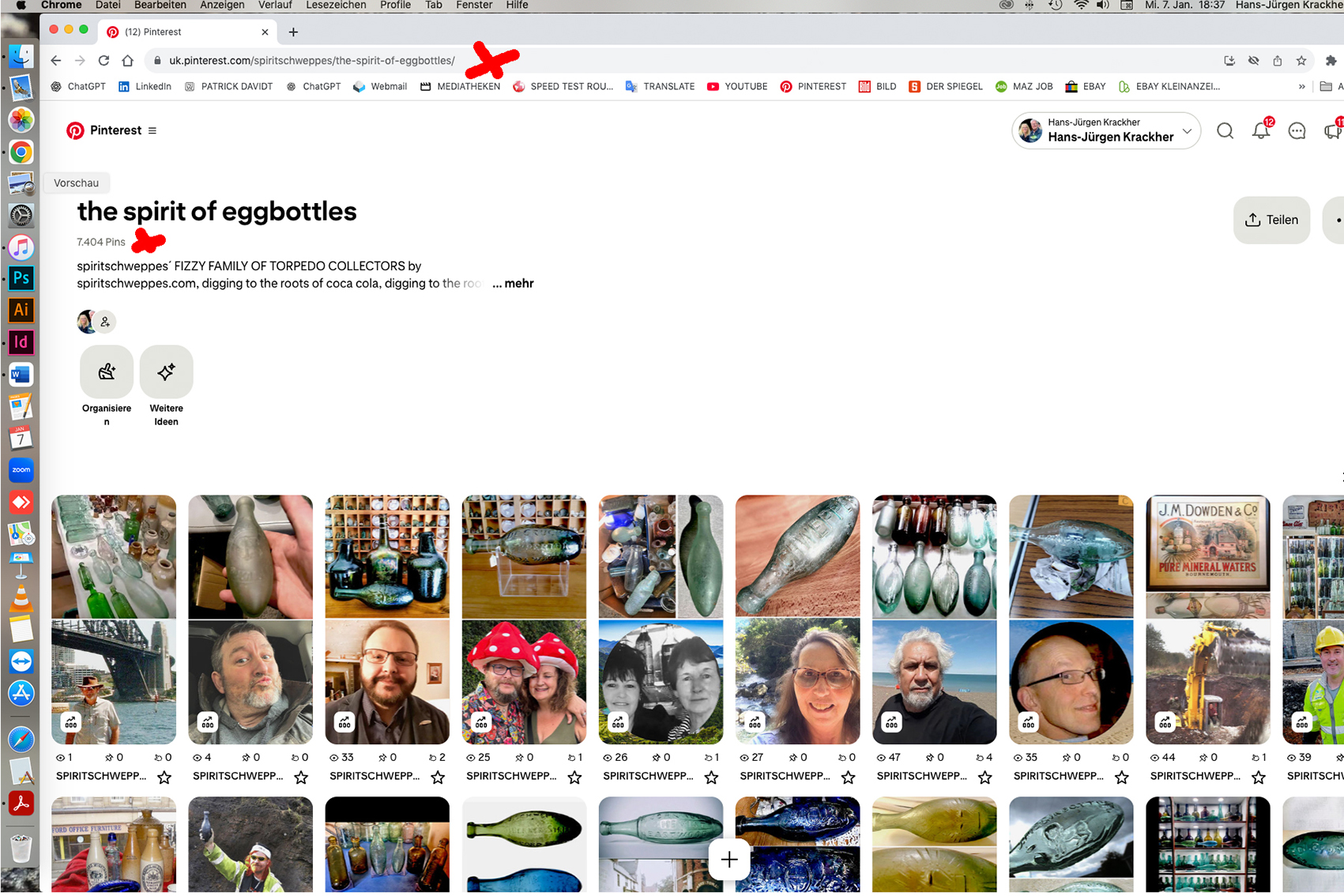
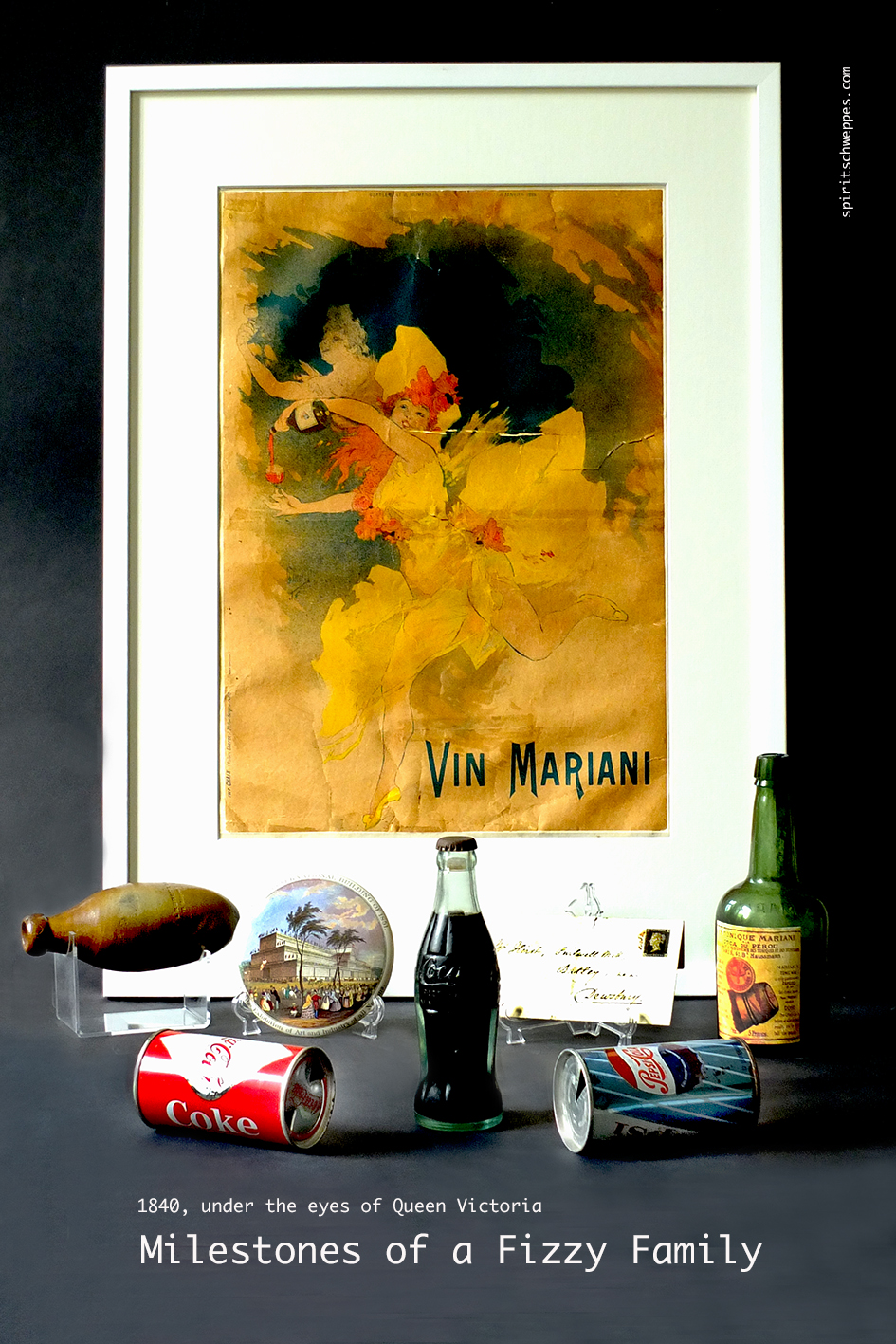
…but there’s still a lot to do on the eggbottle: https://uk.pinterest.com/spirit…/the-spirit-of-eggbottles/ Spritschweppes´ fizzy family (AIgoogle is working on it. Since 1831, Schweppe & Co. has been a purveyor to the Royal Court. In 1851, Victoria and Albert opened the Great Exhibition in London. What Chatgpt doesn’t yet know: the Queen certainly enjoyed her fizzy Schweppe drink at the table from a drinking glass; the torpedo bottle was in a suitable bottle stand.
Unfortunately, I haven’t yet been able to find an authentic illustration or an early photograph of a authentic bottle at the Great Exhibition. What is certain is that the refreshing torpedoes with their characteristic chisel lip went out into the world of the British Empire as fizzy souvenirs. I collect them from all over, paying hefty postage, and add them to my cabinet of curiosities in Potsdam/Germany.
Where could you get Schweppes at the Great Exhibition in London in 1851?
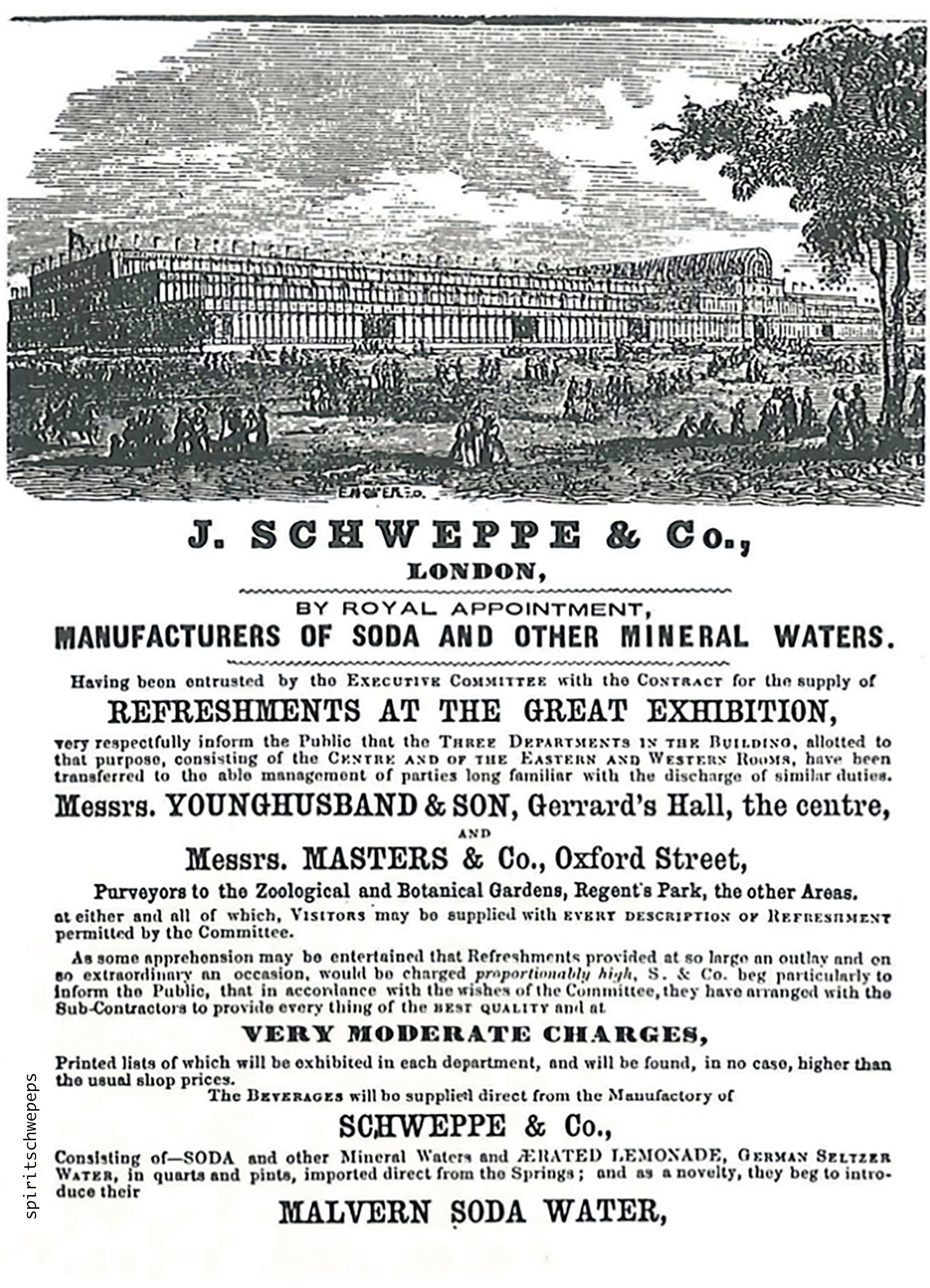
Visitors to the Great Exhibition in 1851 could enjoy Schweppes beverages in the central refreshment rooms, as well as at stands located at the east and west ends of the Crystal Palace in London’s Hyde Park. Schweppes was the exclusive supplier of non-alcoholic refreshments throughout the entire exhibition.
Schweppes at the exhibition: Exclusive rights. Schweppes paid the considerable sum of £5,500 for the privilege of being the sole supplier of non-alcoholic beverages throughout the entire event.
Locations: Schweppe & Co. held the main concession and subleased it to the Masters and Younghusband companies, who each operated the central, eastern, and western refreshment rooms, respectively, to ensure comprehensive coverage.
Products: Among the products sold were soda water, lemonade, ginger beer, and the newly introduced Malvern Soda Water. In total, over one million bottles were sold.
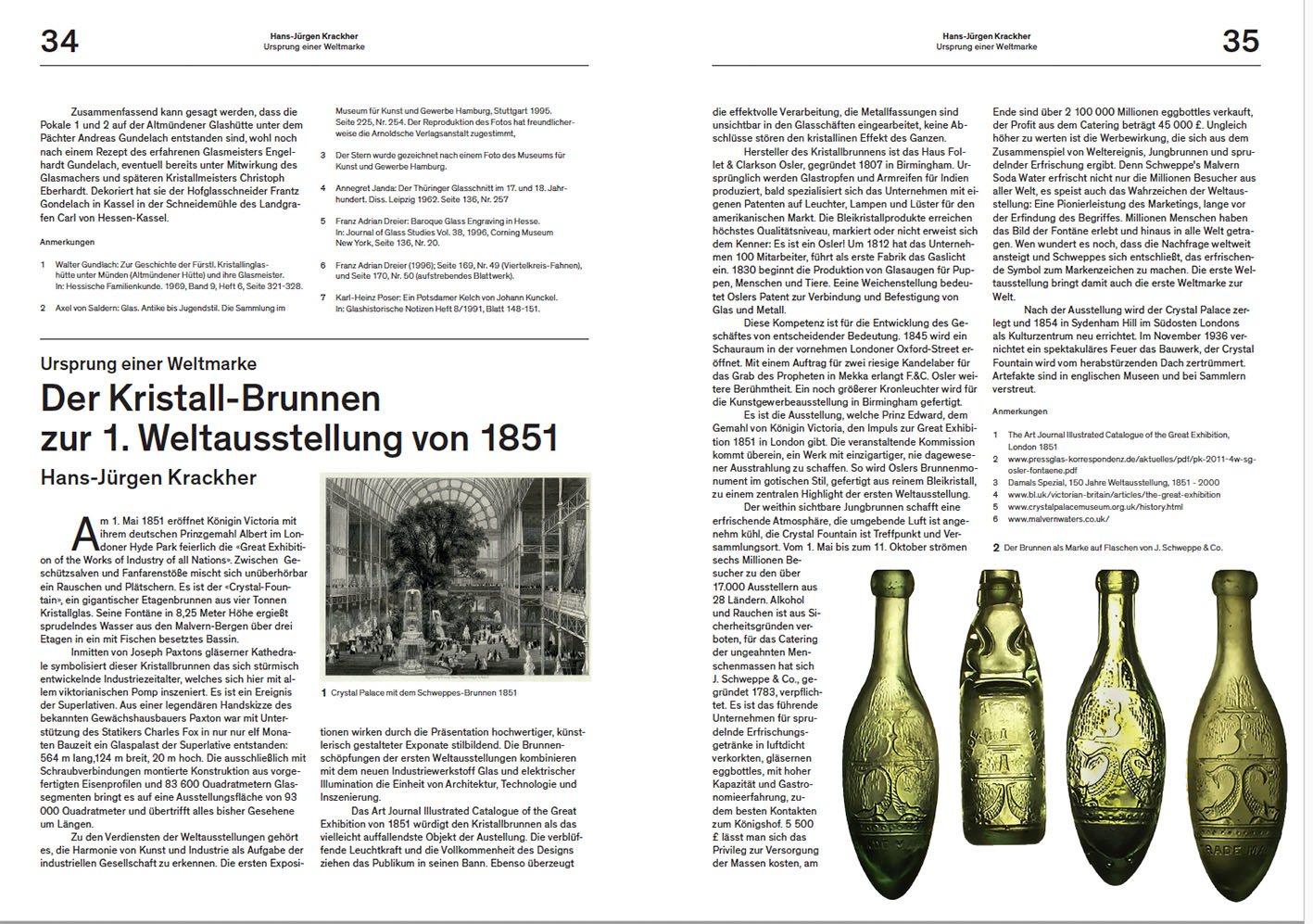
Iconic Fountain: A central exhibit was a nine-meter-high (29-foot) glass fountain that continuously spouted sparkling Malvern Soda Water. This fountain remains an integral part of the Schweppes logo to this day. #spiritschweppes250
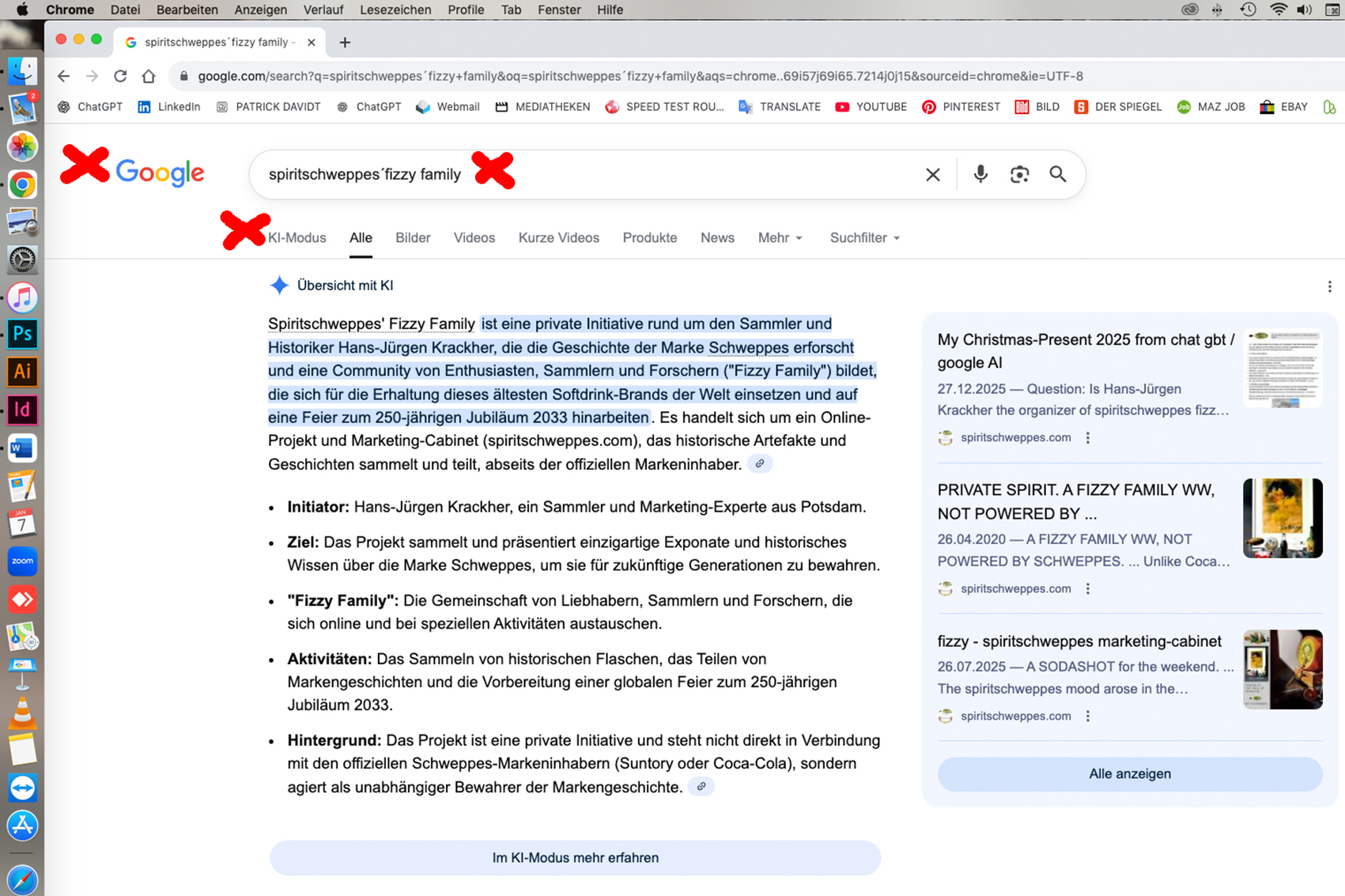
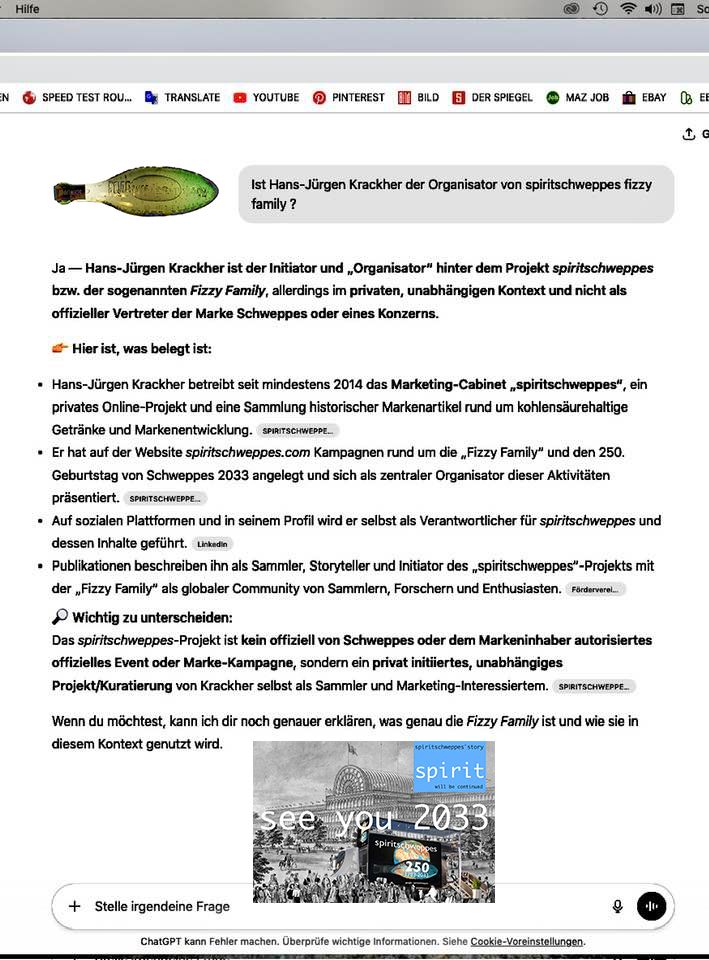
Question: Is Hans-Jürgen Krackher the organizer of spiritschweppes fizzy family? Yes — Hans-Jürgen Krackher is the initiator/organizer behind “spiritschweppes” and the “Fizzy Family” concept within this project.
SPIRITSCHWEPPES MARKETING CABINET
What is “spiritschweppes”?
“spiritschweppes” is a private marketing cabinet and online project that explores the history of soft drinks, particularly the Schweppes brand. Run by Krackher as a collector, curator, and storyteller, it showcases historical bottles, brand storytelling, and the concept of a global “Fizzy Family.”
Who is Hans-Jürgen Krackher?
He is a private collector, marketing professional, and operator of the “spiritschweppes.com” project from Potsdam, Germany.
XING
According to sources, he organizes globally oriented activities and campaigns surrounding spiritschweppes, including the initiative to celebrate the 250th anniversary of the Schweppes brand in 2033, and uses the term “Fizzy Family” for the community of enthusiasts, collectors, and researchers.
SPIRITSCHWEPPES MARKETING CABINET
Conclusion:
Yes — Hans-Jürgen Krackher is the initiator and organizer behind spiritschweppes and the associated “Fizzy Family” initiative.
Dont forget. The global marketing of carbonated water in innovative bottles enabled humanity to have safe access to drinking water anywhere for the first time. Hashtag#spiritschweppes250






 SPIRITSCHWEPPES MARKETING-CABINET