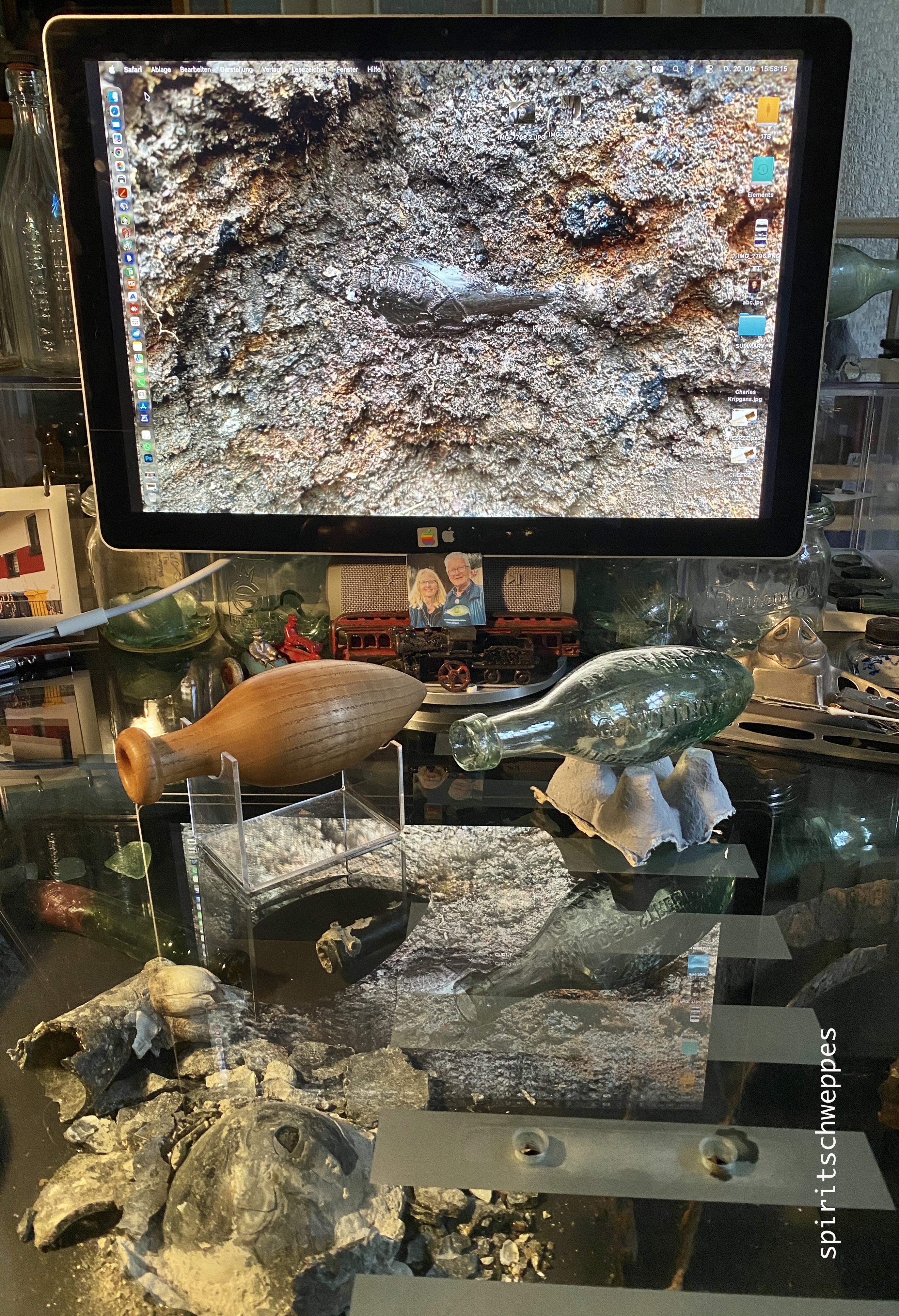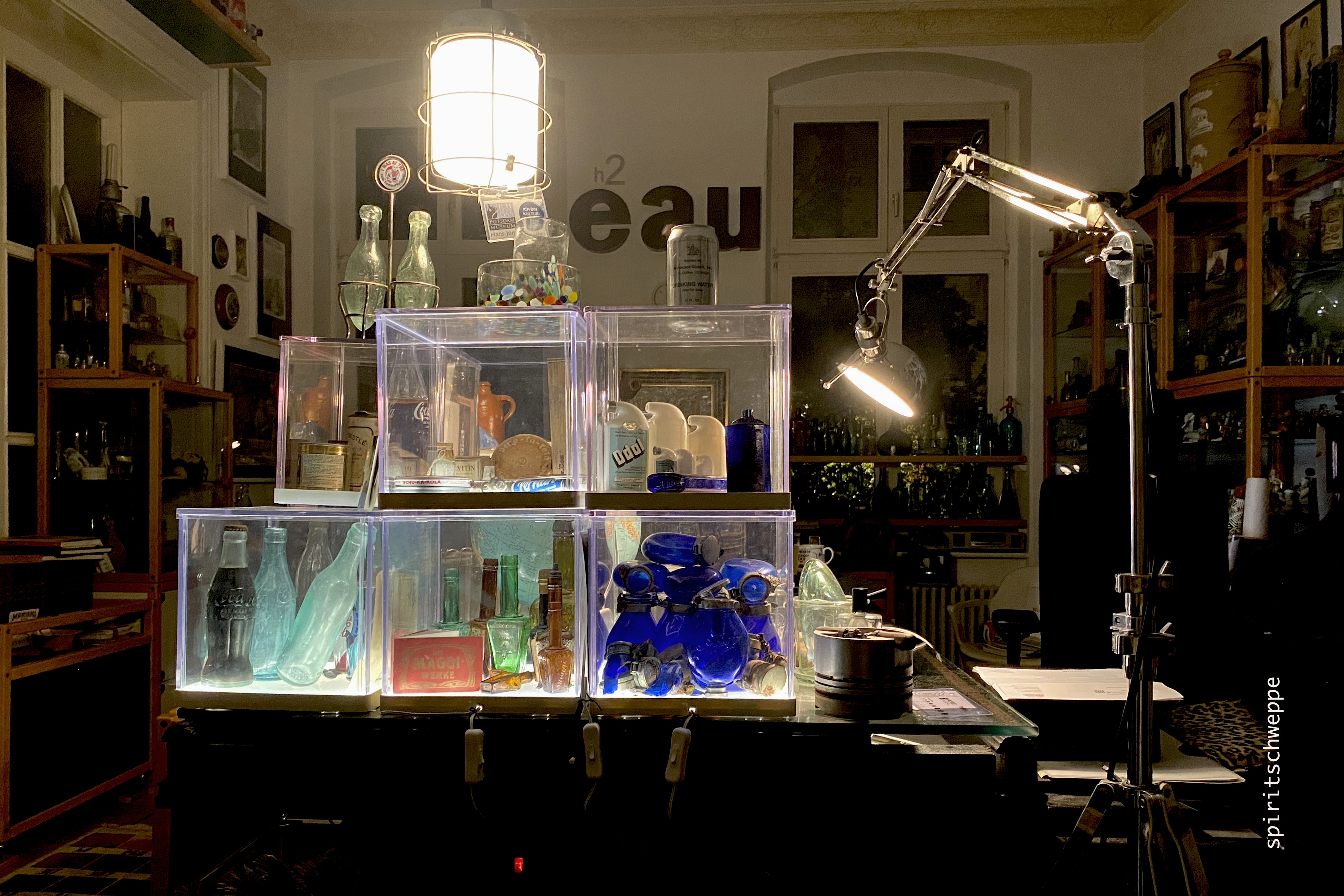
“spiritschweppes” – a 24/7 marketing cabinet and Wunderkammer, a space for storytelling and a salon dedicated to the joy of discovery and an entrepreneurial spirit. cheers http://www.hjktext.de
“spiritschweppes” – a 24/7 marketing cabinet and Wunderkammer, a space for storytelling and a salon dedicated to the joy of discovery and an entrepreneurial spirit. cheers http://www.hjktext.de
Hans-Jürgen Krackher deliberately defines the term “spiritschweppes” as a metaphor for intellectual and mental freshness. In doing so, he bridges the pioneering spirit of German inventor Jacob Schweppe with modern-day creativity and innovative marketing power. His “Spiritschweppes Marketing-Cabinet” leverages this core concept to transform historical milestones—such as the birth of the carbonated beverage industry or the design of the iconic torpedo-shaped bottle—into timeless inspiration for contemporary brand management and storytelling.
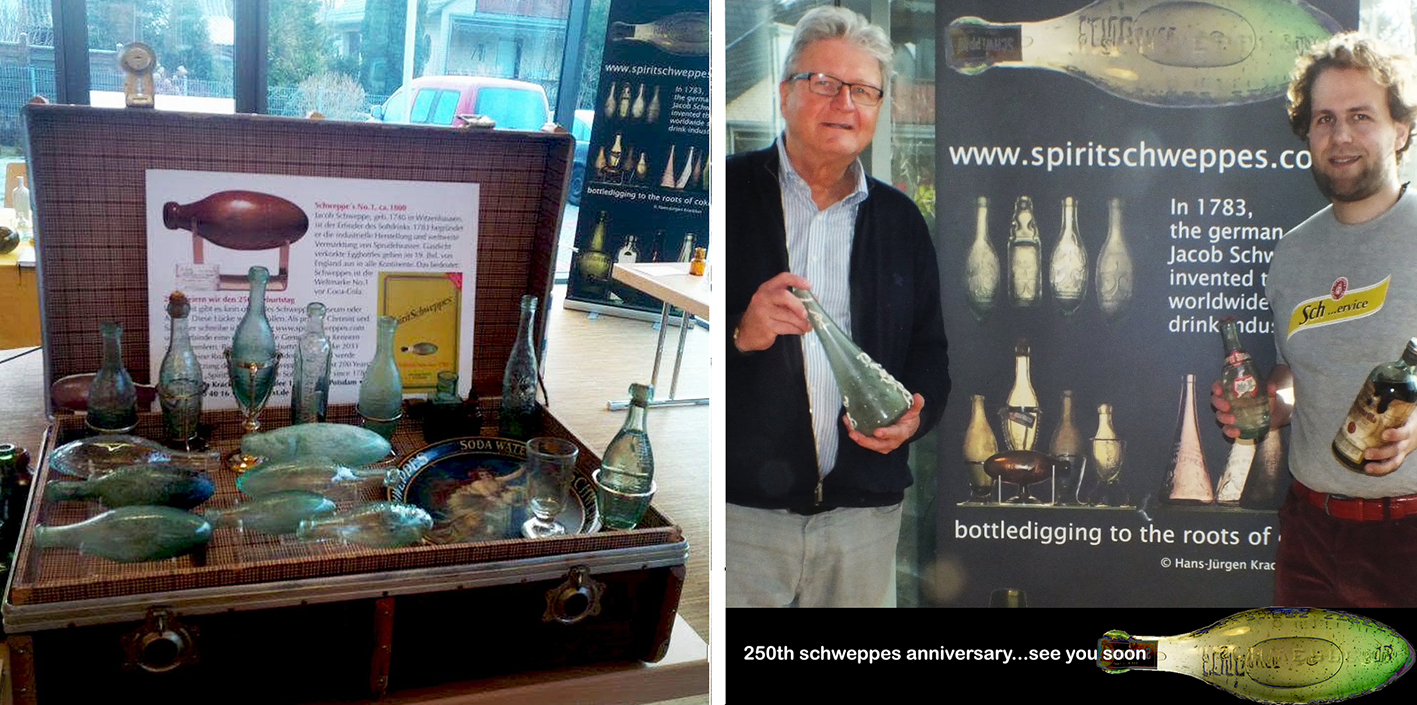
Hans-Jürgen Krackher and Christian Warnecke began sharing stories at a gathering of German glass collectors. Driven by a spirit of discovery, the “spiritschweppes fizzy family”—a global community of curious treasure hunters, excavators, collectors, and historians—has been growing ever since. Germany is the birthplace of Jacob Schweppe (born March 16, 1740, in Witzenhausen; died November 18, 1821, in what is now Geneva). A talented watchmaker with an insatiable spirit of inquiry and entrepreneurship, Schweppe patented the industrial production of soda in 1783 using the “Geneva system,” thereby laying the groundwork for the global concept of the soft drink as a source of mental refreshment. www.hjktext.de
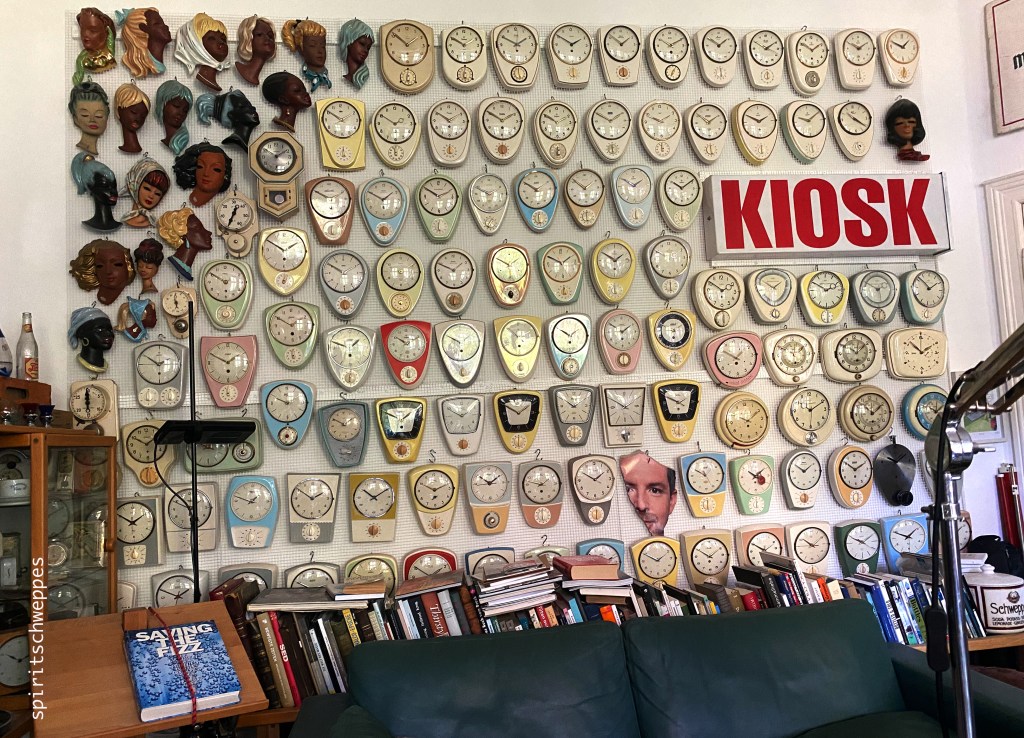
Germany after World War II. Cortendorf masks from the 1950s help people forget the Nazi era. Kitchen clocks from the 1960s with integrated timers represent progress and replace many a crucifix on the wall.
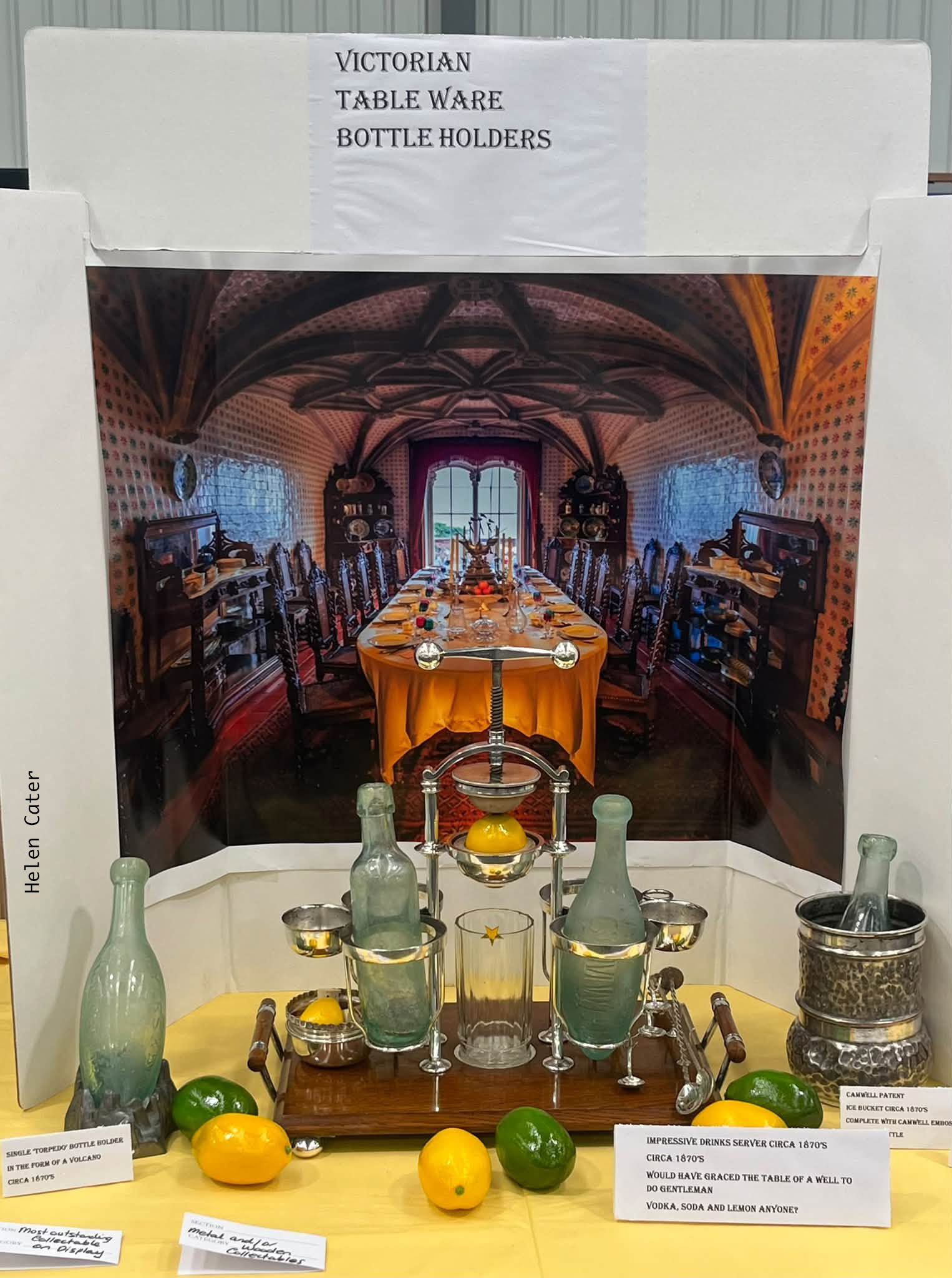
Carbonated water transformed everyday drinking culture in Victorian Britain (1837–1901). Building on the long-standing popularity of natural mineral waters, artificially produced soda water evolved from a medicinal product into an everyday beverage, a social alternative to alcohol, and eventually a marker of status and modernity. Its social significance can be understood across four key areas:
1. A Lifesaver During the Urban Sanitation Crisis
During the Industrial Revolution, rapidly growing British cities were repeatedly affected by devastating outbreaks of diseases such as cholera and typhoid. Urban water supplies were often severely contaminated by sewage and industrial waste, making access to safe drinking water a major public-health concern. In this context, commercially bottled soda water—and, increasingly, soda water produced using domestic devices—was perceived as a safer and more hygienic alternative to untreated water.
Initially sold primarily through pharmacies and marketed for medicinal purposes, soda water was recommended for ailments ranging from digestive complaints to general malaise. Over time, its image shifted from that of a medicinal remedy to that of a clean, refreshing, and increasingly commonplace beverage.
2. A Revolution in Drinking Culture and Alcohol Consumption
The growing availability of soda water also changed the way alcohol was consumed. Rather than drinking spirits such as gin or whisky neat, consumers increasingly combined them with carbonated water, helping to popularize mixed and longer drinks.
By diluting spirits, soda water could make alcoholic beverages less intense and more suitable for extended social drinking. The effervescence also contributed to the sensory and visual appeal of the drink. What had once been associated primarily with medicine and refreshment thus became an integral part of an emerging modern drinking culture.
3. A Tool of the Temperance Movement
By the late nineteenth century, Christian and social reform movements were campaigning vigorously against excessive alcohol consumption, particularly among the working classes. Soda water provided a convenient and socially respectable alternative to alcoholic beverages and was consequently incorporated into the culture of temperance.
Temperance cafés and refreshment establishments offered alcohol-free spaces in which people could meet, converse, and socialize without entering the social environment of the traditional public house. Such venues were particularly significant for women and young people, for whom the pub could carry considerable social and moral stigma. Soda water therefore became associated not only with refreshment but also with ideas of sobriety, respectability, and self-control.
4. A Status Symbol of Victorian Lifestyle
At the same time, soda water acquired a very different meaning among the affluent. For the upper classes and the expanding Victorian middle class, it increasingly became associated with refinement, modernity, and fashionable living.
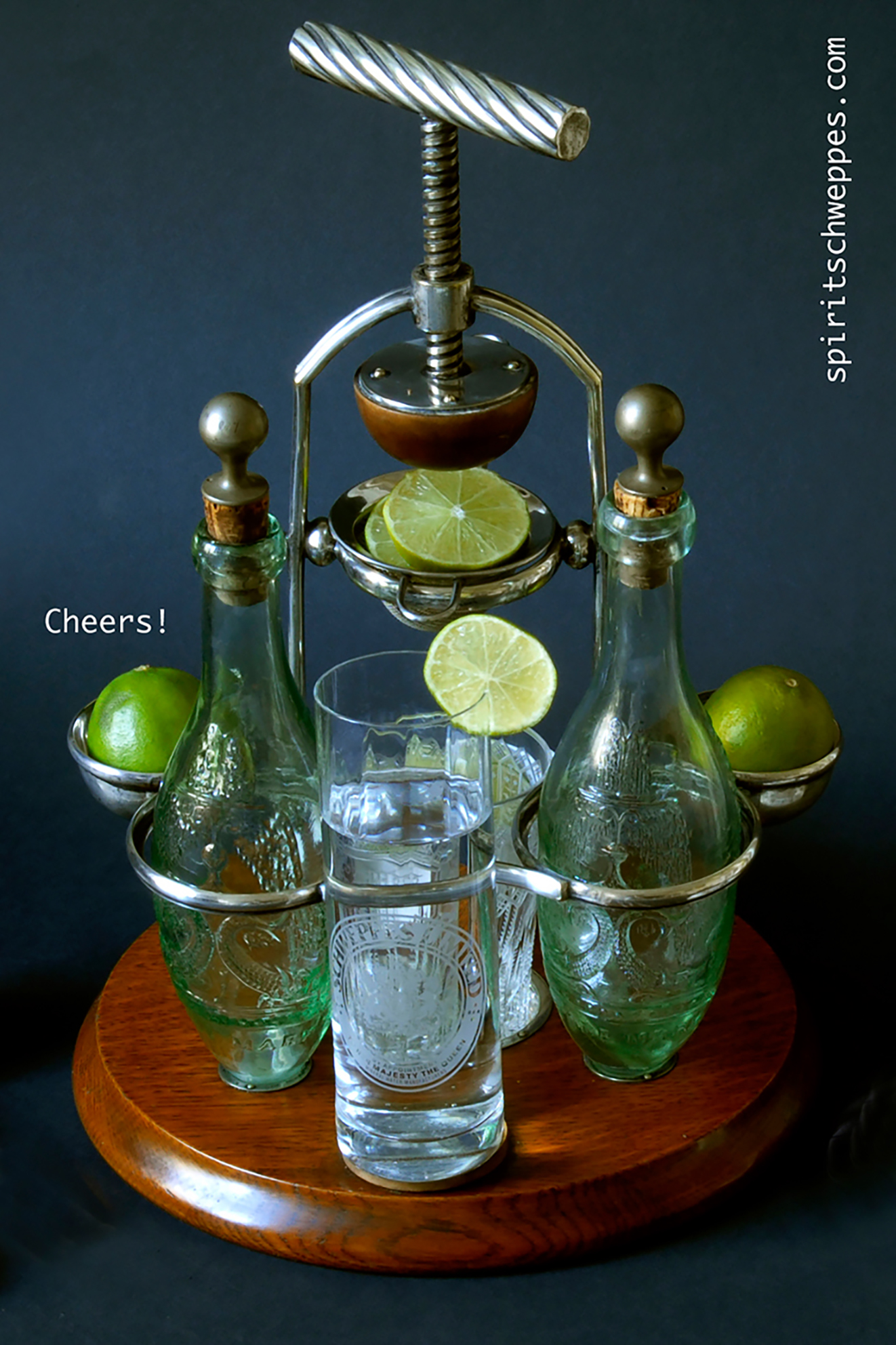
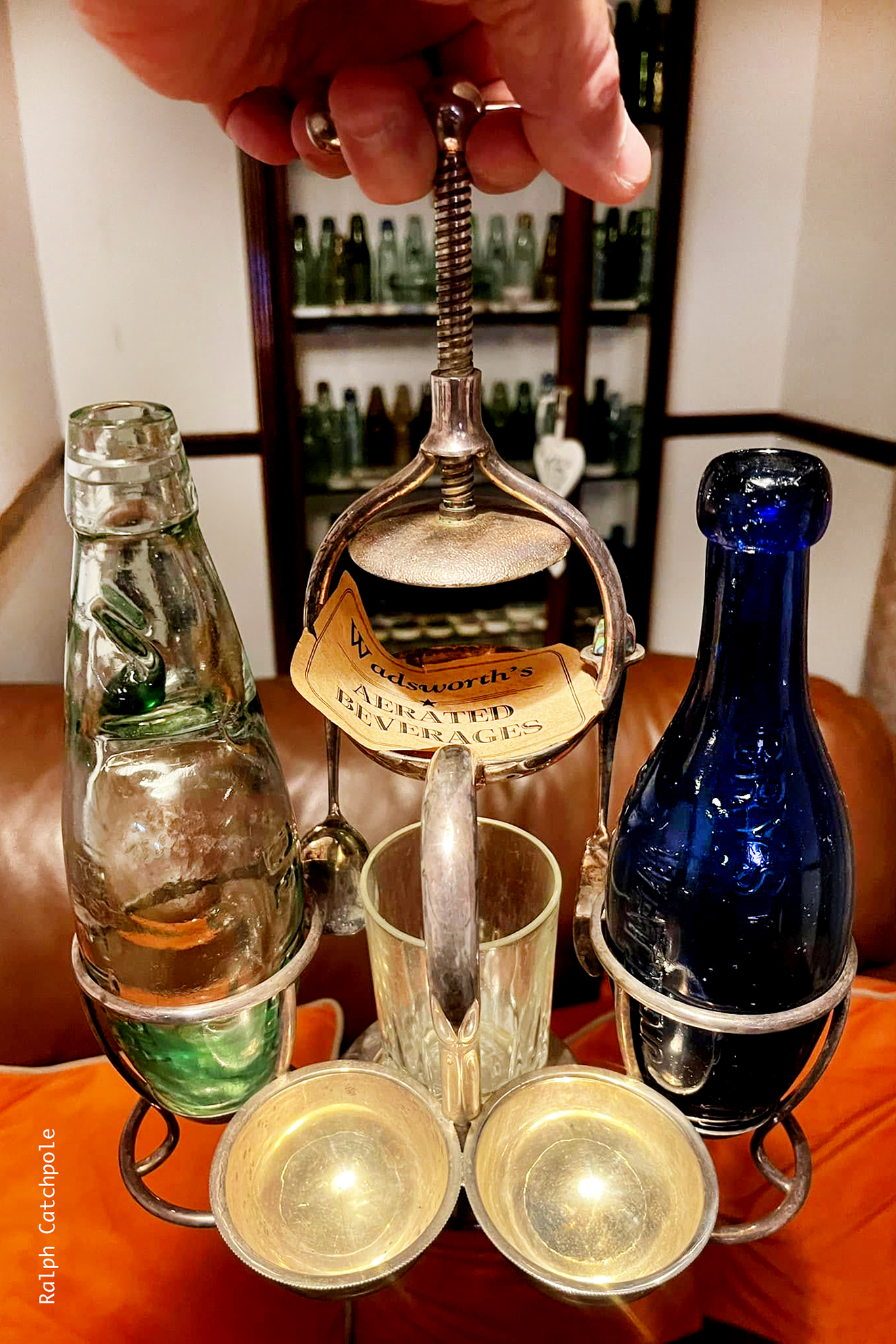
Members of the British elite, including Queen Victoria, consumed and popularized sparkling beverages, while elaborate siphon bottles and dispensing devices became prominent features of domestic and social entertaining. Some were crafted from expensive materials, including silver, and were displayed prominently on dining tables.
Possessing and serving soda water could therefore communicate more than a preference for a particular beverage. It reflected access to modern technology, an appreciation of hygiene and convenience, and the financial means to participate in an increasingly sophisticated consumer culture.
Conclusion
Soda water occupied a remarkably diverse position in Victorian British society. It could be presented as a medicinal remedy, perceived as a safer alternative to questionable water supplies, used to moderate and transform alcohol consumption, promoted as part of the temperance movement, and displayed as a fashionable luxury. Its history therefore illustrates how a seemingly ordinary beverage could become closely intertwined with Victorian ideas of health, hygiene, sociability, morality, modernity, and social status. © Hans-Jürgen Krackher, spiritschweppes´marketingcabinet)
https://www.thisvictorianlife.com/blog/victorian-soda-maker-gasogene-video
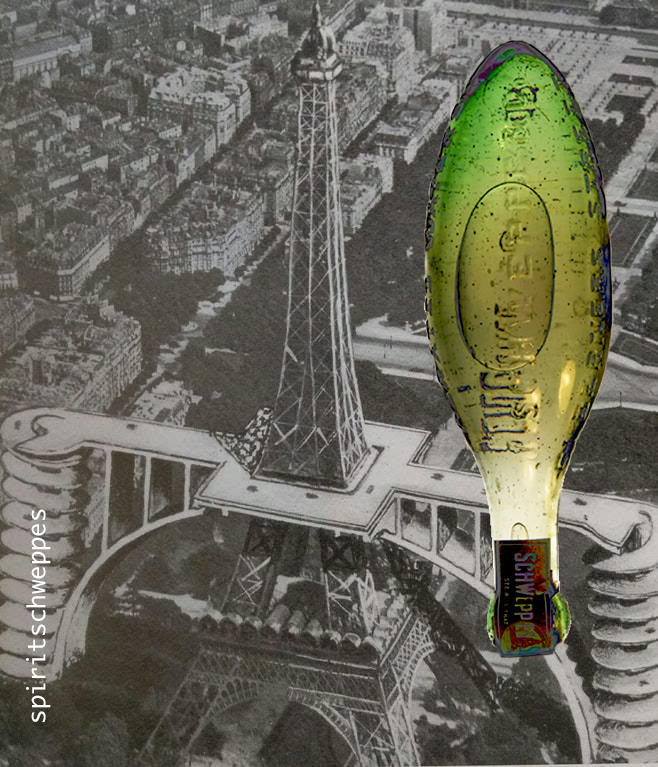
A 1936 project for making the 2nd floor of the Eiffel Tower accessible by car. thanks to https://www.facebook.com/HistoricPhotographs
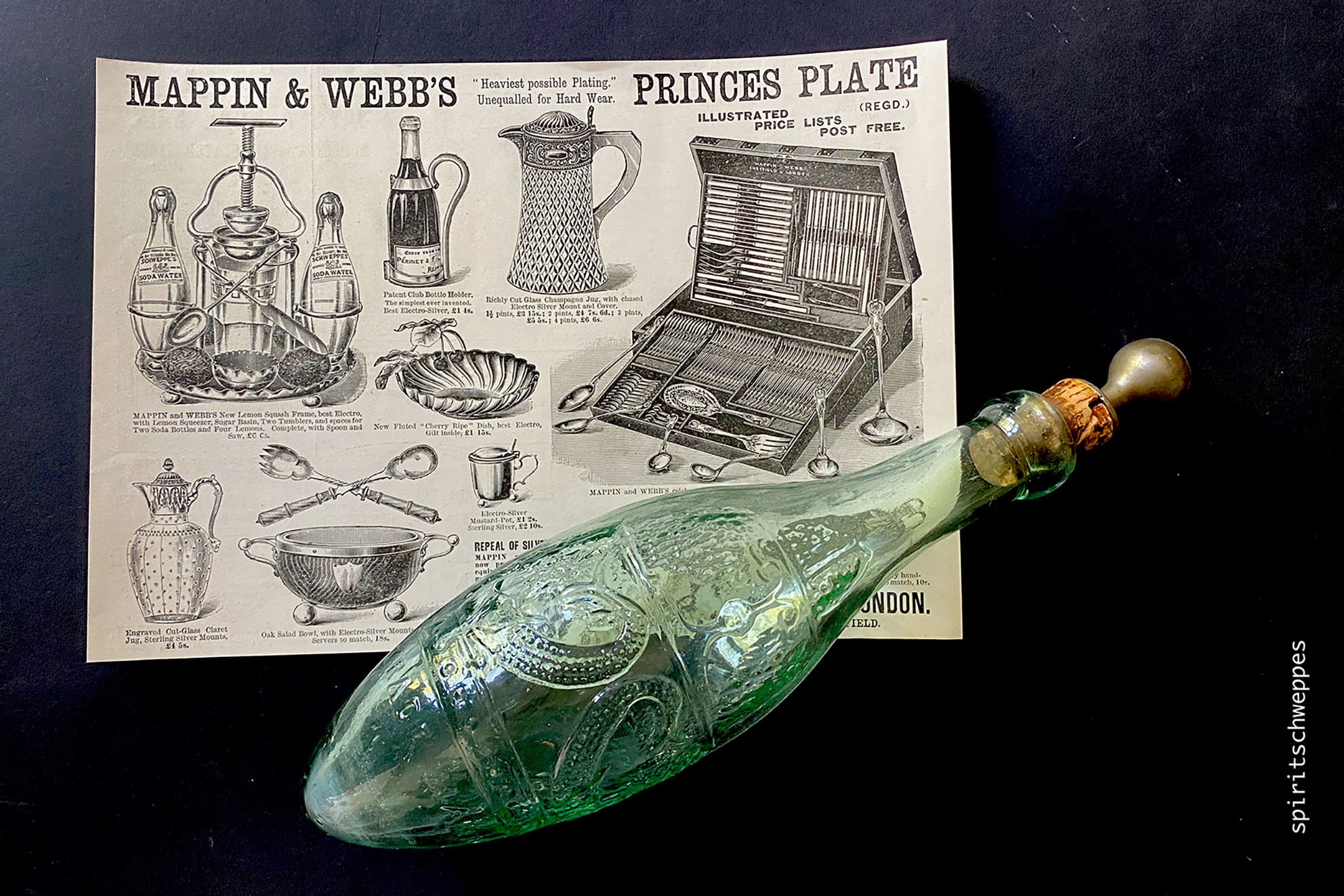
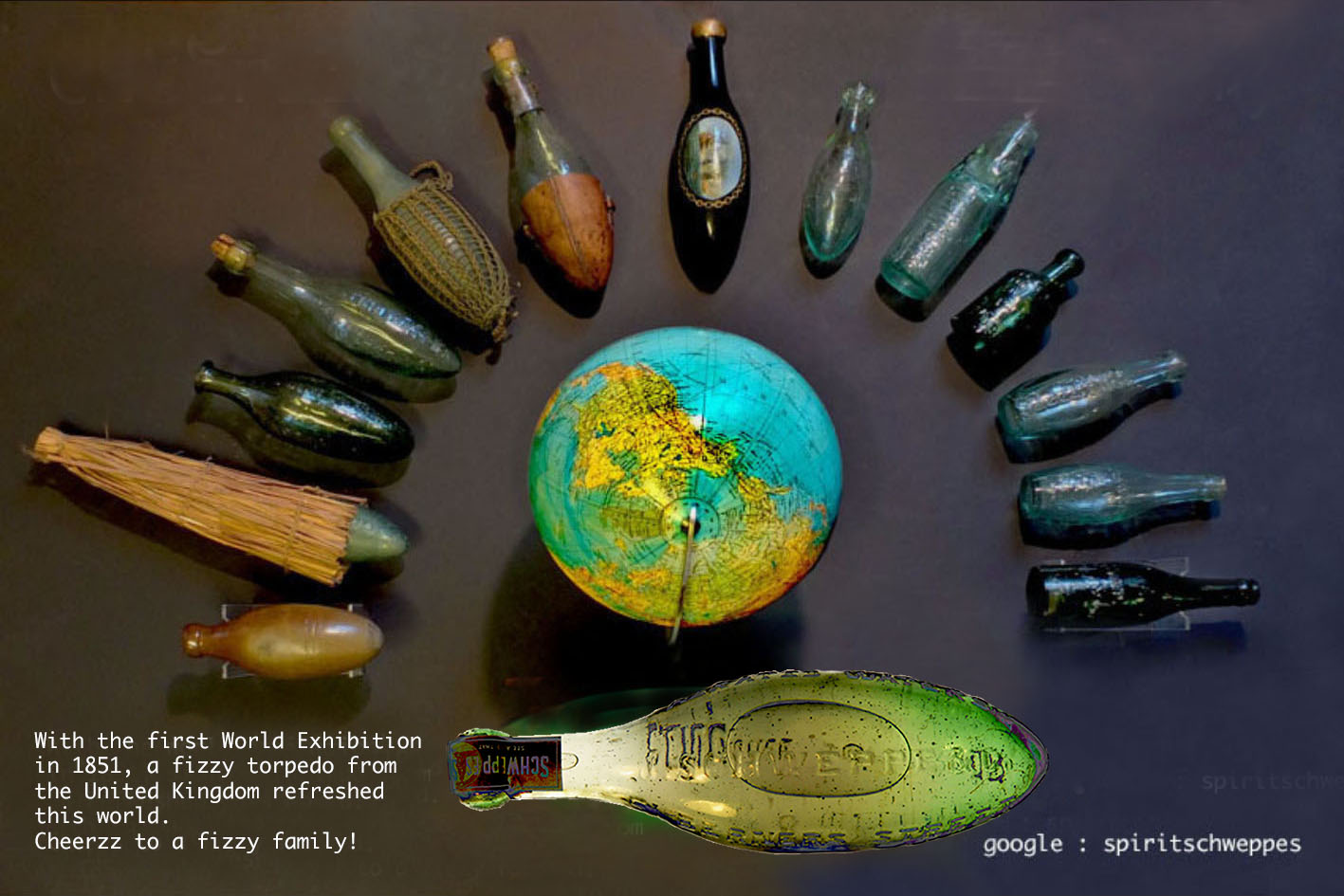
…and Jacob Schweppes “drunken bottle”, the completely unrealistic invention, is also there around since 1800 here. Suddenly, bottles can no longer stand upright !!! And the beverage industry was turned upside down.
spiritschweppes is all about the joy of discovery: What problems did Gustave Eiffel face with the public regarding the Eiffel Tower? (AI-generated) He had to endure massive resistance, ridicule, and open hostility from the Parisian public—particularly from artists and intellectuals—both before and during construction.
The major issues and protests can be summarized as follows: The protest by Parisian artists (the “Protest of the Three Hundred”). Massive resistance formed as early as 1887, before construction even began. An alliance of around 300 prominent writers, painters, sculptors, and architects published an angry manifesto in the newspaper *Le Temps*. They described the planned tower as “useless and monstrous.”
They feared that the colossal structure would permanently disfigure and overshadow the historic elegance and beauty of Paris. Well-known figures, such as the writer Guy de Maupassant, joined the protest. Maupassant later reportedly made a point of dining at the Eiffel Tower’s restaurant because it was the only place in Paris where he did not have to look at the tower itself.
Aesthetic criticism and insults. Parisians perceived the bare steel structure—a completely novel sight at the time—as ugly and industrial. They mocked the structure, giving it derogatory nicknames such as: “Giant black factory chimney,” “Tragic steel-ribbed lamppost,” “Hateful shadow,” and “Tin monstrosity.”
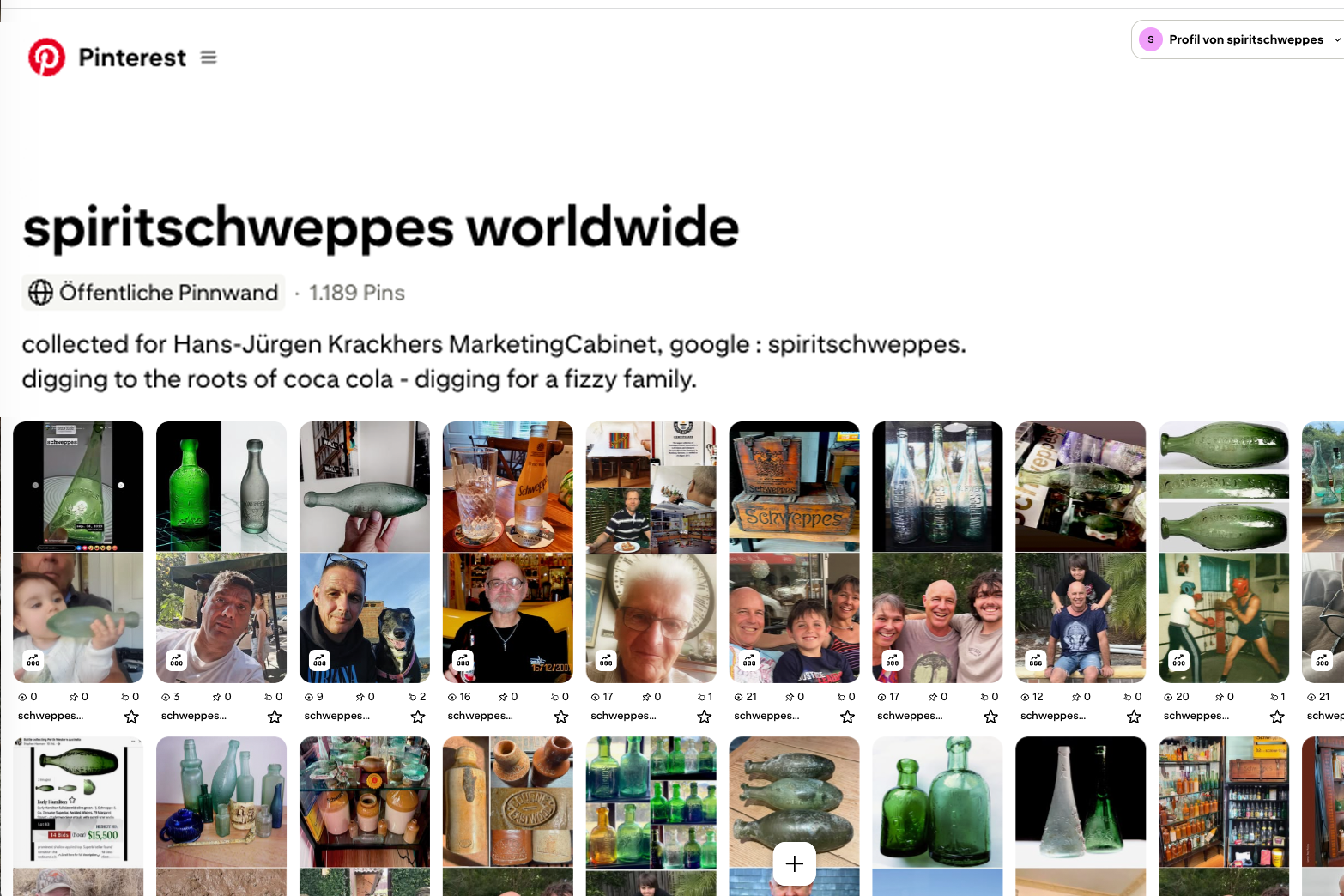
…a fizzy family from the beginning. https://uk.pinterest.com/spiritschweppes/spiritschweppes-worldwide/ and https://uk.pinterest.com/spiritschweppes/the-spirit-of-eggbottles/ The term “spiritschweppes” embodies mental freshness and the joy of discovery. Drawing from the realm of social media, Hans-Jürgen Krackher’s “Marketingcabinet” taps into the knowledge of treasure hunters, collectors, and experts from around the globe, describing them as the “spiritschweppes fizzy family.” A warm welcome to you in a exciting community.
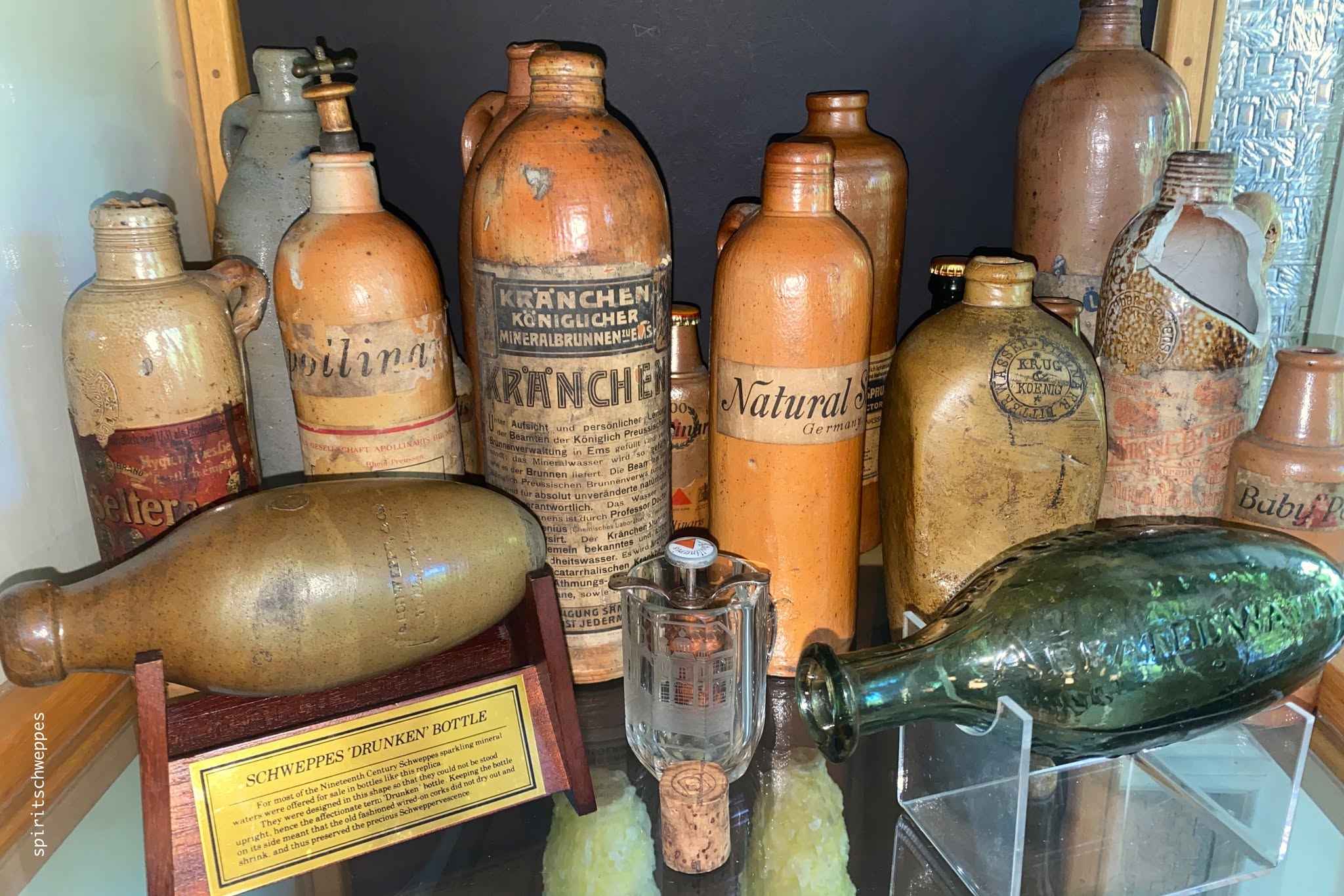
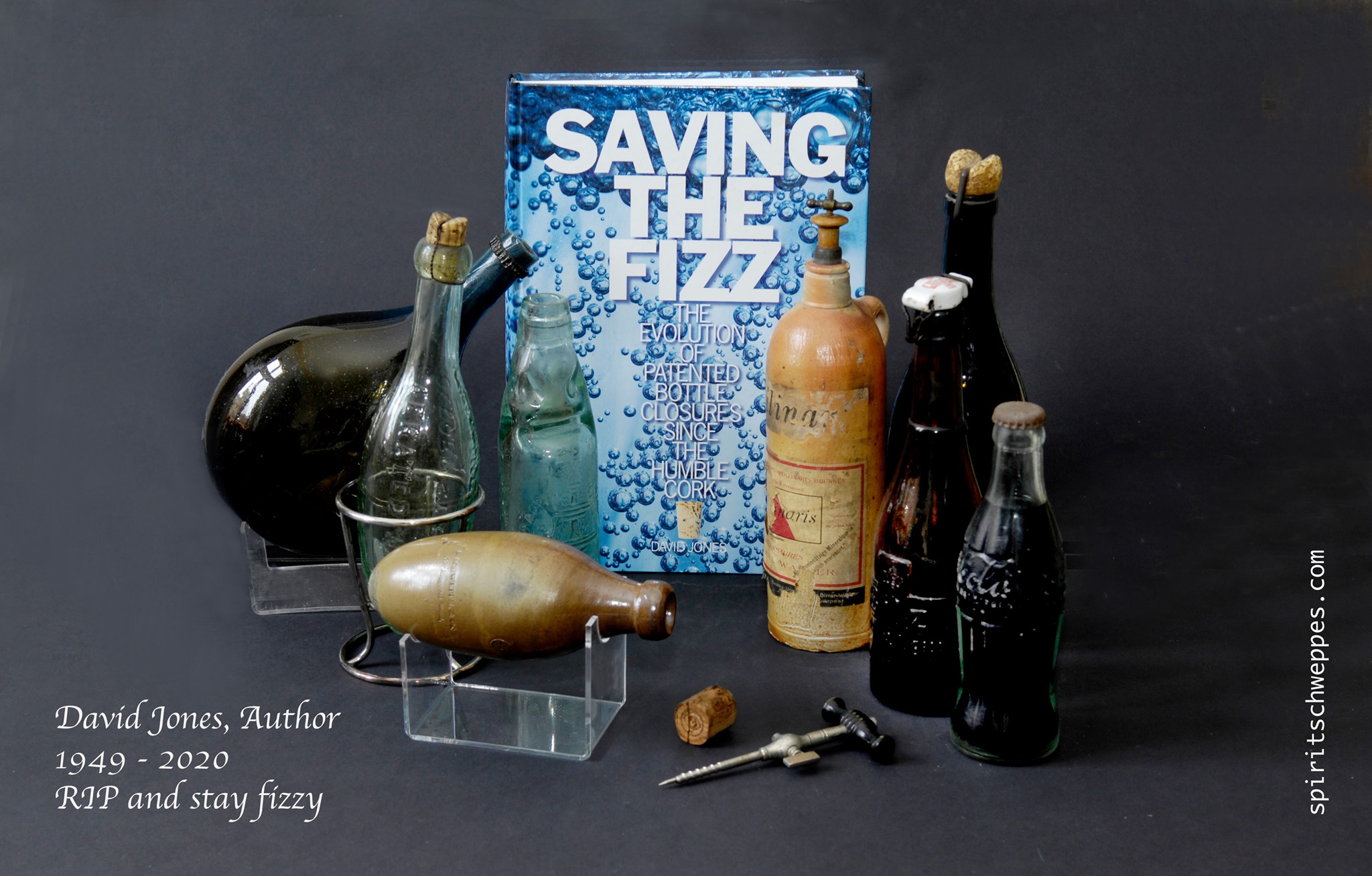
The “Selters” clay jugs. The world-famous springs in Niederselters, Germany, gave their name to a whole category of sparkling mineral water. In the 18th and 19th centuries, this naturally carbonated, mineral-rich water was exported worldwide by the million as both a medicinal and a luxury beverage (e.g., Apollinaris). The stoneware jugs—handcrafted in the nearby Westerwald region—were shipped via the Netherlands in their millions (including for use as gin bottles). The invention of artificial, industrially produced soda water in the early 19th century (Jacob Schweppe Ltd.) marked the end of the stoneware jug era. Initially, only pointed-bottom bottles could withstand the high internal pressure of soda water; furthermore, this design kept the cork moist. The photograph illustrates the evolution from clay jugs to glass bottles.
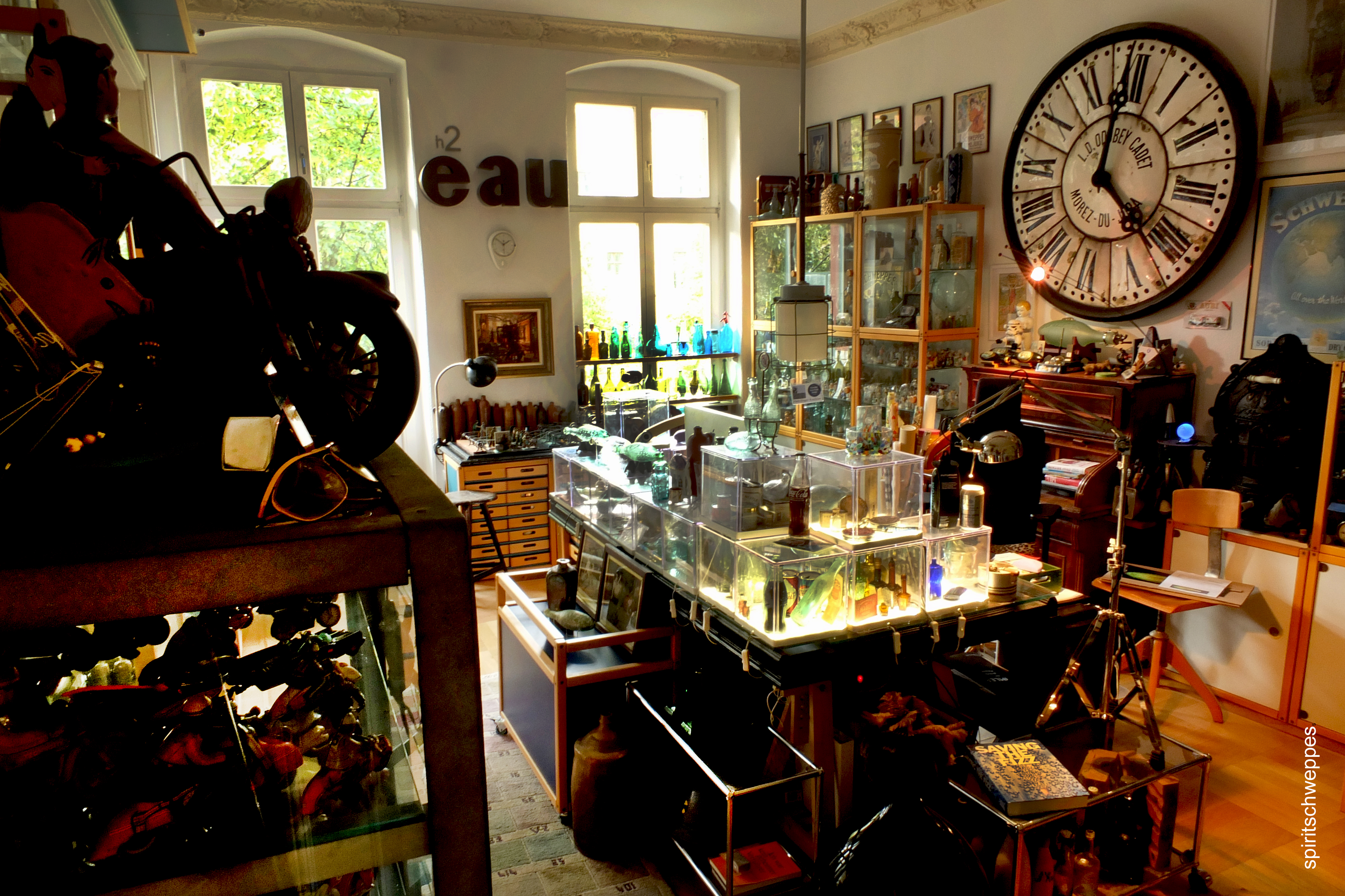
Wishing everyone a great start to the museum autumn. On September 5, 2026, http://www.hjktext.de