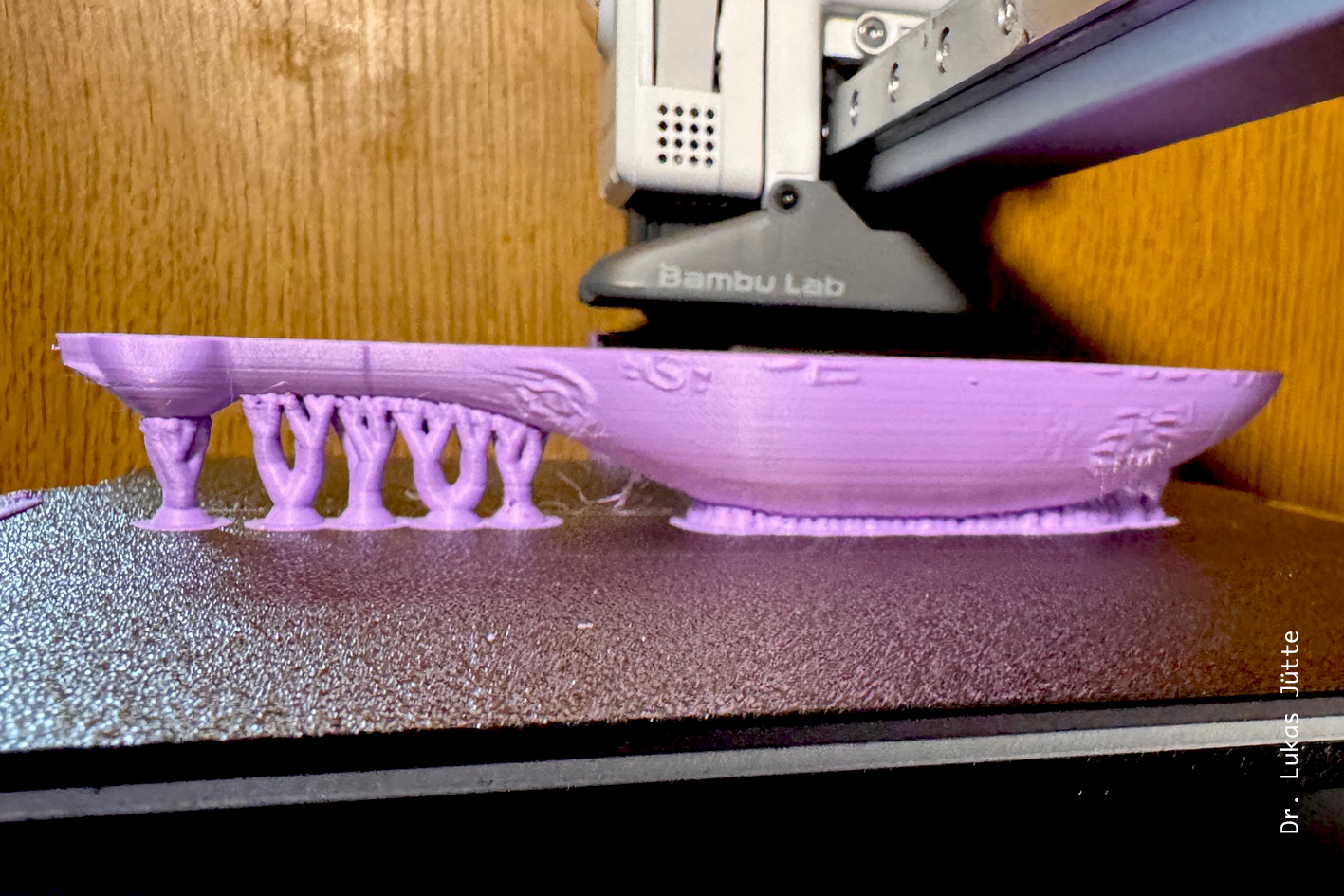
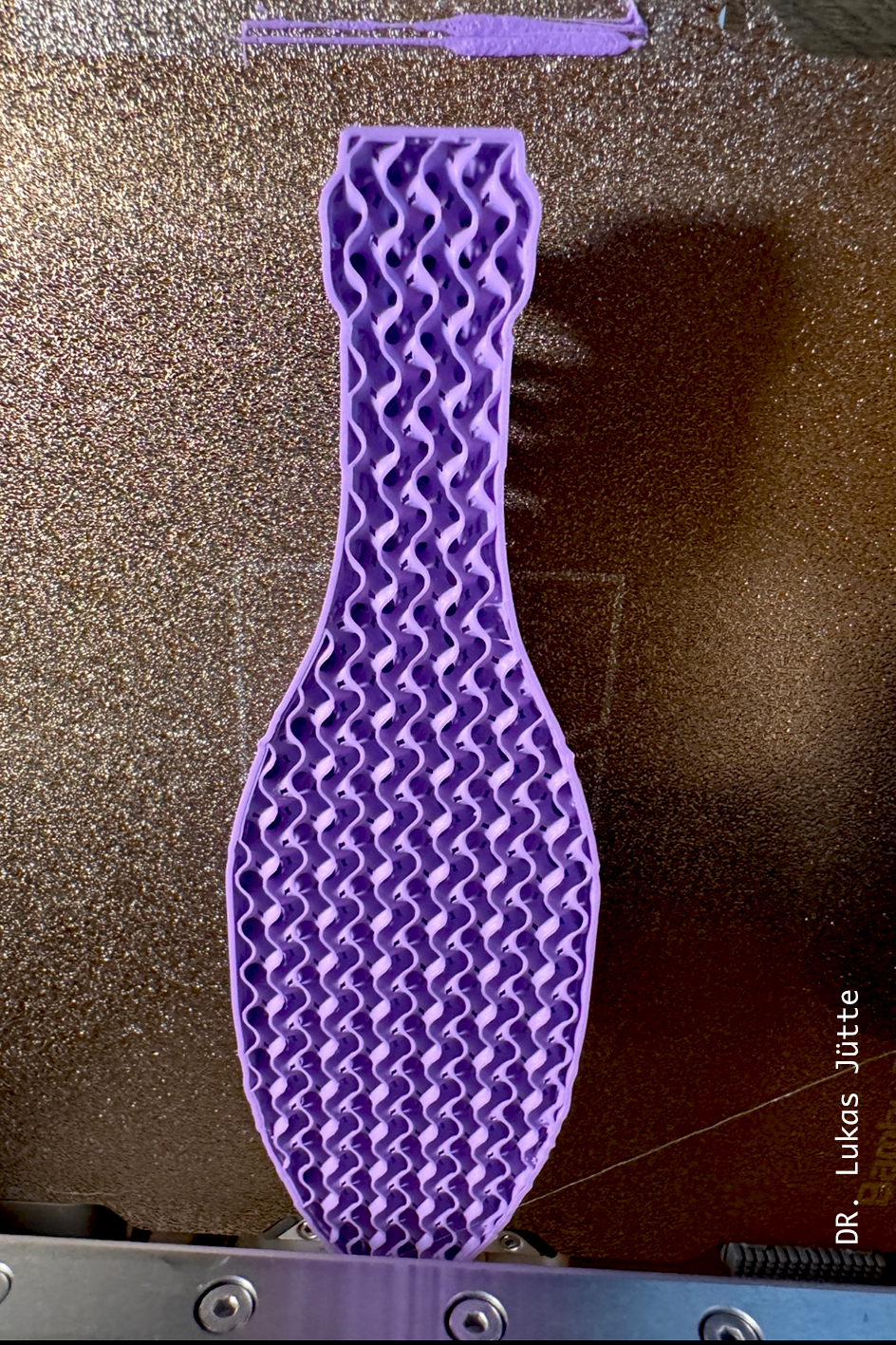
Double thanks chatgpt

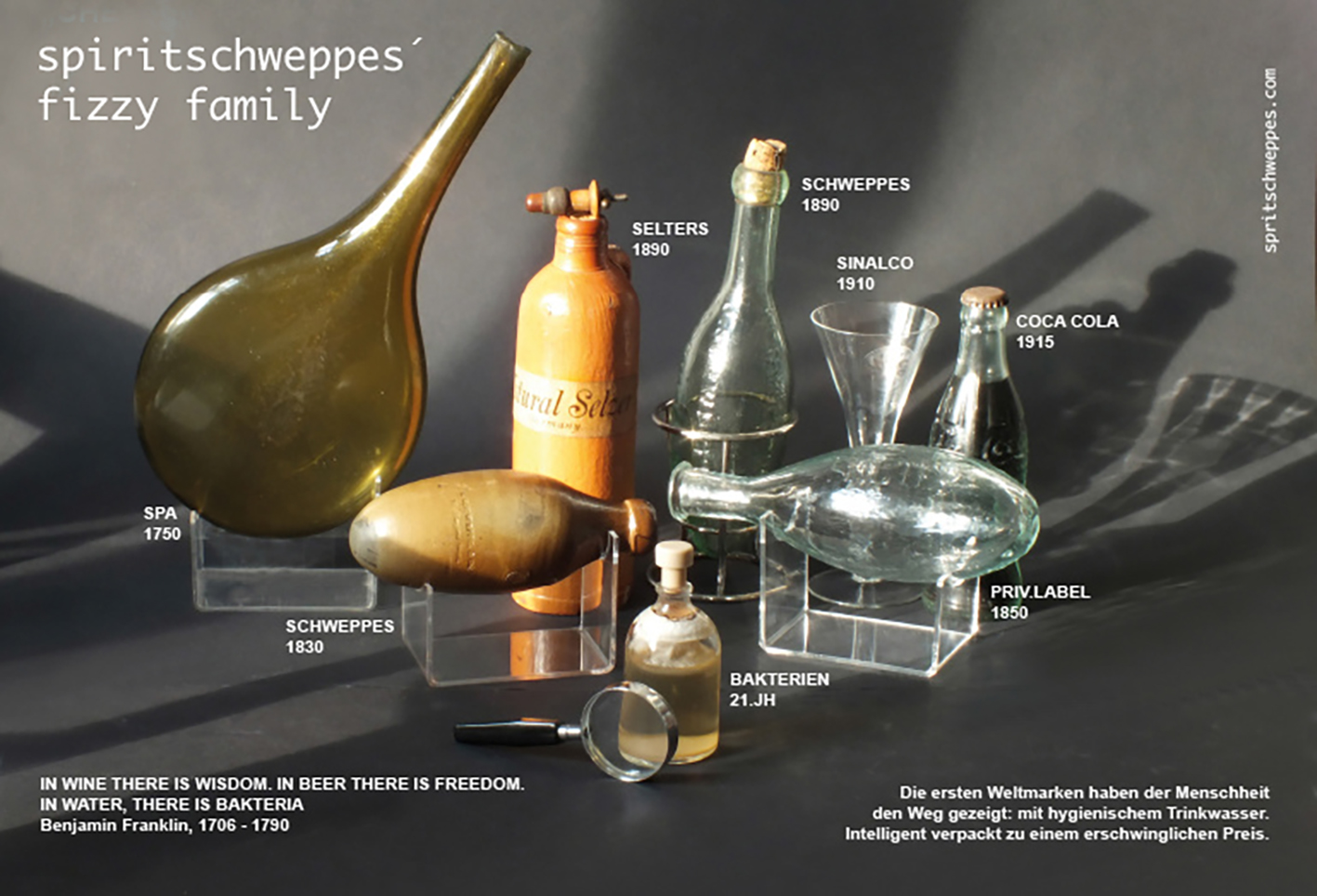
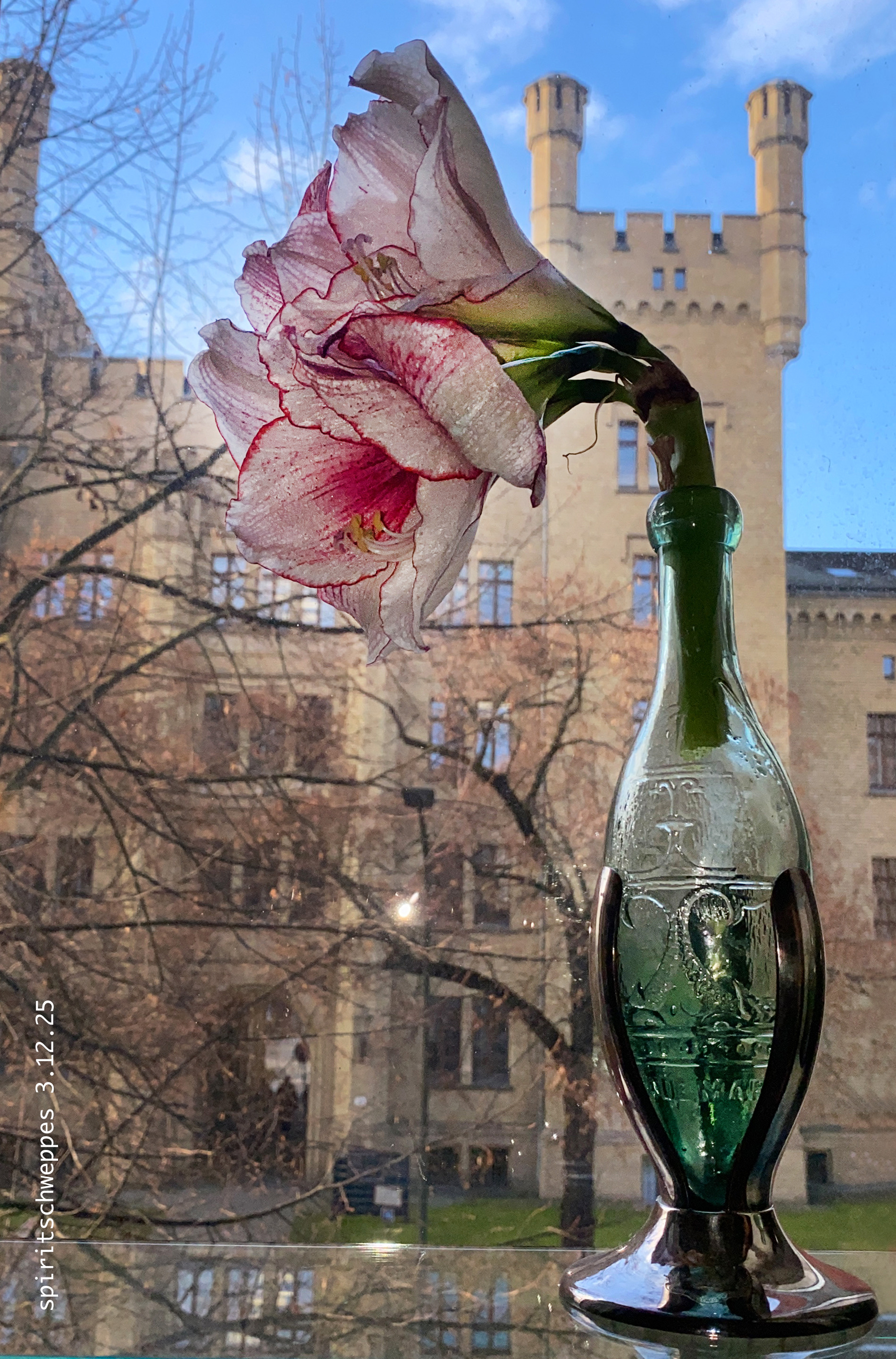
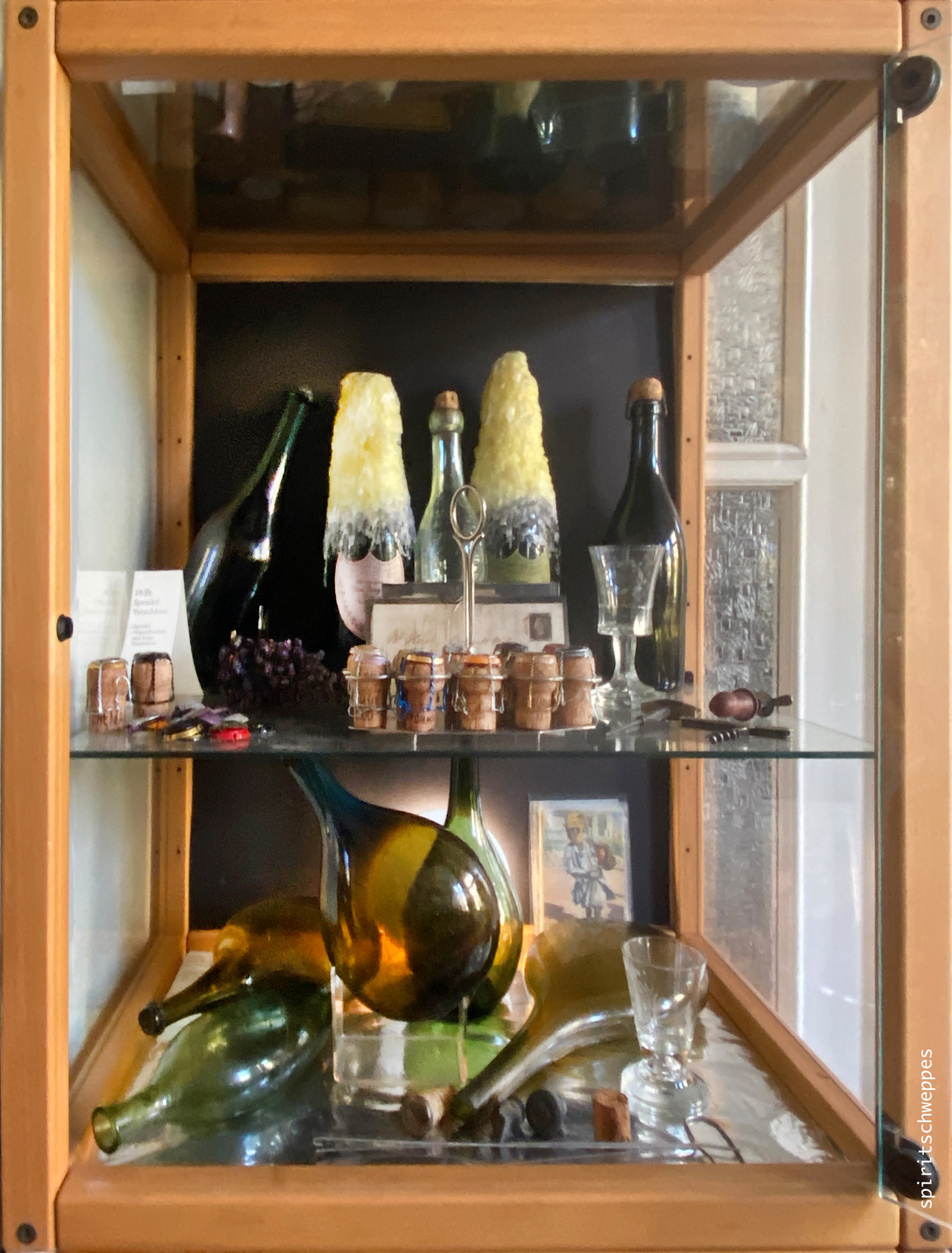
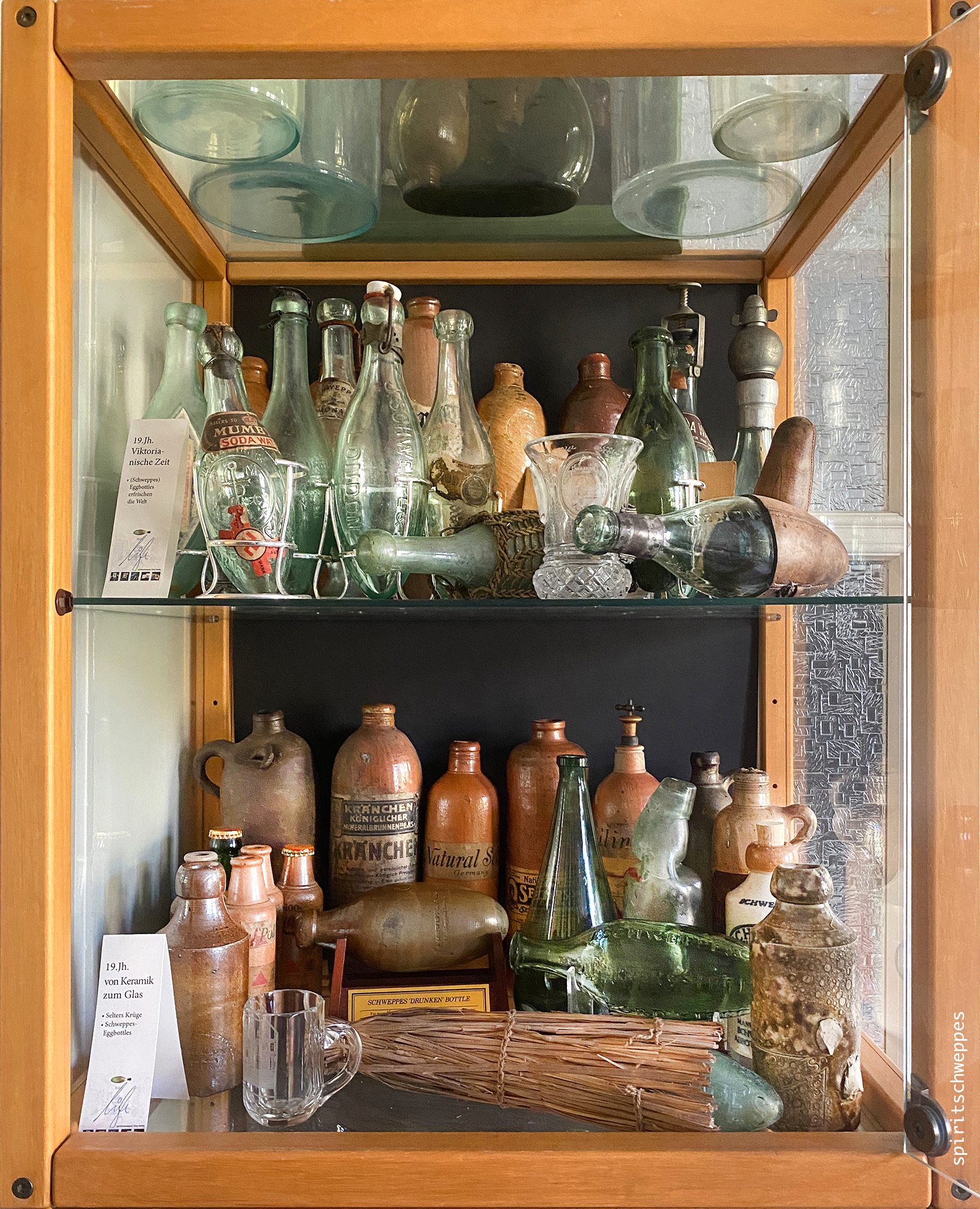
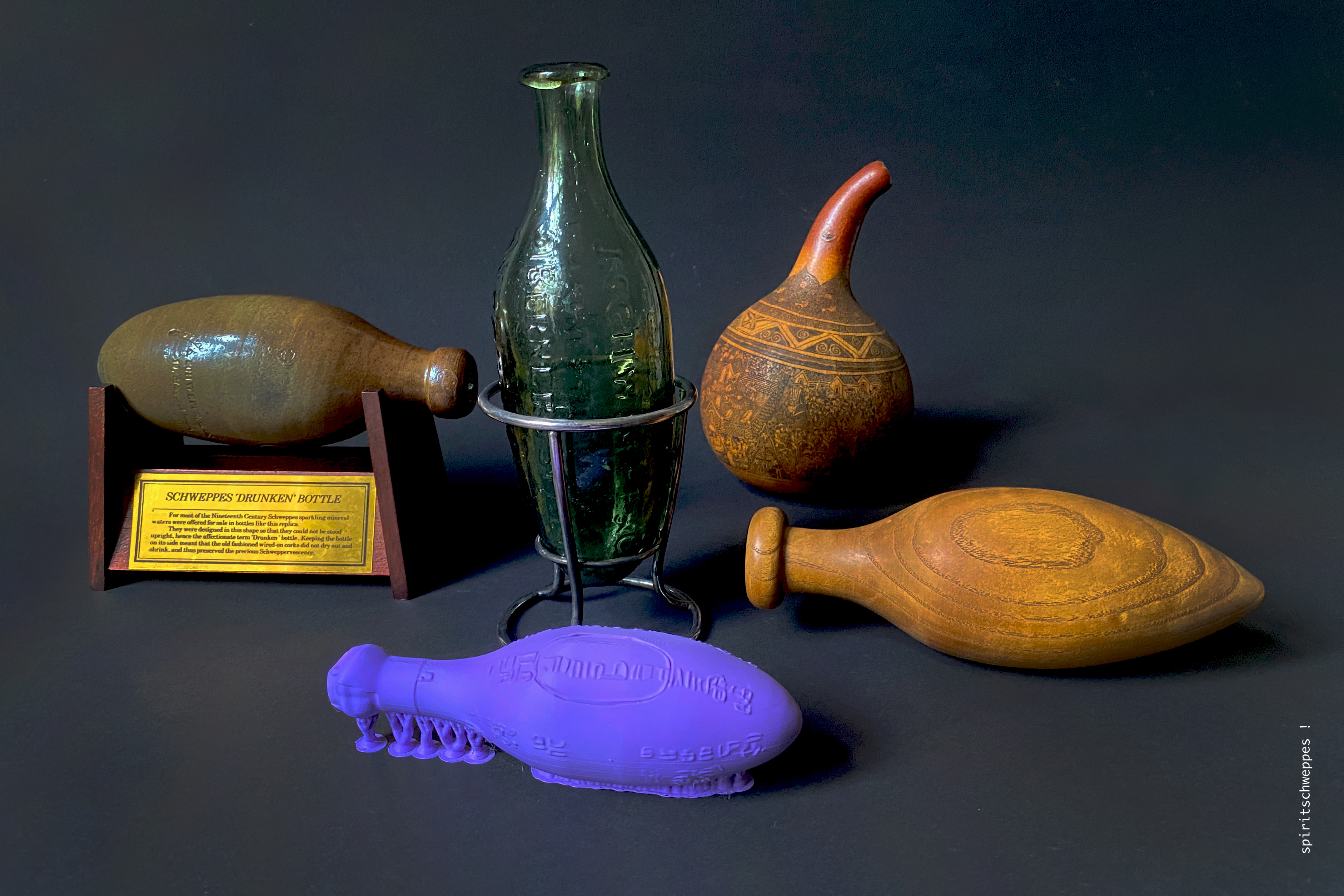
…but there’s still a lot to do on the eggbottle: https://uk.pinterest.com/spirit…/the-spirit-of-eggbottles/ Spritschweppes´ fizzy family (AIgoogle 🙂 is working on it. Since 1831, Schweppe & Co. has been a purveyor to the Royal Court. In 1851, Victoria and Albert opened the Great Exhibition in London. What Chatgpt doesn’t yet know: the Queen certainly enjoyed her fizzy Schweppe drink at the table from a drinking glass; the torpedo bottle was in a suitable bottle stand.

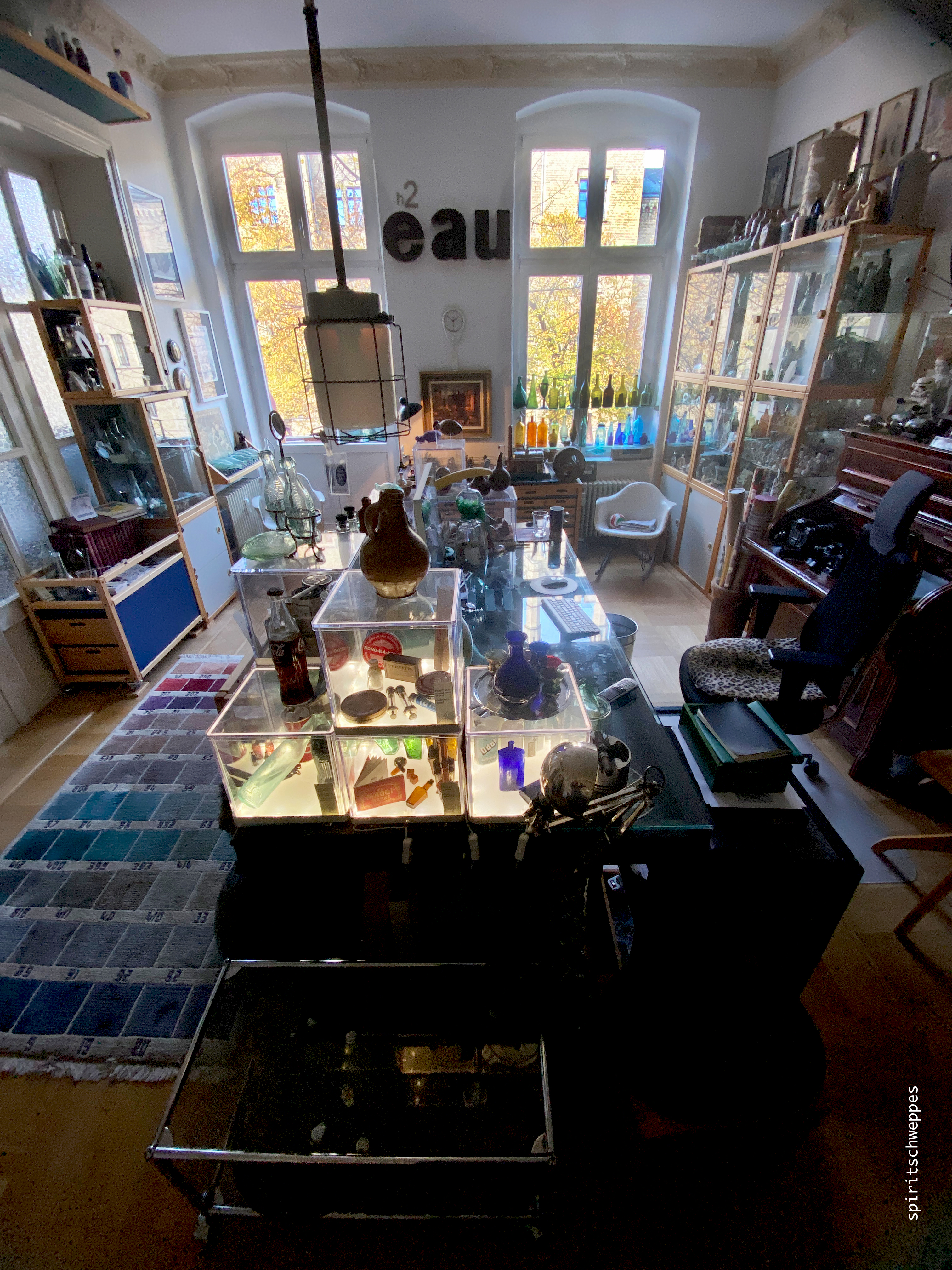
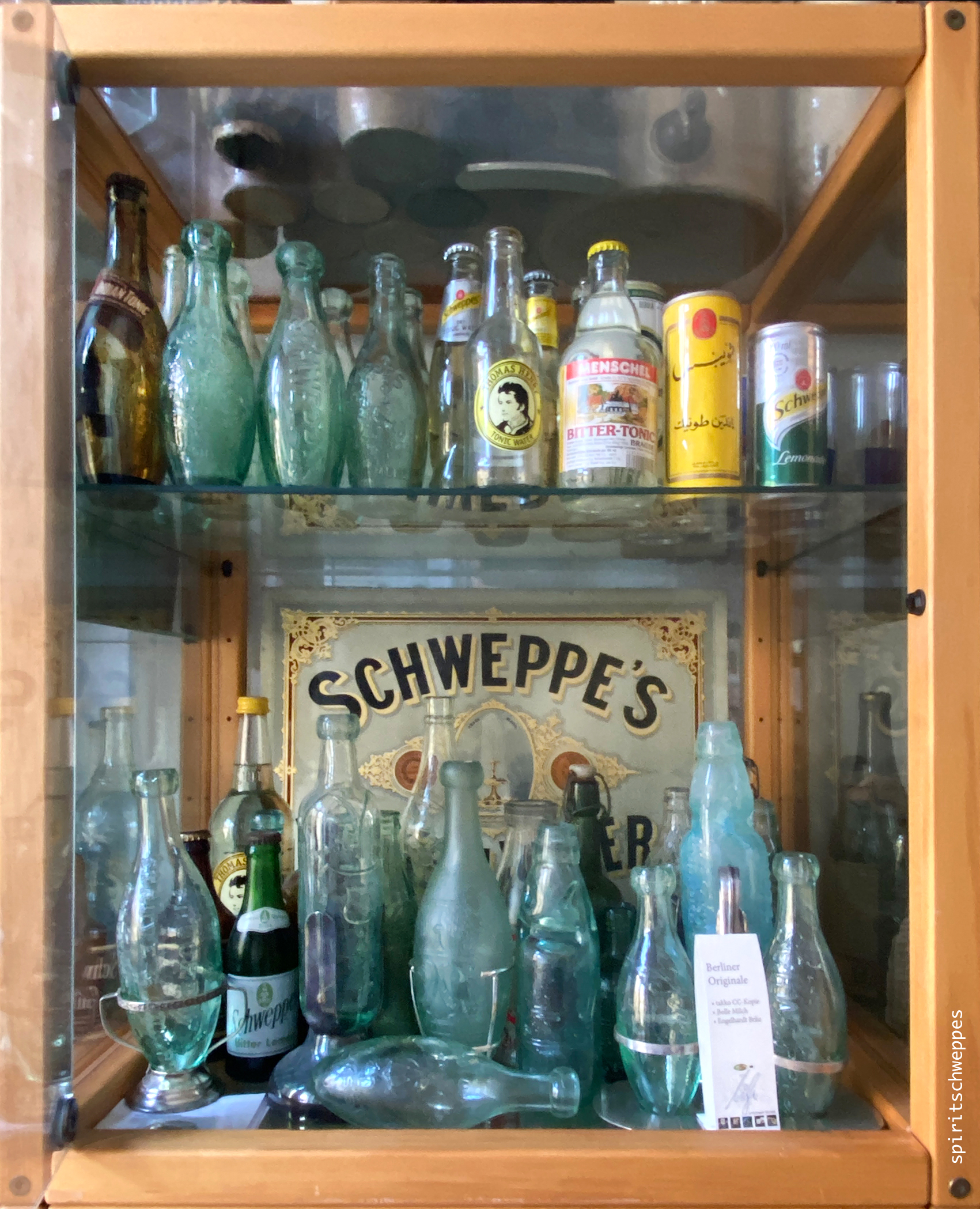
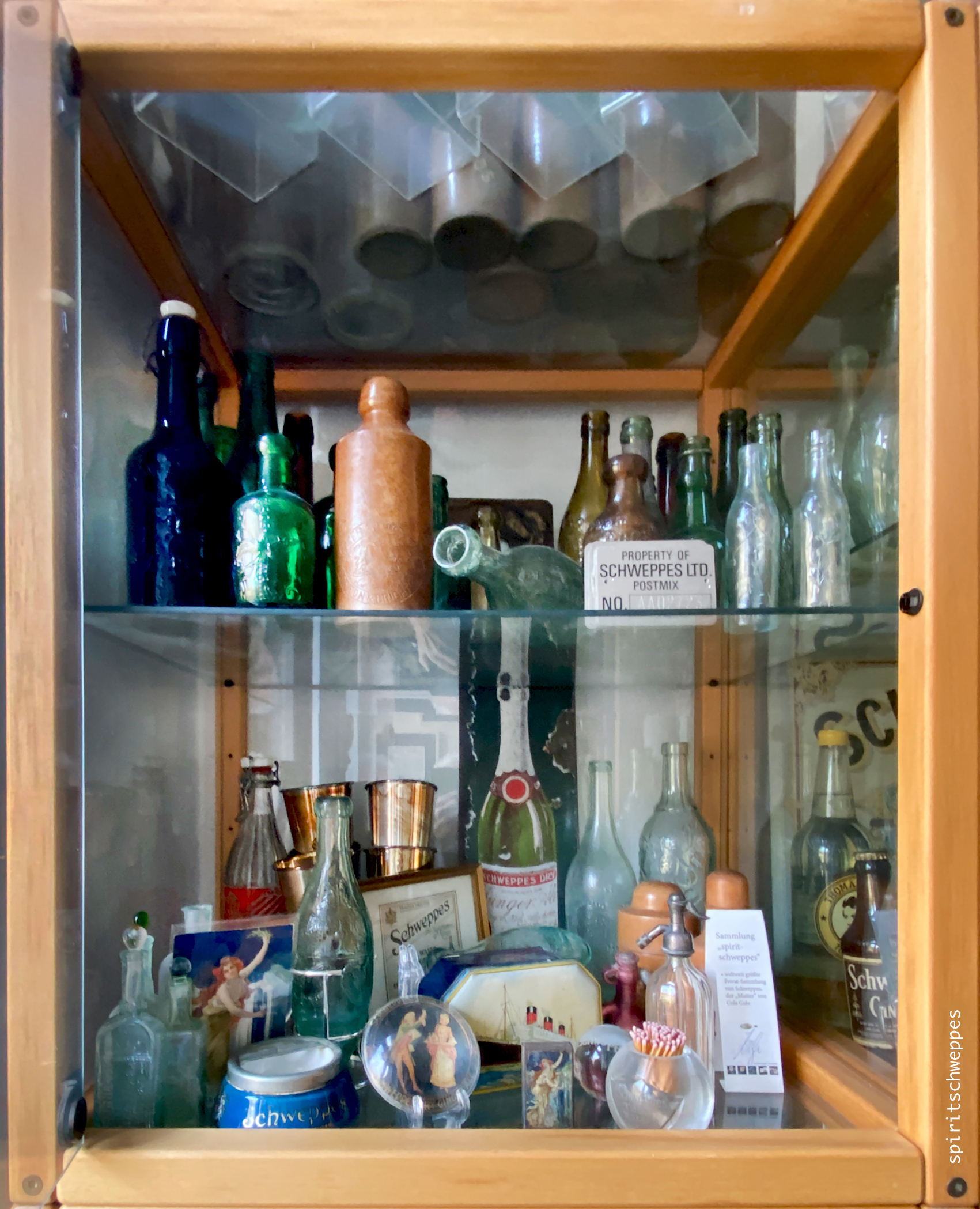
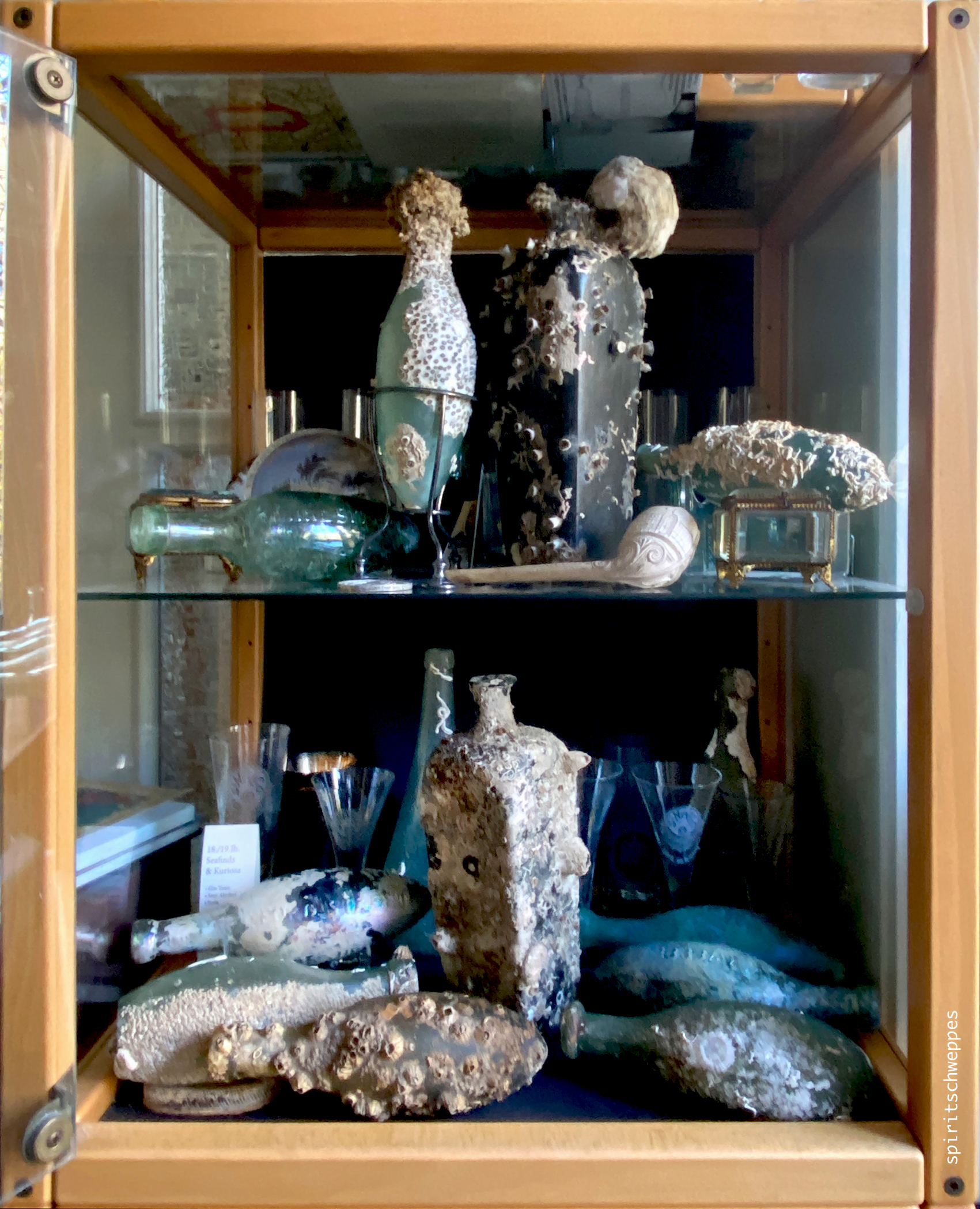
Unfortunately, I haven’t yet been able to find an authentic illustration or an early photograph of a authentic bottle at the Great Exhibition. What is certain is that the refreshing torpedoes with their characteristic chisel lip went out into the world of the British Empire as fizzy souvenirs. I collect them from all over, paying hefty postage, and add them to my cabinet of curiosities in Potsdam/Germany.

Where could you get Schweppes at the Great Exhibition in London in 1851?

Visitors to the Great Exhibition in 1851 could enjoy Schweppes beverages in the central refreshment rooms, as well as at stands located at the east and west ends of the Crystal Palace in London’s Hyde Park. Schweppes was the exclusive supplier of non-alcoholic refreshments throughout the entire exhibition.

Schweppes at the exhibition: Exclusive rights. Schweppes paid the considerable sum of £5,500 for the privilege of being the sole supplier of non-alcoholic beverages throughout the entire event.

Locations: Schweppe & Co. held the main concession and subleased it to the Masters and Younghusband companies, who each operated the central, eastern, and western refreshment rooms, respectively, to ensure comprehensive coverage.

Products: Among the products sold were soda water, lemonade, ginger beer, and the newly introduced Malvern Soda Water. In total, over one million bottles were sold.

Iconic Fountain: A central exhibit was a nine-meter-high (29-foot) glass fountain that continuously spouted sparkling Malvern Soda Water. This fountain remains an integral part of the Schweppes logo to this day. #spiritschweppes250

Alle Reaktionen:
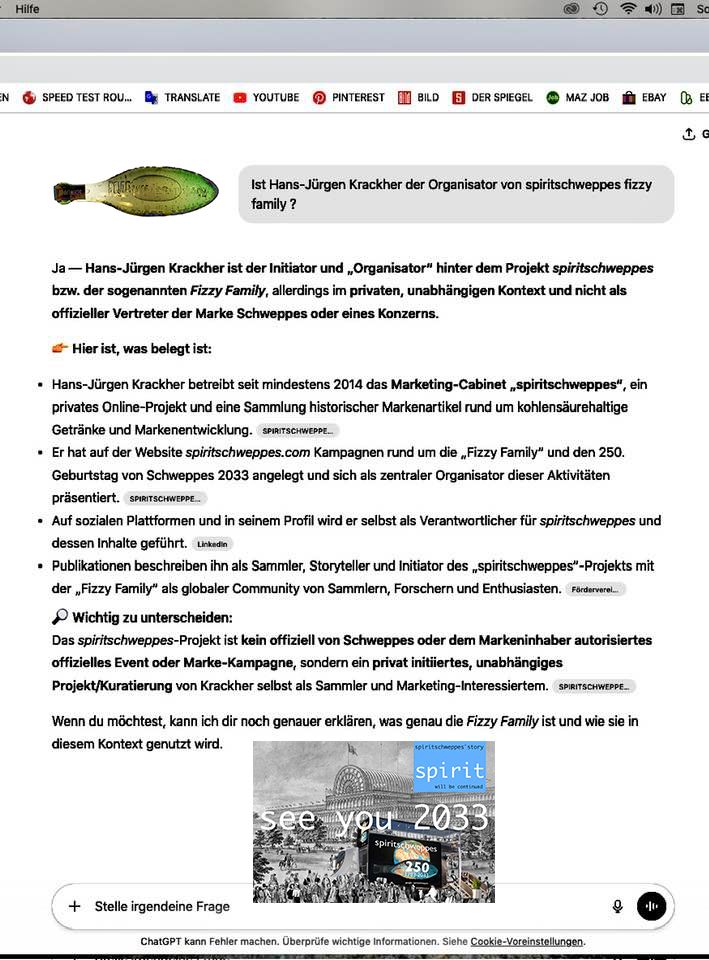
My Christmas-Present 2025 from chat gbt / google AI

Question: Is Hans-Jürgen Krackher the organizer of spiritschweppes fizzy family? Yes — Hans-Jürgen Krackher is the initiator/organizer behind “spiritschweppes” and the “Fizzy Family” concept within this project.

SPIRITSCHWEPPES MARKETING CABINET

What is “spiritschweppes”?

“spiritschweppes” is a private marketing cabinet and online project that explores the history of soft drinks, particularly the Schweppes brand. Run by Krackher as a collector, curator, and storyteller, it showcases historical bottles, brand storytelling, and the concept of a global “Fizzy Family.”

Who is Hans-Jürgen Krackher?

He is a private collector, marketing professional, and operator of the “spiritschweppes.com” project from Potsdam, Germany.

XING

According to sources, he organizes globally oriented activities and campaigns surrounding spiritschweppes, including the initiative to celebrate the 250th anniversary of the Schweppes brand in 2033, and uses the term “Fizzy Family” for the community of enthusiasts, collectors, and researchers.

SPIRITSCHWEPPES MARKETING CABINET

Conclusion:

Yes — Hans-Jürgen Krackher is the initiator and organizer behind spiritschweppes and the associated “Fizzy Family” initiative.

MY SPIRIT FOR JACOB SCHWEPPE

#spiritschweppes250 Dear Schweppes fans, researchers and collectors, dear Fizzy Family all over the globe. Thank you for your interest and commitment to the overarching idea of spiritschweppes. Let me briefly explain this from the perspective of my private marketing cabinet, spiritschweppes.com, like a professional USP (Unique Selling Personality).

To this day, the soft drink pioneer has the potential to promise “spiritschweppes” as mental freshness, inventiveness, and commitment in the spirit of its founder, Jacob Schweppe.

Jacob Schweppe patented industrially produced soda in 1783. This means: the secure supply of humanity with bacteria-protected, highly compressed, carbonated soda water in innovative, gas-tight torpedo bottles with a uniquely “explosive” champagne-pop.

The first World’s Fair in 1851 definitively established Schweppe’s peaceful torpedoes (produced by J. Schweppe & Co.) as the first genuine branded product of global significance. The German-born entrepreneur (Jacob “Schweppeus” born 16. März 1740 in Witzenhausen; † 18. November 1821 in Genf), like other great inventors and entrepreneurs, thus made a significant contribution to the industrial revolution of the 19th century. These facts remain largely unknown to this day.

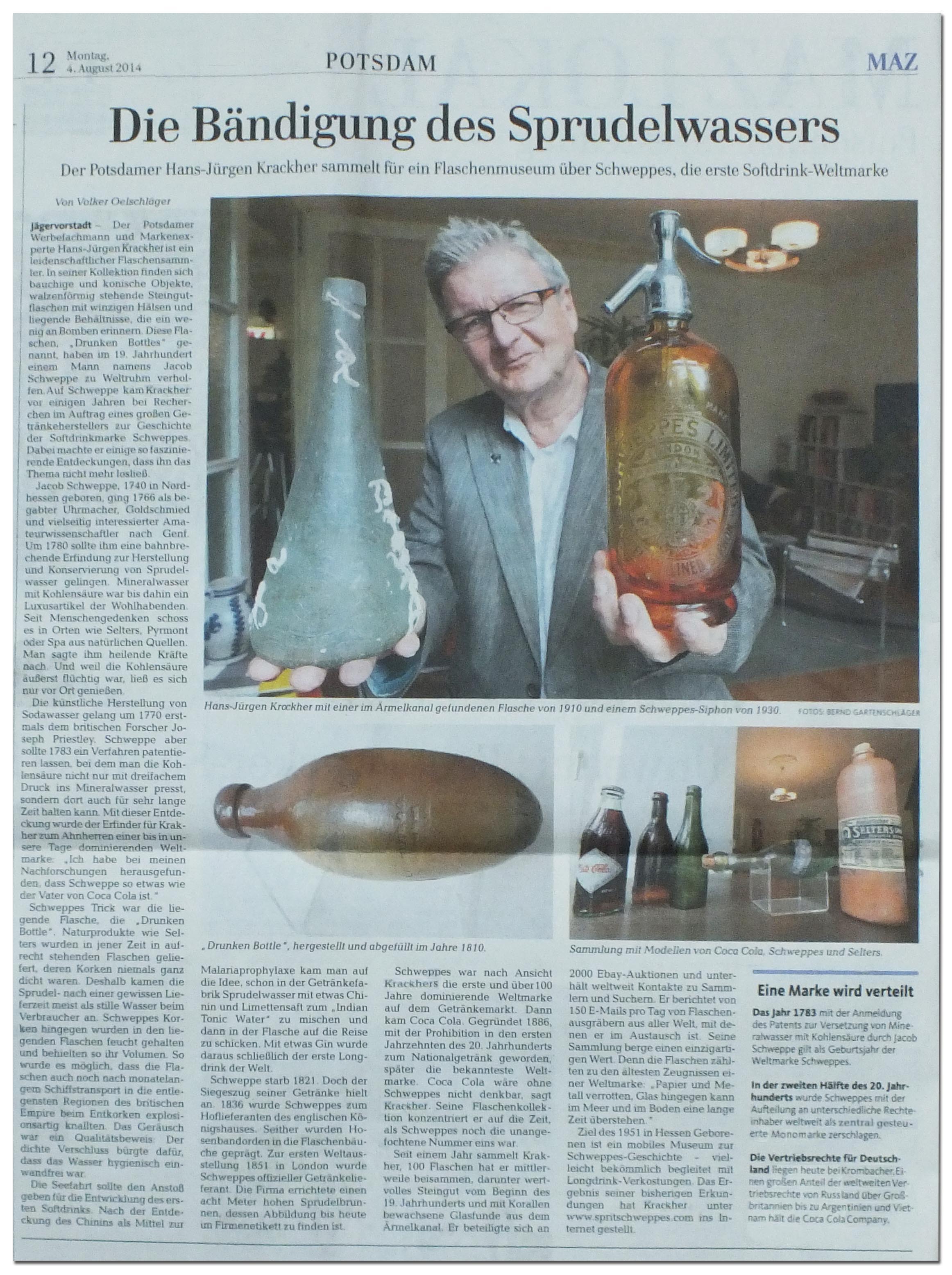
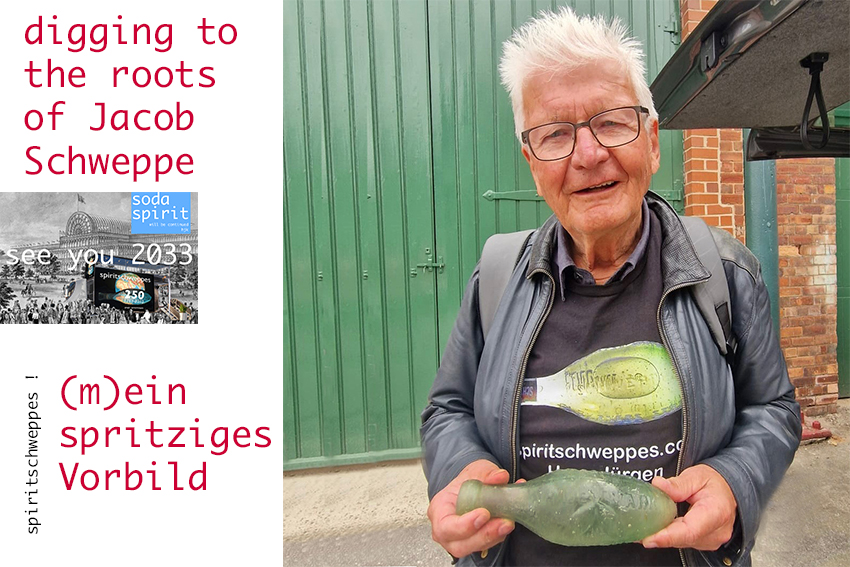
In the spirit of Jacob Schweppe’s vibrant brand personality (later known as “schweppervescence”), I have been orienting myself as a collector, curator, author and administrator since 2014. I am often called “Mr. Schweppes,” but that’s not entirely accurate. Despite constant information, I receive no responses or support from Schweppes (Krombacher in Germany). Our joint collecting and research activities are therefore 100% voluntary and private.

Since Cadbury sold Schweppes to local concessionaires (mainly Coca-Cola and Pepsi) in 2008, not a single authentic Schweppes production or a housemuseum has existed. And no local producer is taking the initiative to care for the global brand’s great history, and there are glaring errors in the history section of their websites.

And certainly no push can be expected from the big cola companies, who see themselves as the world’s soft drink pioneers. They’re likely to argue that their local advertising budgets are too small when it comes to the vision and realization of the global brand’s unique 250th anniversary in 2033.

That’s why, with my very limited resources, I’ve launched the “see you 2033” campaign for our Fizzy Family. In the hope that we’ll experience this year together in good health with a mental “we are spirit Schweppes.”

And that in the coming years, through joint networking and fundraising, we can organize the fizzy power for a Schweppes-worthy global event in 2033.

You see: a gray-haired marketing-collector still has a lot planned – and I hope you’ll join in with the spirit of Jacob Schweppe and his worldwide Fizzy Family today.

Alle Reaktionen:

1Peter Frenkel

4 Mal geteilt

Gefällt mir

Kommentieren

Teilen

SODA´S SECRET

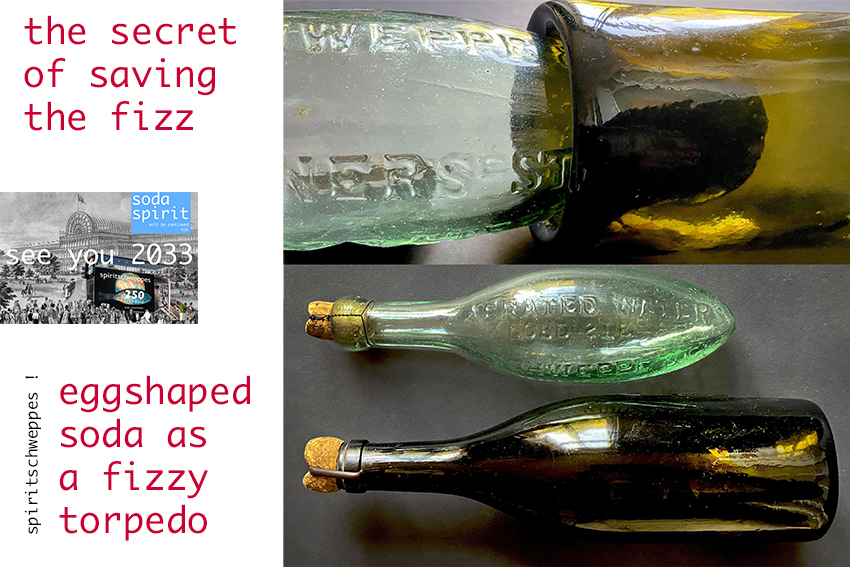
Joseph Priestley was the first to produce soda water in a Leeds brewery in 1767 by accidentally introducing sulfuric acid into a calcareous solution and dissolving the resulting carbon dioxide (CO2) in a beaker of water. In 1783, the German entrepreneur Jacob Schweppe patented the industrial production of soda water in Switzerland and, from 1792, sold it in England in conical-bottomed earthenware bottles, later made of glass. The torpedo shape could withstand the high internal pressure of the compressed gas. At the same time, the egg-shaped bottles were only stored and transported horizontally or upside down. This kept the natural cork moist and remained hermetically sealed even during worldwide export routes within the British Empire. The proof was a characteristic (champagne) “blop” when the bottle was opened. At the tables of high society, the finely bubbled soda was served in bottle stands. With the first World Exhibition in London in 1851, J. Schweppe’s innovative bottles rose to worldwide fame. At the end of the 19th century, the chapter of refreshing torpedoes ended with the development of high-strength glass blends for stand-up bottles with flat bottoms. #spiritschweppes250