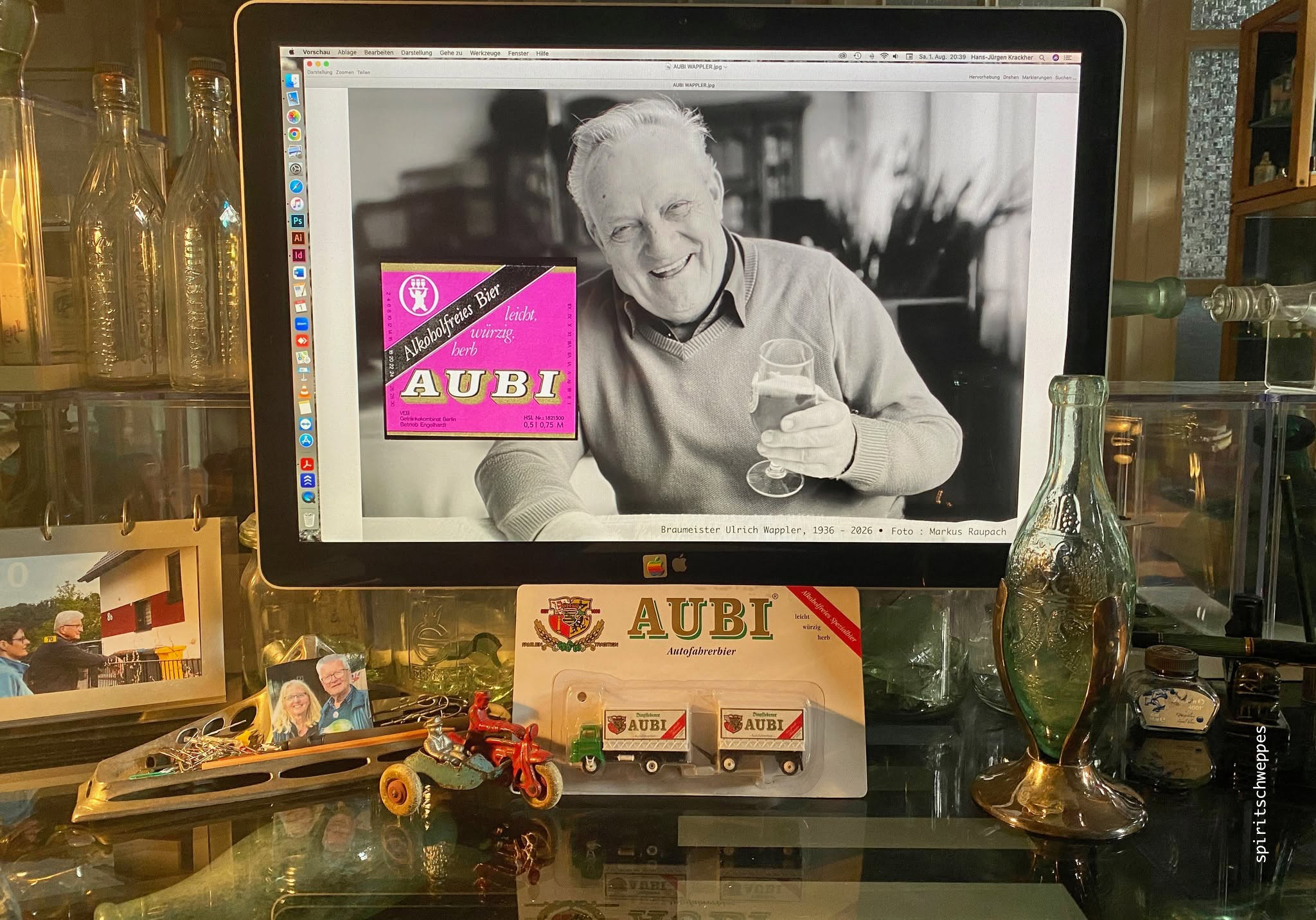
Ulrich Wappler (1936–2026). Long live the MASTER BREWER who invented his non-alcoholic beer in Berlin in 1972. Read more in the spiritschweppes marketing cabinet.
https://www.linkedin.com/…/deutscher-brauer-bund-e…/…
marketingcabinet.com
Ulrich Wappler (1936–2026). Long live the MASTER BREWER who invented his non-alcoholic beer in Berlin in 1972. Read more in the spiritschweppes marketing cabinet.
https://www.linkedin.com/…/deutscher-brauer-bund-e…/…

Bottles from the British Empire—exclusive storytellers in the spiritschweppes´WUNDERKAMMER—line up around the German “Wichtel” (gnome). Here, you’ll find more refreshing tales about Spa and Selters, the closest relatives of Coca-Cola. http://www.hjktext.de
Hier gräbt ein digitaler Digger nach Marken im Müll des 19. Jahrhunderts.
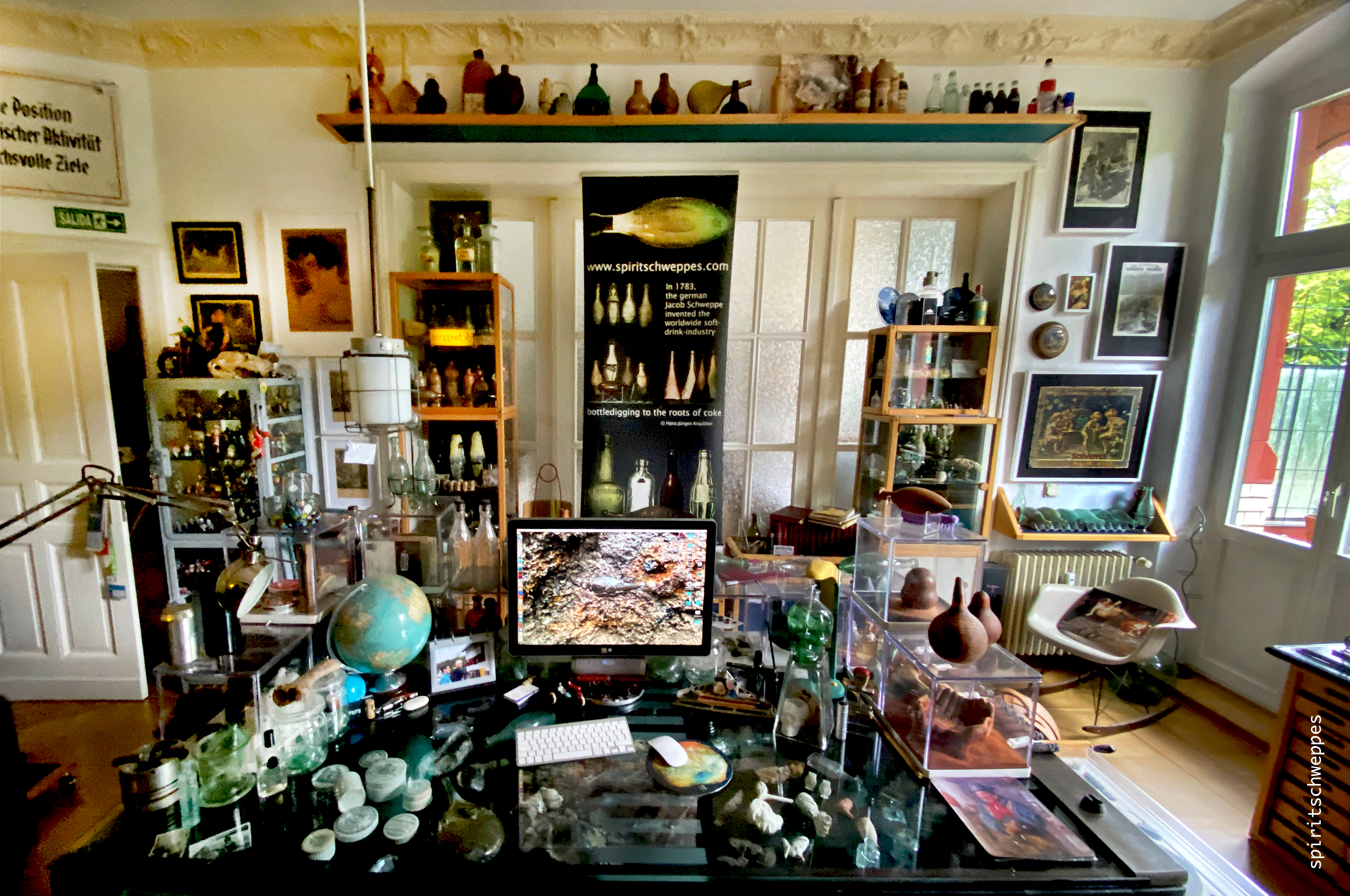
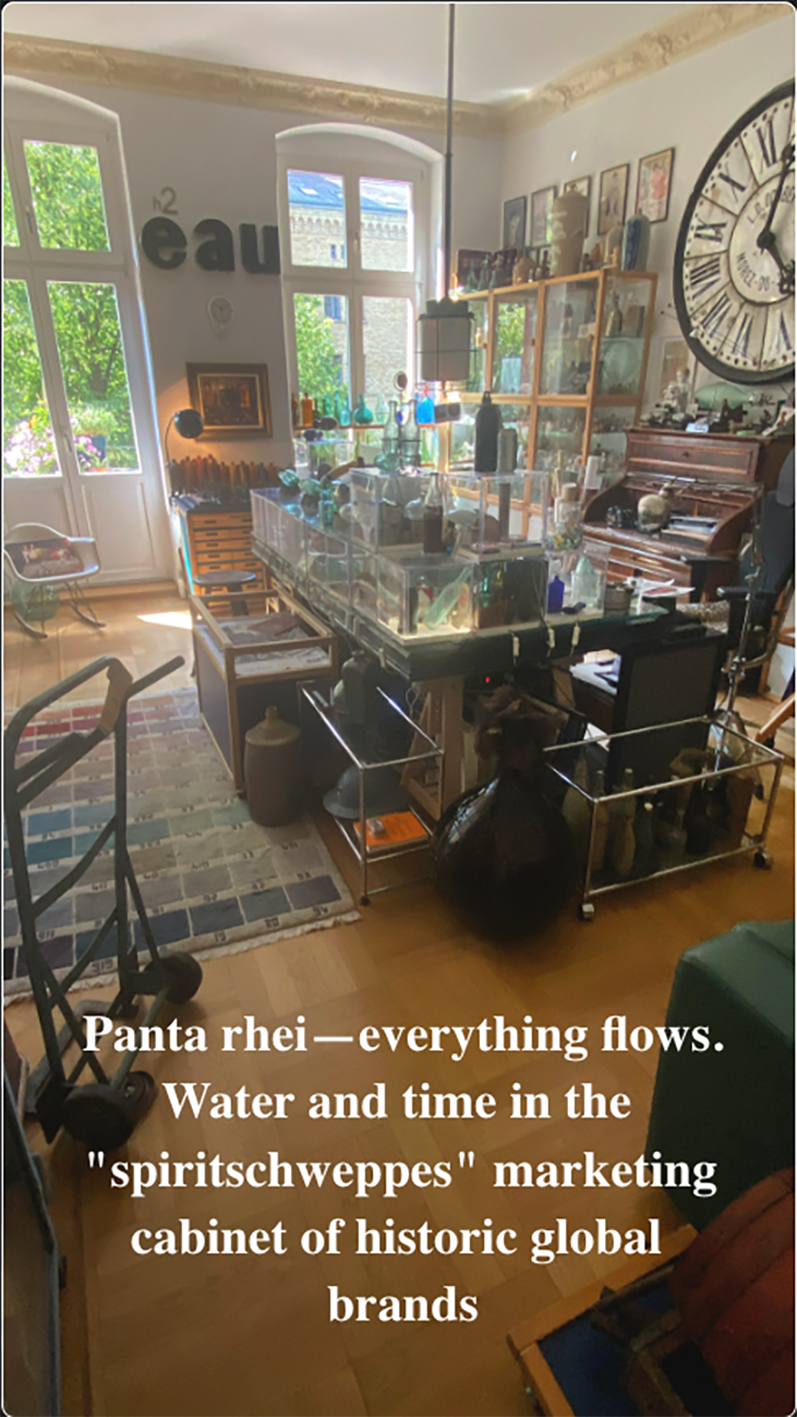
Die Funde sind Raritäten und zukünftige Antiquitäten aus dem globalen Müll der Wegwerfgesellschaft. (Dank an Charles Kripgans für seinen authentischen Dig on Screen). Als Marketingcabinet dient ein Schaudepot, es bietet historische Markentechnik und Produktdesign zum Begreifen. Dahinter steht das gesammelte Wissen von Ausgräbern, Sondengängern und Sammlern aus aller Welt. Schwerpunkte der Sammlung sind deutsche Weltmarken-Macher: Maria Farina von 1709, Faber Castell von 1761, Jacob Schweppe von 1783, Heinrich Nestle von 1867.
Das marketingcabinet spricht Schüler, Betriebswirtschaftler, Rotarier oder Historiker gleichermaßen an. Denn verblüffend ist: Kein anderes Produkt erzählt die Geschichte des Markenartikels plausibler als das Trinkwasser. Es ist für jeden unverzichtbar, ohne Verpackung zerfliesst es in den Händen, ohne Logistik ist es nicht verfügbar, erst ein Mehrwert macht es konkurrenzfähig. Coca Cola, ein Wasser mit Wirkung, wurde nicht umsonst zur bekanntesten Marke der Welt – bis Apple kam. Die Einladung gilt für alle. http://www.hjktext.de

spiritschweppes´ Fizzy Family is keeping their fingers crossed… https://uk.pinterest.com/spirit…/the-spirit-of-eggbottles/

People drank it. People smelled it. And people still pay a high price for it today: Aqua Mirabilis. Aqua mirabilis (Latin for “miracle water,” French Eau admirable) is a historical, general term for alcoholic waters containing a wide variety of ingredients; these have been used since the 17th century for medicinal, cosmetic, or perfumery purposes. They encompass various elixirs that gave rise to, among other things, the world-famous Eau de Cologne. Originally, the formulas were used as medicinal tinctures to treat ailments such as fainting, colic, toothache, and even the plague. The base generally consisted of pure alcohol in which essential oils from citrus fruits (such as oranges and lemons) and herbs like rosemary and lavender were dissolved. Initially, these waters were both applied externally and consumed as a medicinal remedy. Famous perfumers such as Johann Paul Feminis and Johann Maria Farina employed this process in 18th-century Cologne to create an exceptionally fine, fresh-scented water. spiritschweppes’ “WUNDERKAMMER” explores the phenomenal refreshment for body and soul.


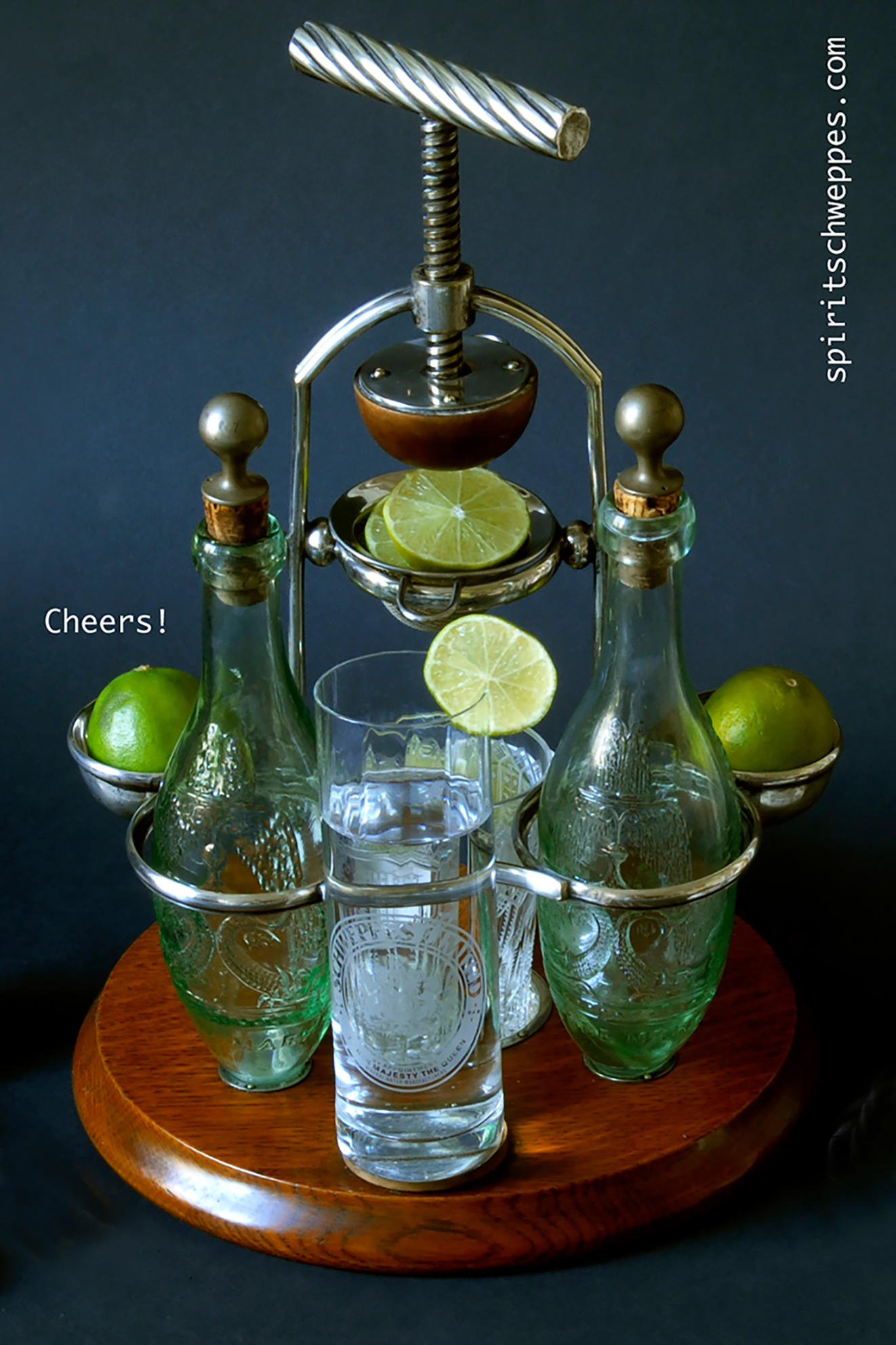

Torpedo bottles revolutionized global beverage culture in the 19th century. Only a thick-walled bottle with a pointed base—utilizing the reverse principle of the concave punt found in Champagne bottles—could withstand the high pressure of artificial carbonation during worldwide transport. Even after months-long sailing voyages, a magnificent “Champagne pop” would ring out when the cork flew from the bottle at its destination. Because the torpedo bottle could not stand upright, the cork remained moist, effectively sealing the bottle’s neck.
Following the Great Exhibition of 1851 in London, Jacob Schweppe & Co.’s innovative bottles traveled the globe as “peaceful torpedoes.” The year 2033 will mark the 250th anniversary of this global brand with German roots.However, advances in glass technology led to a relatively short lifespan for torpedo bottles. By the end of the 19th century, round-bellied “Soda Dumpys” with flat bottoms were already refreshing the beverage industry.
Today, torpedo bottles—with their distinctive shape—are sought-after collector’s items worldwide. The Pinterest board https://uk.pinterest.com/spirit…/the-spirit-of-eggbottles/ showcases them as a “Fizzy Family,” featuring over 7,000 pins.
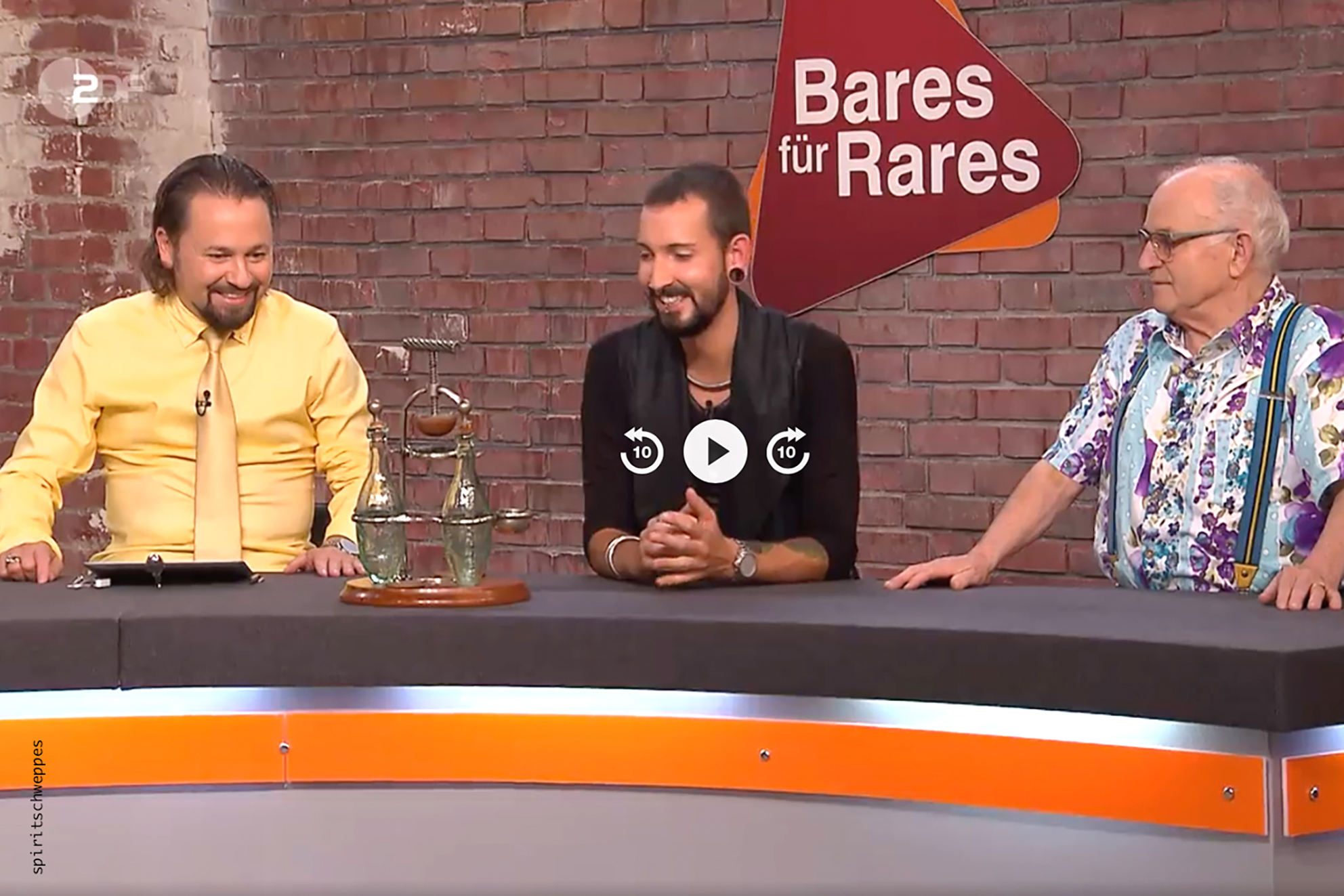
Torpedo-stations stand out as a highlight of 19th-century ambiance. At the center of Victorian bars and tables, the “Champagne-like” spirit of these torpedoes was uncorked and celebrated. Freshly squeezed lime juice perfected a soda experience that was, at the time, truly unprecedented. And the icing on the cake: a torpedo-station is so rare nowadays that even the experts from the renowned TV show *Bares für Rares* didn’t know what to make of this mysterious object. But Jacob Schweppe, looking down from above, took pity and gave the spontaneous tip; after extensive research and a few detours, a torpedo-station arrived safe and sound in the author’s marketing cabinet www.hjktext.de. Cheerzz, enjoy it!
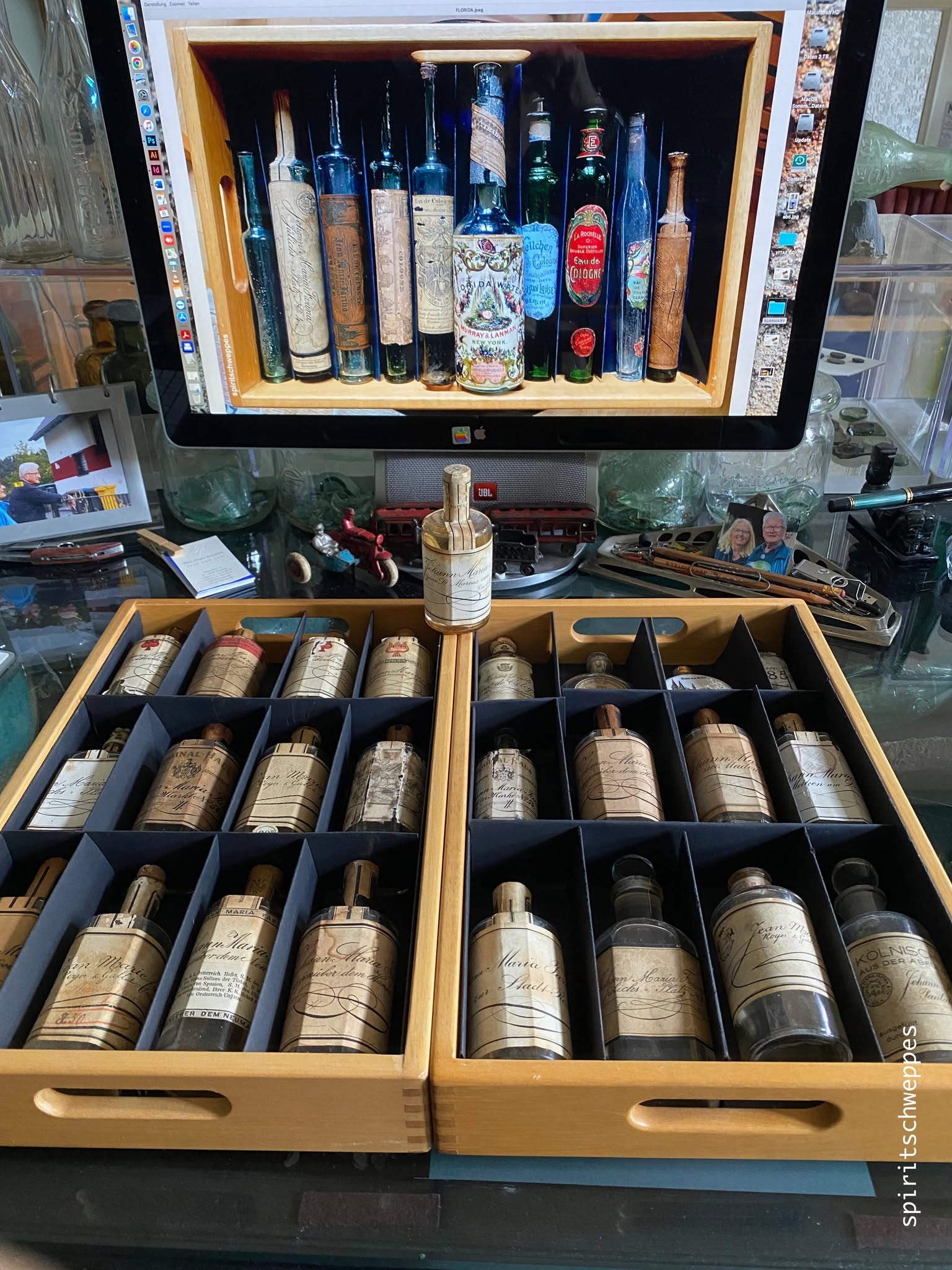
In 1709, in Cologne, Maria Farina signed his perfume with his name and address on a paper label, thereby laying the foundation for Eau de Cologne. His success spawned a long line of imitations; trademark and patent laws did not emerge until the late 19th century. You can smell these historical fakes in my “Marketing Cabinet.”
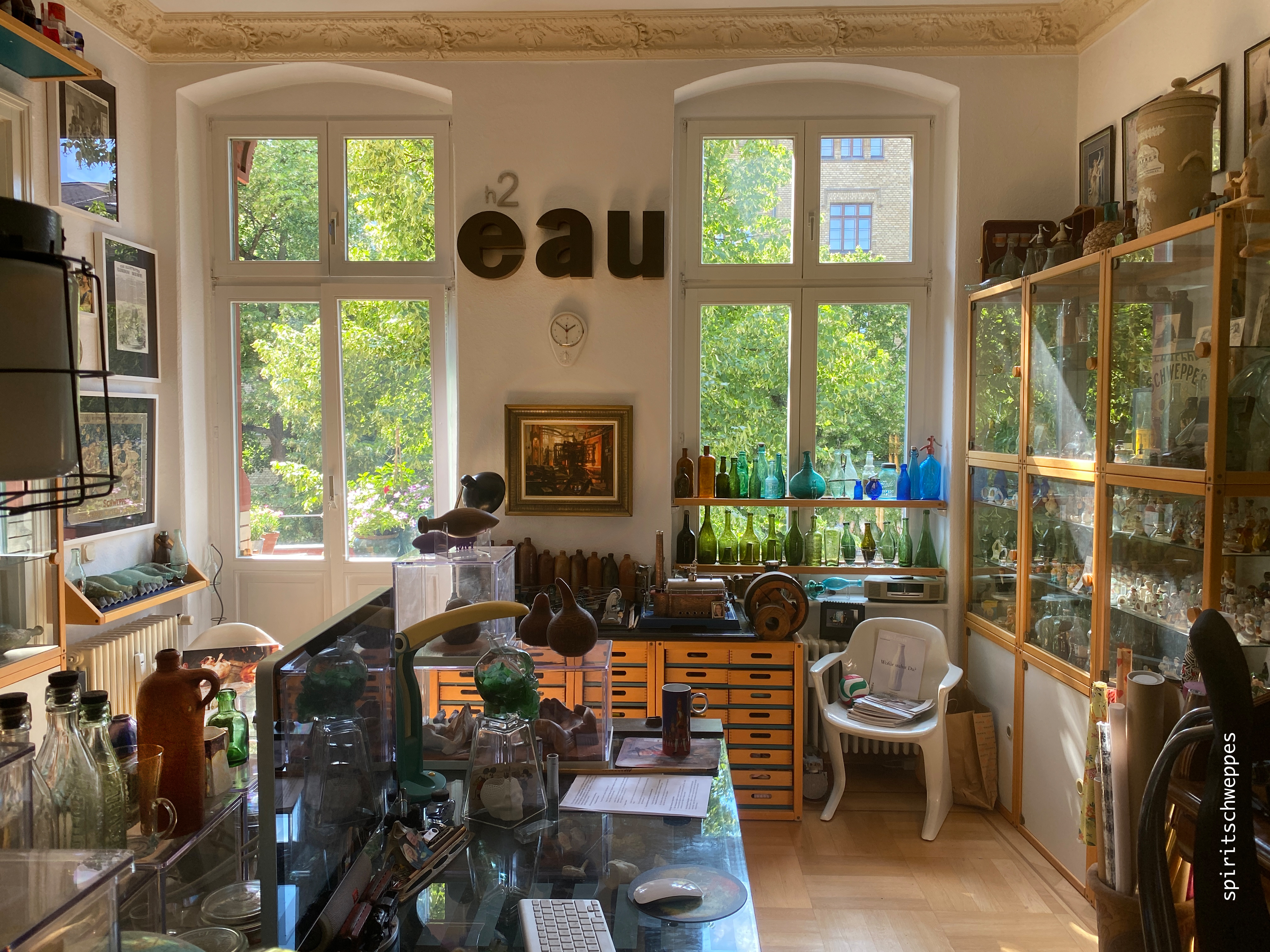
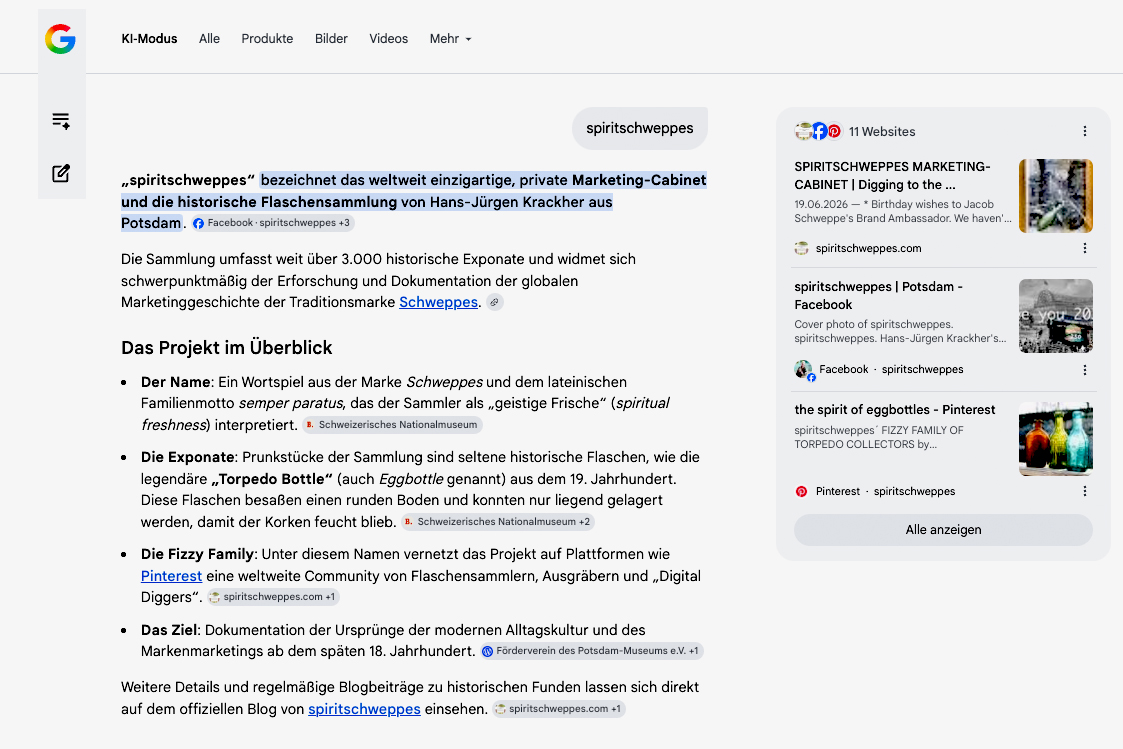
“spiritschweppes” refers to the unique private marketing archive and historical bottle collection belonging to Hans-Jürgen Krackher from Potsdam. The collection comprises well over 3,000 historical items and focuses on researching and documenting the global marketing history of the heritage brand Schweppes. Project Overview
The Name: A play on words combining the Schweppes brand name with the Latin family motto semper paratus, which the collector interprets as “spiritual freshness.”
The Exhibits: Highlights of the collection include rare historical bottles, such as the legendary “Torpedo Bottle” (also known as the “Egg Bottle”) from the 19th century. These bottles featured a rounded base and had to be stored lying down to keep the cork moist.
The Fizzy Family: Under this name, the project connects a global community of bottle collectors, excavators, and “digital diggers” on platforms such as Pinterest.
The Goal: To document the origins of modern everyday culture and brand marketing from the late 18th century onwards.
Further details and regular blog posts about historical finds can be viewed directly on the official spiritschweppes blog and on the collector’s website, hjktext.de.

