

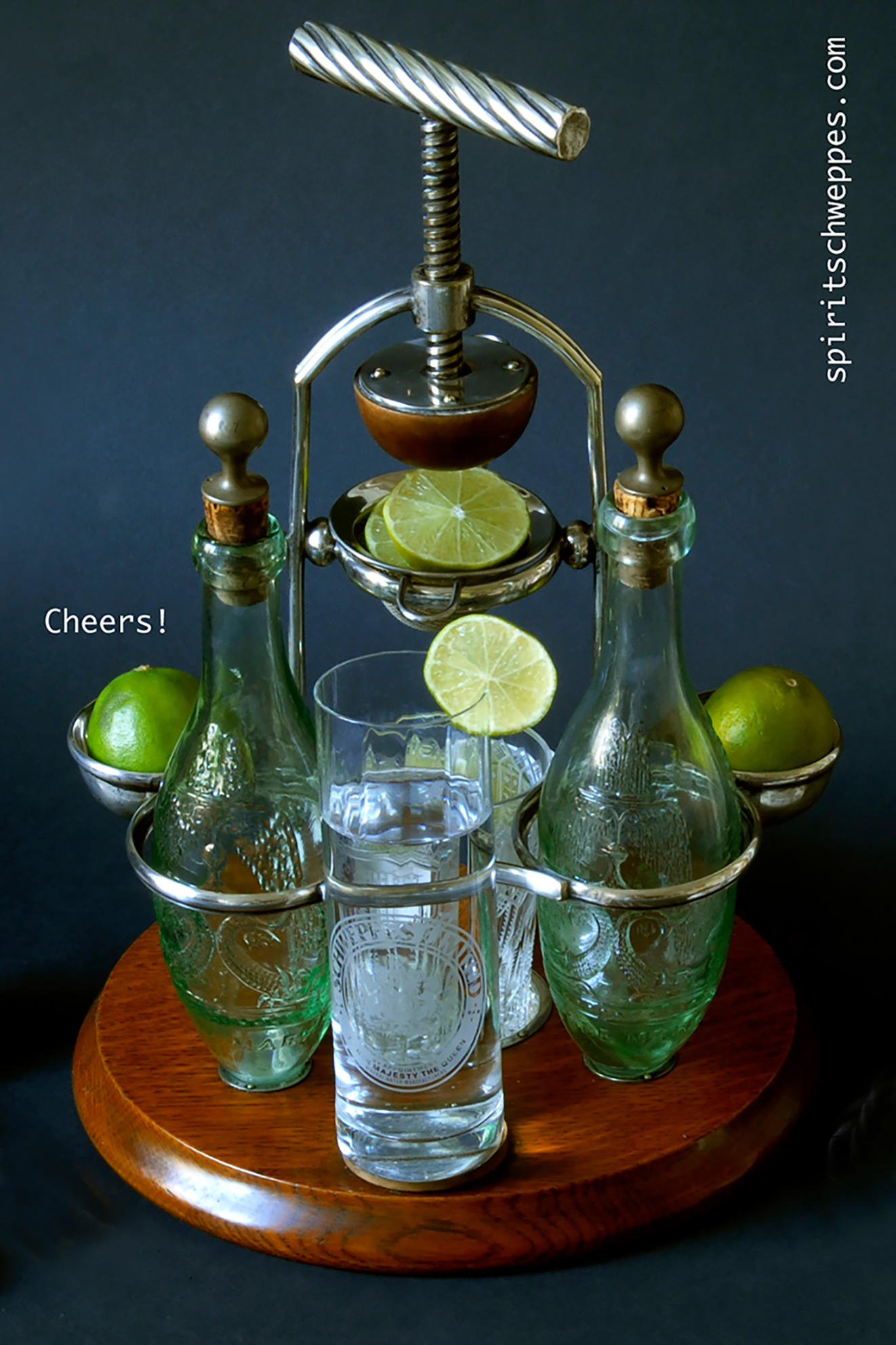

Torpedo bottles revolutionized global beverage culture in the 19th century. Only a thick-walled bottle with a pointed base—utilizing the reverse principle of the concave punt found in Champagne bottles—could withstand the high pressure of artificial carbonation during worldwide transport. Even after months-long sailing voyages, a magnificent “Champagne pop” would ring out when the cork flew from the bottle at its destination. Because the torpedo bottle could not stand upright, the cork remained moist, effectively sealing the bottle’s neck.
Following the Great Exhibition of 1851 in London, Jacob Schweppe & Co.’s innovative bottles traveled the globe as “peaceful torpedoes.” The year 2033 will mark the 250th anniversary of this global brand with German roots.However, advances in glass technology led to a relatively short lifespan for torpedo bottles. By the end of the 19th century, round-bellied “Soda Dumpys” with flat bottoms were already refreshing the beverage industry.
Today, torpedo bottles—with their distinctive shape—are sought-after collector’s items worldwide. The Pinterest board https://uk.pinterest.com/spirit…/the-spirit-of-eggbottles/ showcases them as a “Fizzy Family,” featuring over 7,000 pins.
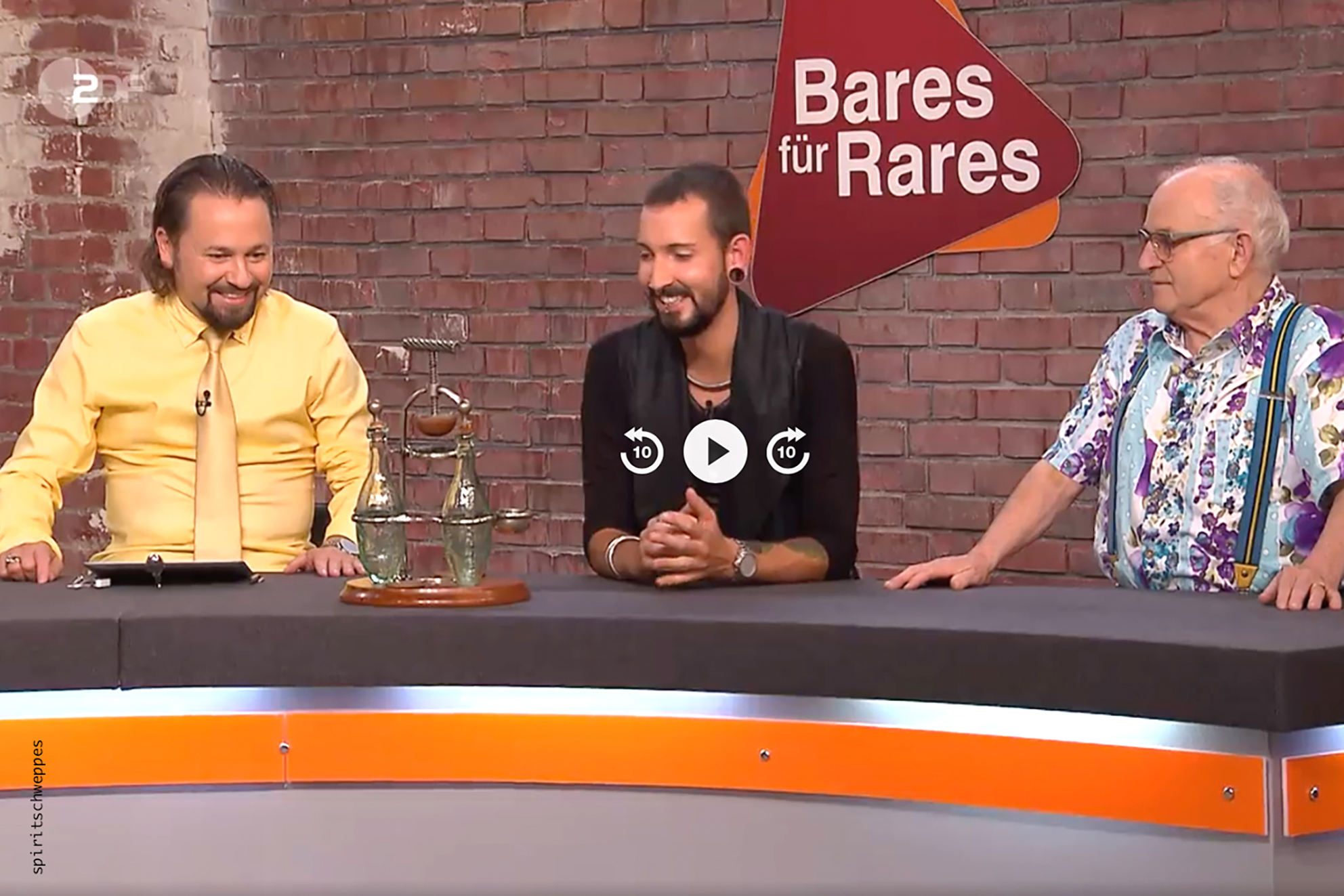
Torpedo-stations stand out as a highlight of 19th-century ambiance. At the center of Victorian bars and tables, the “Champagne-like” spirit of these torpedoes was uncorked and celebrated. Freshly squeezed lime juice perfected a soda experience that was, at the time, truly unprecedented. And the icing on the cake: a torpedo-station is so rare nowadays that even the experts from the renowned TV show *Bares für Rares* didn’t know what to make of this mysterious object. But Jacob Schweppe, looking down from above, took pity and gave the spontaneous tip; after extensive research and a few detours, a torpedo-station arrived safe and sound in the author’s marketing cabinet www.hjktext.de. Cheerzz, enjoy it!
 SPIRITSCHWEPPES MARKETING-CABINET